

Does Quartzite Need to Be Sealed? How to Test Your Slab
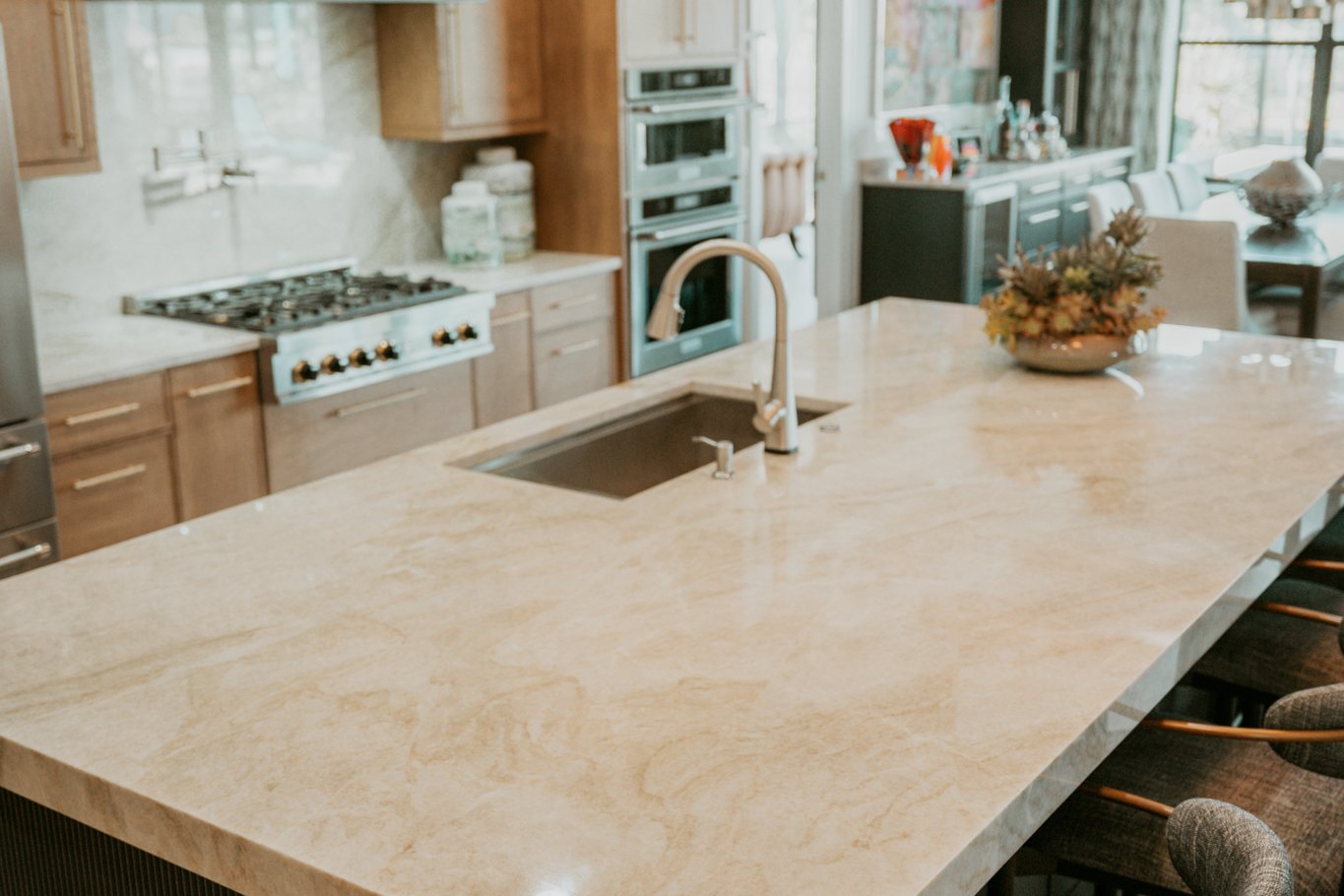
Does quartzite need to be sealed? In most cases, yes. We treat quartzite as a porous natural stone, and it’s usually sealed after installation and then again periodically. The catch is that stones sold as quartzite aren’t all the same, so some slabs need a sealer more often than others. A simple water test tells you where your counter stands, and we’ll walk you through it below.
Does Quartzite Need to Be Sealed? The Short Answer
Quartzite starts as sandstone. Heat and pressure over geologic time fuse the sand grains into a dense rock, and Geology.com’s quartzite page puts its hardness at about seven on the Mohs scale. Dense is not the same as sealed, though. Quartzite still takes in liquid to some degree, so a sealer is how you slow that down.
That puts quartzite in the same camp as the other natural stones we fabricate and install, and on the opposite side from quartz, porcelain and Dekton. Those three are non-porous and don’t need sealing, and Cambria goes further and says not to apply sealers to its quartz at all. Quartzite, granite and marble are the stones that get sealed.
What sealing does is limited, and it’s worth knowing before you rely on it. The Natural Stone Institute says a sealed stone is more resistant to everyday dirt and spills, and that is the promise: more resistant, not stain proof. Wiping up wine, oil and coffee soon still matters.
Why Quartzite Varies From Slab to Slab
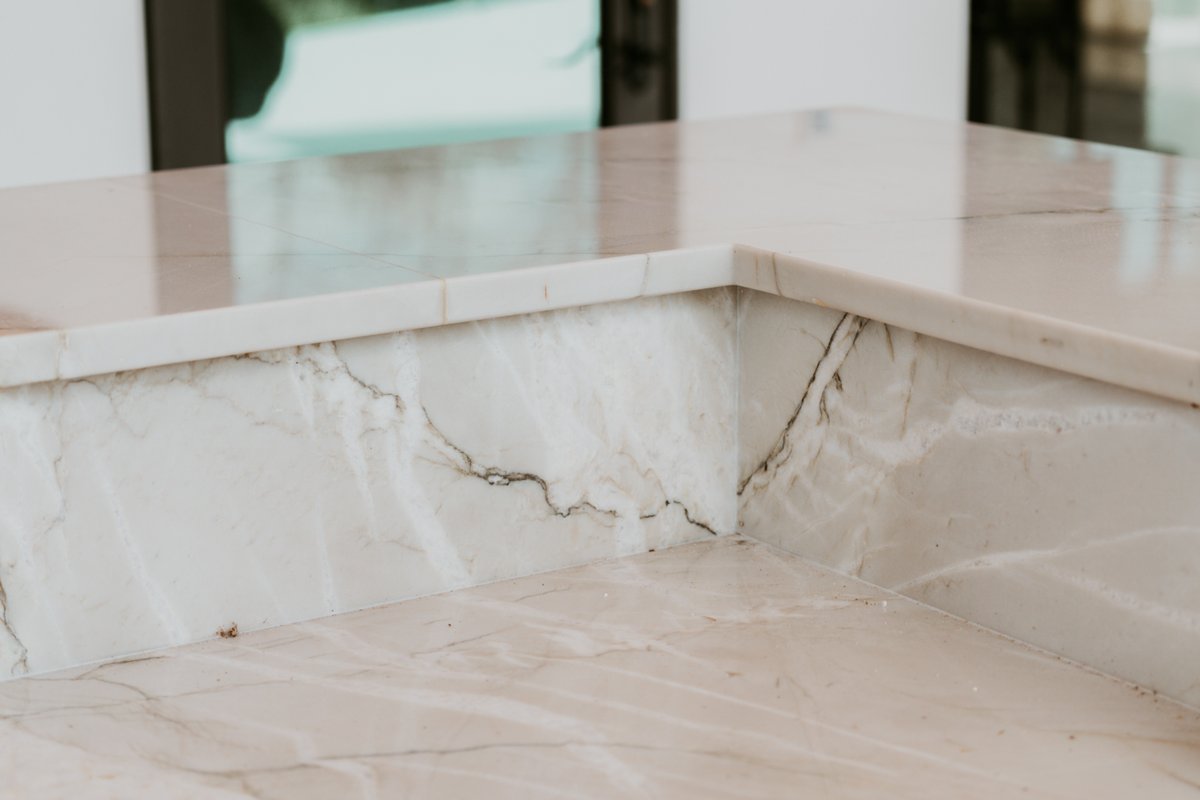
If you ask three people how often quartzite needs sealing, you’ll get three answers, and they may all be right for their own slab. Quartzite is quarried, not manufactured, so density and mineral makeup change from one stone to the next. A tight, dense slab may soak up very little. A slab with more open spaces between grains takes in liquid faster and benefits from sealing more often.
Finish and use change the picture as well. A honed surface looks and wears differently from a polished one, and a busy cooking counter meets more oil and acid than a bar top that sees the occasional drink. None of that is a reason to worry, and none of it means quartzite is a poor choice. It’s a reason to test your own stone instead of trusting a number from the internet, and to ask where your slab came from when you choose it.
The Water Test and Resealing in a Humid Climate
The five-minute water test
This is the check we recommend for any natural stone, and it takes about five minutes. Pick a spot on a clean, dry counter, away from the sink.
- Drop a few small beads of water on the surface.
- Leave them for a few minutes, without touching or wiping.
- Look at the stone. If the water beads up, your sealer is working.
- If the stone darkens and the water soaks in, it’s time for a fresh coat.
Set the beads where the counter works hardest, because that’s where a sealer wears first. Run the test on a few spots, because the area beside the cooktop and the area by the sink wear differently. Do it once soon after installation so you know what a sealed counter looks like, and again whenever the stone seems to be taking up spills. Our post on how often to seal granite countertops uses the same test, since the two stones follow the same idea.
How often to reseal
We won’t give you a fixed number of months, because no honest one exists. Sealing schedules depend on the slab, the sealer and how you use the counter. The sealer’s label is your first guide, and the water test is the second. If you want a view on your particular slab, ask us before you buy and we’ll tell you what we know about how it was classified and cared for.
Here’s what Southwest Florida changes about the routine:
- Humidity and wet counters. Water that pools around a faucet or a bar sink is the likeliest thing to reach the stone, so wipe it up and test those spots first.
- Cleaning products. Bleach and acidic disinfectants can wear down a sealer and dull a polish. Warm water with a pH-neutral stone cleaner handles daily wiping. Our post on how to clean quartzite countertops goes through the routine.
- Seasonal homes. If the home sits empty for months, run the water test when you come back and before you put the kitchen to heavy use.
- Covered outdoor kitchens. Quartzite works for covered outdoor kitchens, though some colors can fade in constant direct sun. The surface is more exposed there, so test it more often than an indoor counter.
Our quartzite countertops page covers the stone itself, and our quartzite in Southwest Florida guide looks at it in a regional light.
Stones Sold as Quartzite That Behave Differently
This is where most of the confusion about sealing comes from, and it’s worth a few minutes before you pick a slab. Demand for quartzite is high, and some stones sold under that name are really softer materials such as dolomite or marble. They can be beautiful, but they scratch, etch and absorb differently from true quartzite. If a counter marketed as quartzite stains easily or dulls near the lemon bowl, that’s often the reason.
Geology.com points out that the stone trade uses names loosely. It notes that some quartzite is sold as “granite,” because the trade applies that name to many hard rocks. A name on a sample tag doesn’t prove what a slab is.
What to ask before you buy
A good showroom conversation covers three things, and you’re welcome to bring these to ours.
- How was this slab classified, and who classified it?
- Does it resist etching from lemon juice or vinegar, or does it dull?
- What sealer do you recommend, and what does the label say about reapplying it?
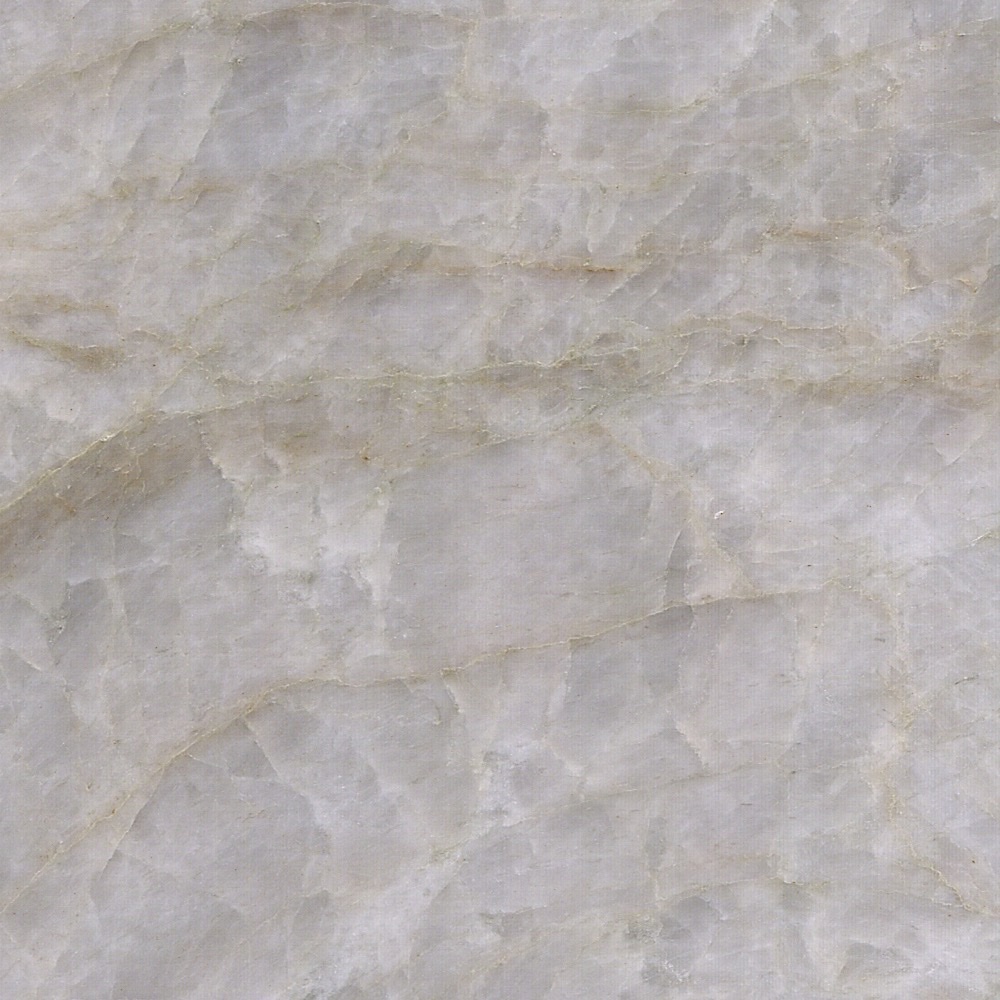
It also helps to see the famous names clearly. The creamy, golden-veined stone people call Taj Mahal is a natural quartzite, and our post on Taj Mahal quartzite countertops shows what to look for. Even among true quartzites, slabs differ, so the water test stays your best tool.
One more habit helps: keep the sealer’s name and the date you applied it somewhere handy, like a note inside the cabinet under the sink. When you test the stone next year, you’ll know what product is on it and how long it has been there, and that makes it much easier to decide what to do next.
If you are in Cape Coral and comparing options, our Cape Coral countertops page explains how we serve that area.
Frequently Asked Questions
How often should quartzite be resealed?
There’s no single schedule. Quartzite is typically sealed after installation and again periodically, and the right timing depends on the slab and the sealer. Follow the sealer’s label and use the water test to see when the stone is ready.
Why do some quartzite slabs stain?
Usually because the sealer has worn off, the slab is more porous than most, or the stone is a softer look-alike such as dolomite sold under the quartzite name. Wipe spills quickly and test the surface.
Can sealer change the look of quartzite?
Some sealers can deepen the color of a stone a little. Try the product on a small hidden spot first, read its label, and ask us about the one you plan to use.
Is dolomite sold as quartzite?
Sometimes. Dolomite is softer and sits between marble and quartzite in hardness, so it behaves differently. Ask how a slab was classified before you commit.
Not sure what your slab needs? Call (239) 362-0404 and tell us which stone you have, or request an estimate if you’re choosing a quartzite and want to compare slabs in person.