
Waterfall Countertops: Stone Choices, Seams and Island Planning
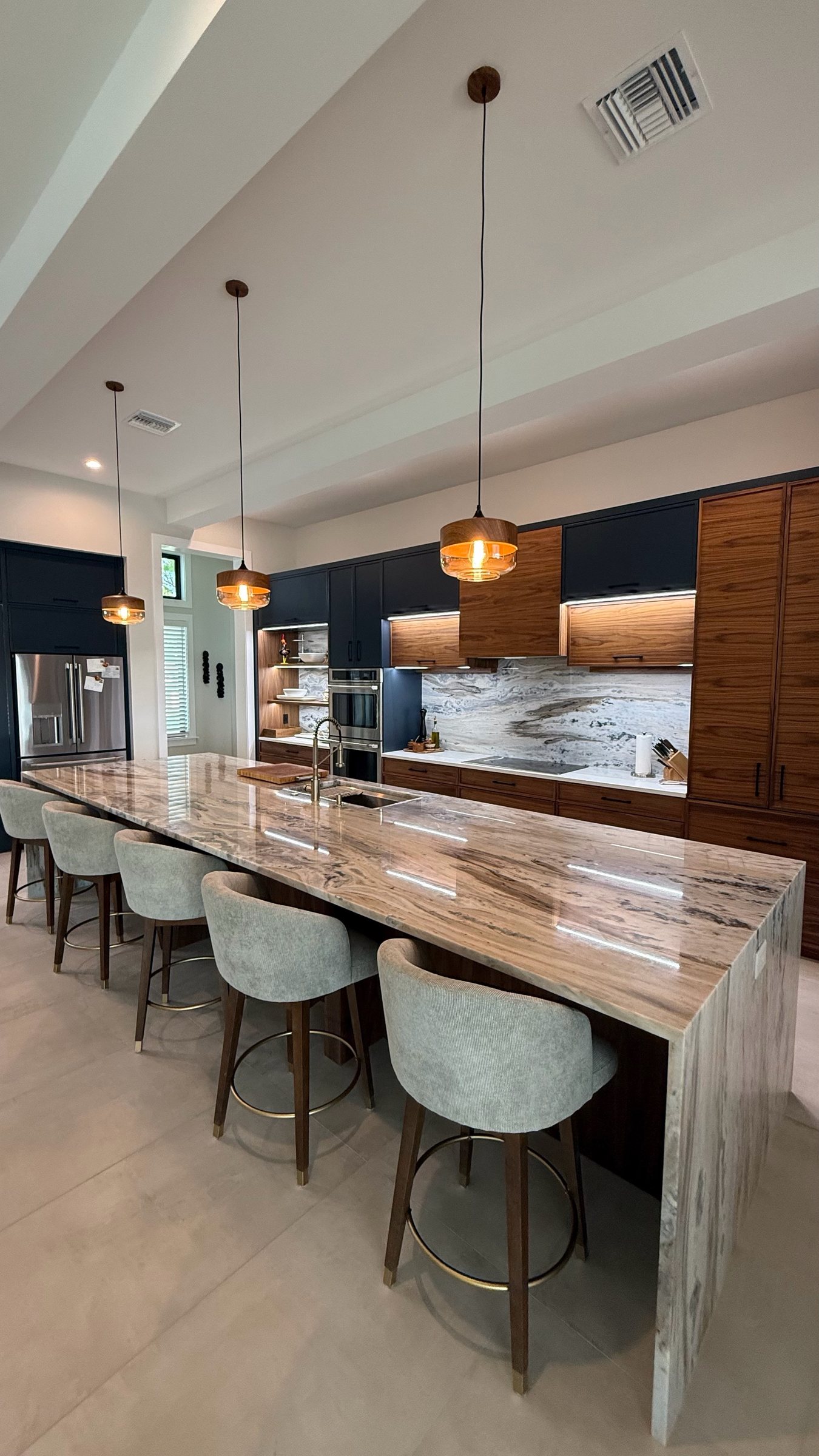
A waterfall countertop carries the stone from the top of your island down the side, all the way to the floor, so the slab looks like one continuous piece. It’s a bold look, and it works best when the stone, the island size and the pattern are planned together before anything is cut. Whether it’s right for you comes down to your stone, your layout and how you use the island.
Here’s how a waterfall edge is built, which materials suit it, how we plan veining and seams, and how to decide if it’s worth it for your kitchen.
What a Waterfall Countertop Is
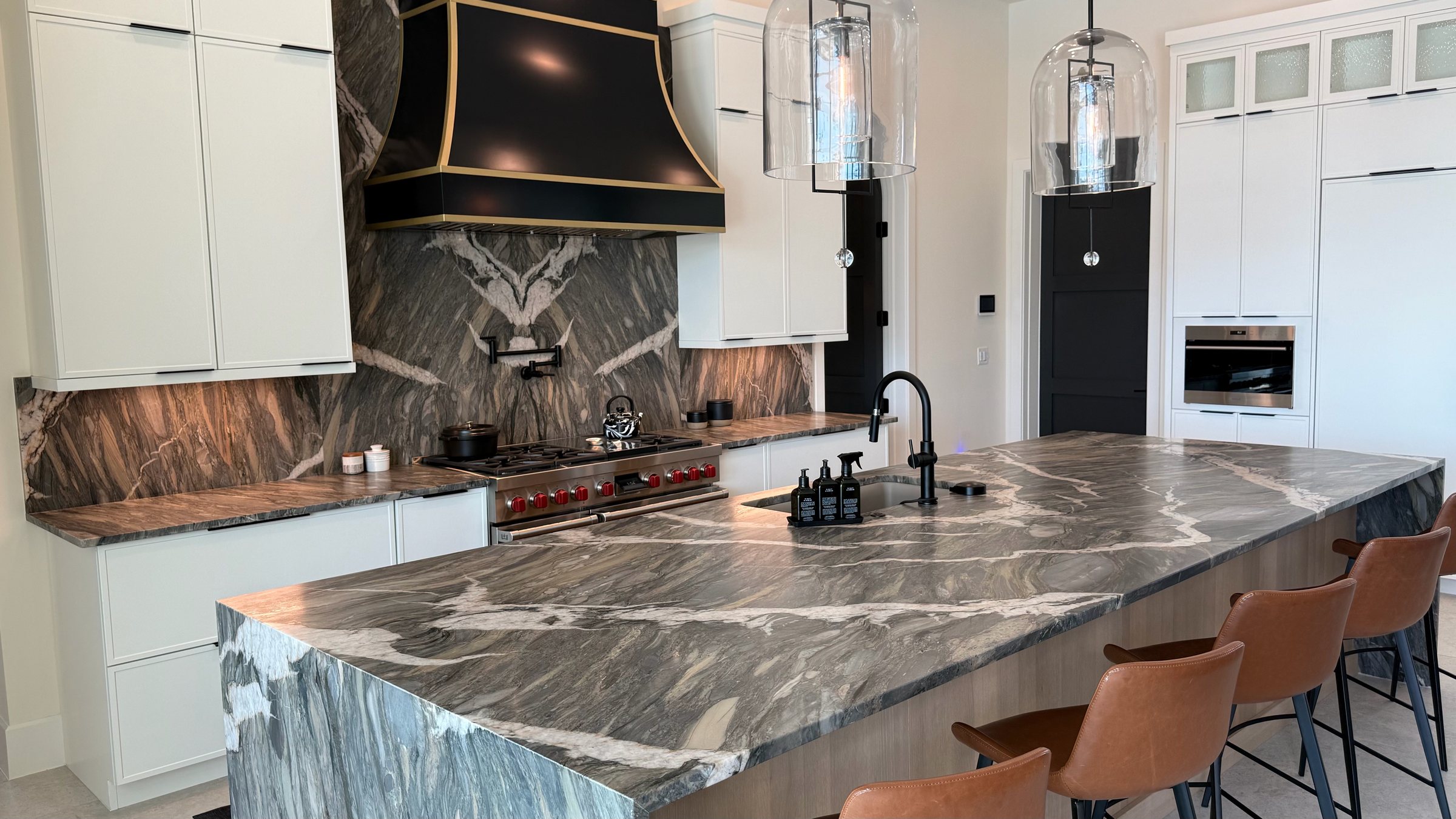
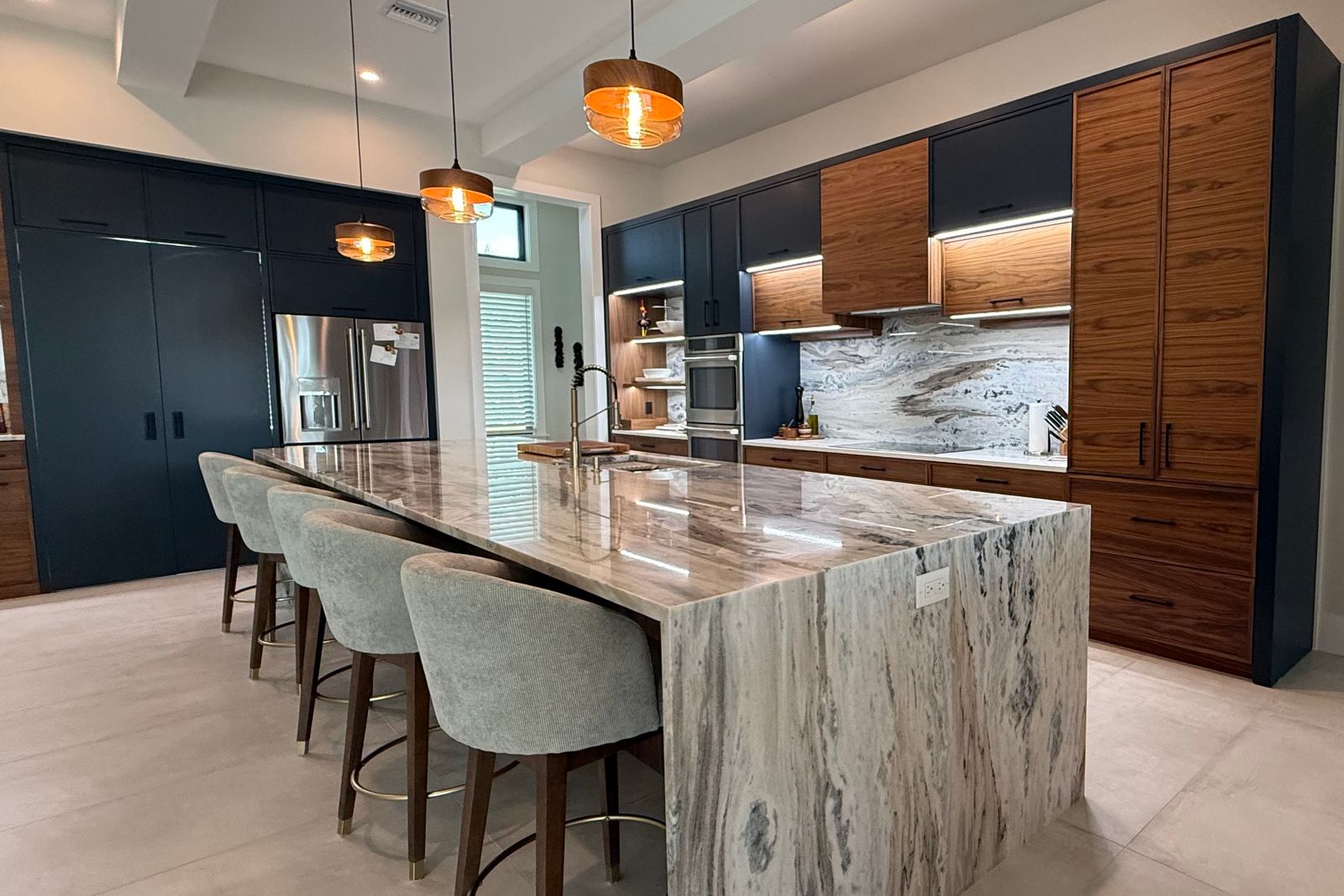
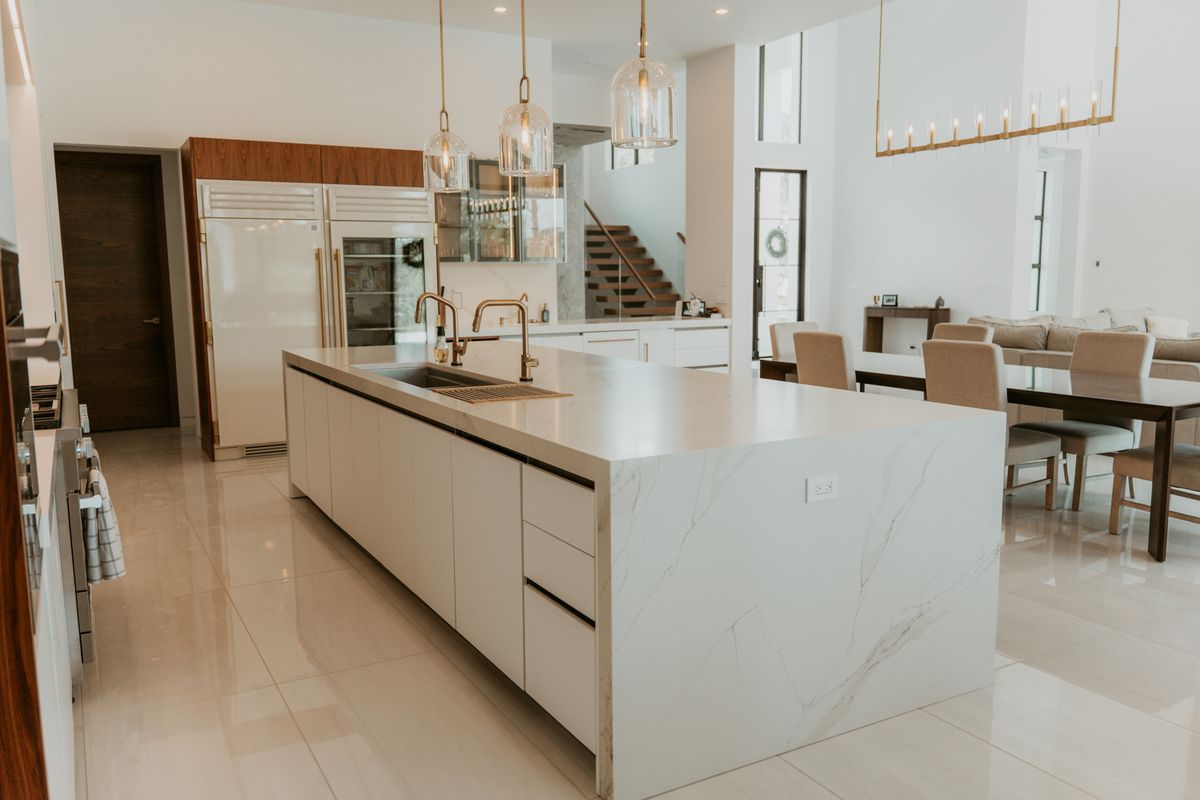
On a standard island, the top ends at an edge and the cabinet side stays exposed. With a waterfall, a panel of the same stone runs down one or both ends of the island. Done well, the top and the panel read as a single piece of stone that bends around the corner.
How the corner is made
The top and the end panel are cut as separate pieces and joined at the corner, usually with each edge cut at an angle so the two meet cleanly. That angled joint is called a miter. It’s the same method used to make a mitered edge look thicker on a thin slab, and it’s why the corner can read as one bent piece of stone instead of two boards butted together.
Single or double waterfall
You can wrap one end of the island or both, and the choice is mostly about how the room is used and which sides people see. A single end suits a kitchen where one side faces a walkway or a range, and a double end gives a more formal, symmetrical look. Both change how much stone the island needs.
What it does to the rest of the plan
A waterfall end changes the layout, so it’s easier to settle early. If you’re also deciding on a full-height backsplash or an edge profile for the other sides of the island, bring those up together. Our kitchen countertop page covers islands, seams and backsplashes in more detail.
Materials That Suit a Waterfall Edge
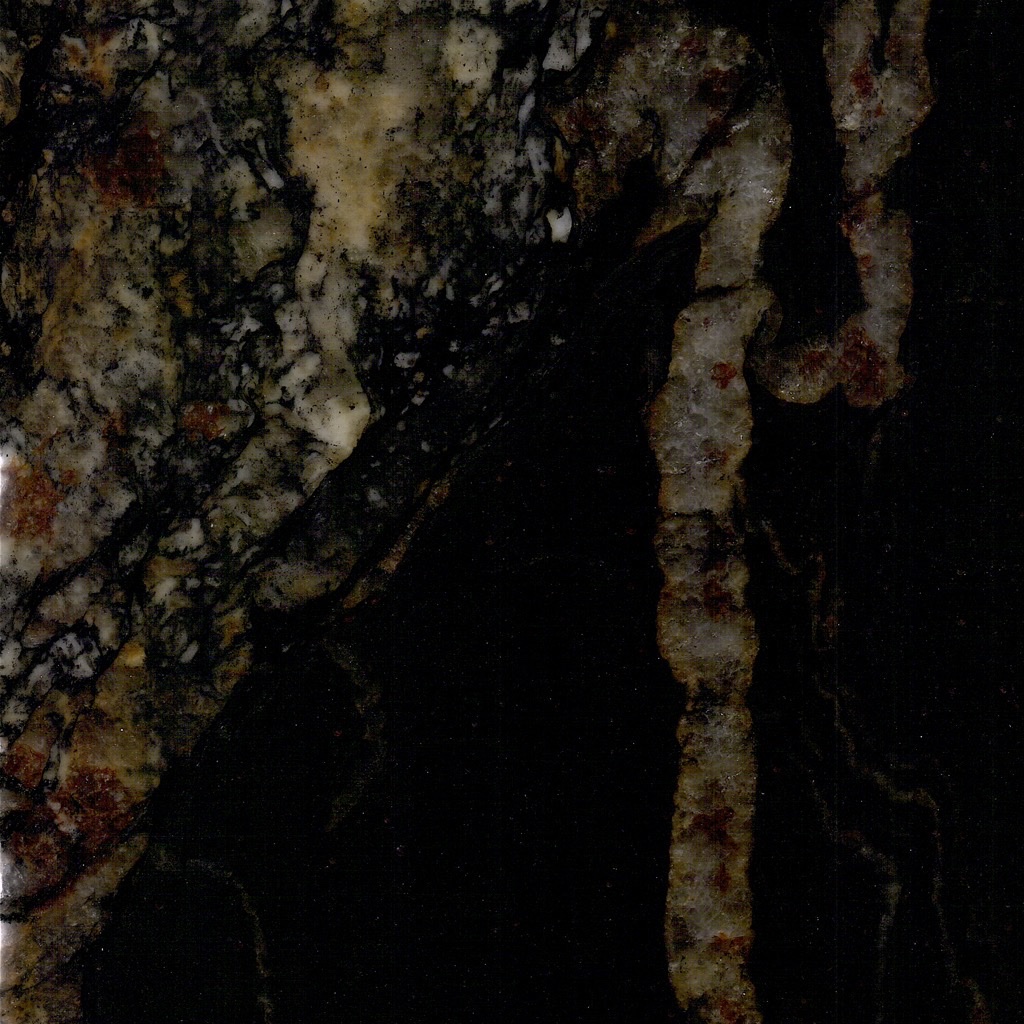
Almost any stone can be done as a waterfall, but some are easier to live with and easier to fabricate. We’ll give you a straight answer if the stone you love isn’t the best fit.
Quartzite
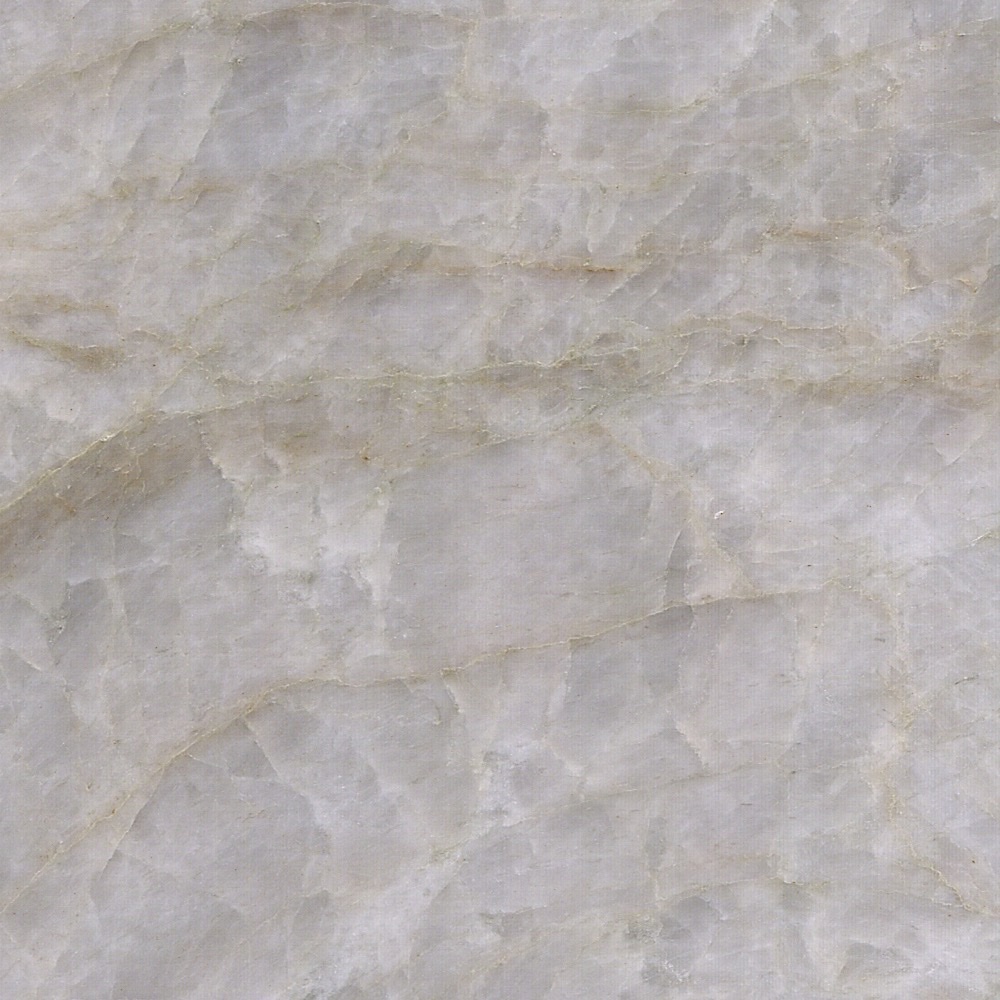
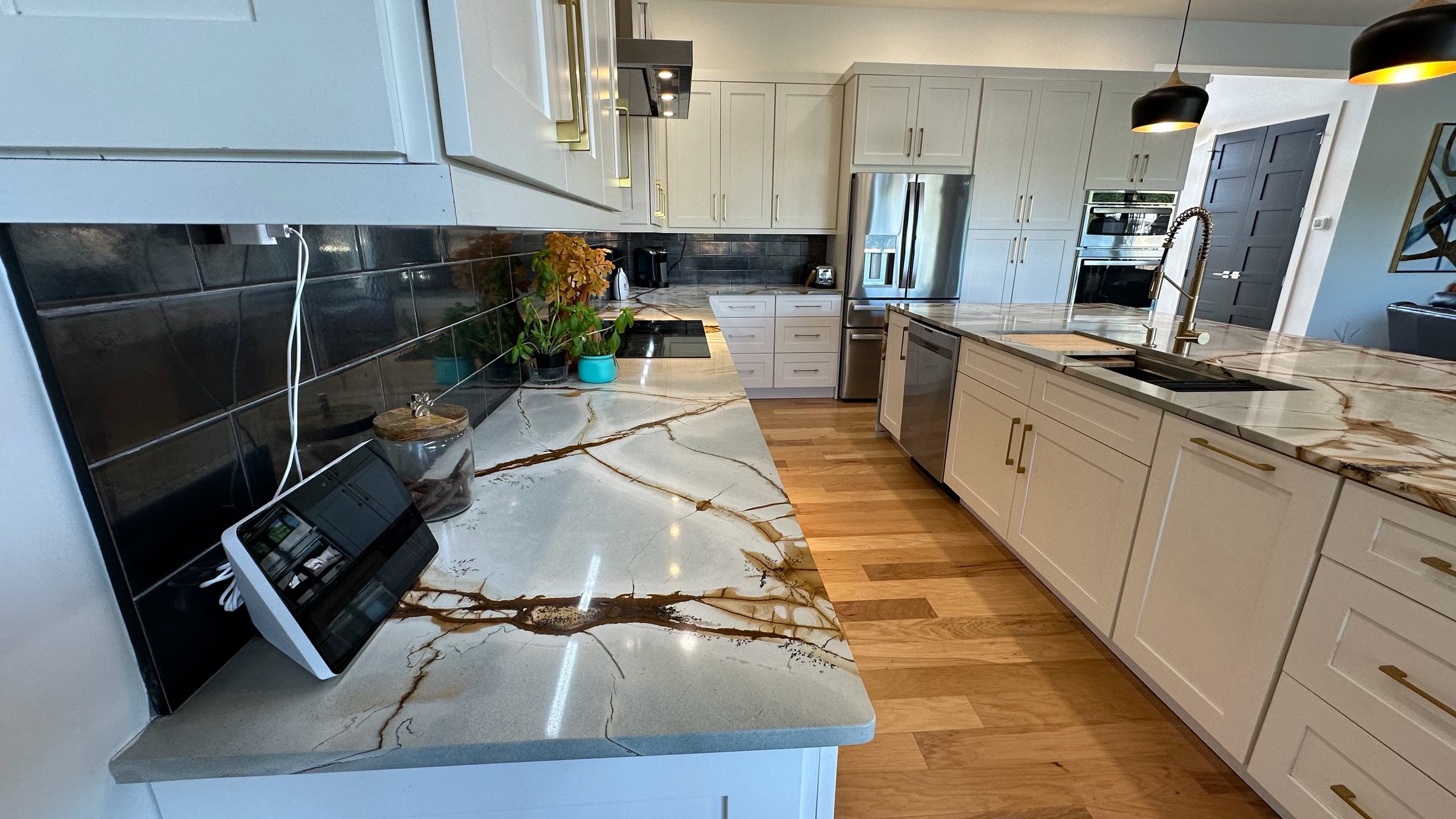
Large islands and waterfall edges are where quartzite tends to shine, since the pattern can run across the full length. According to geology.com’s quartzite page, true quartzite has a Mohs hardness of about seven and resists abrasion well. It still needs sealing, and some stones sold as quartzite are actually softer dolomite or marble, so ask us how a particular slab was classified. Our quartzite countertops page explains the difference.
Quartz
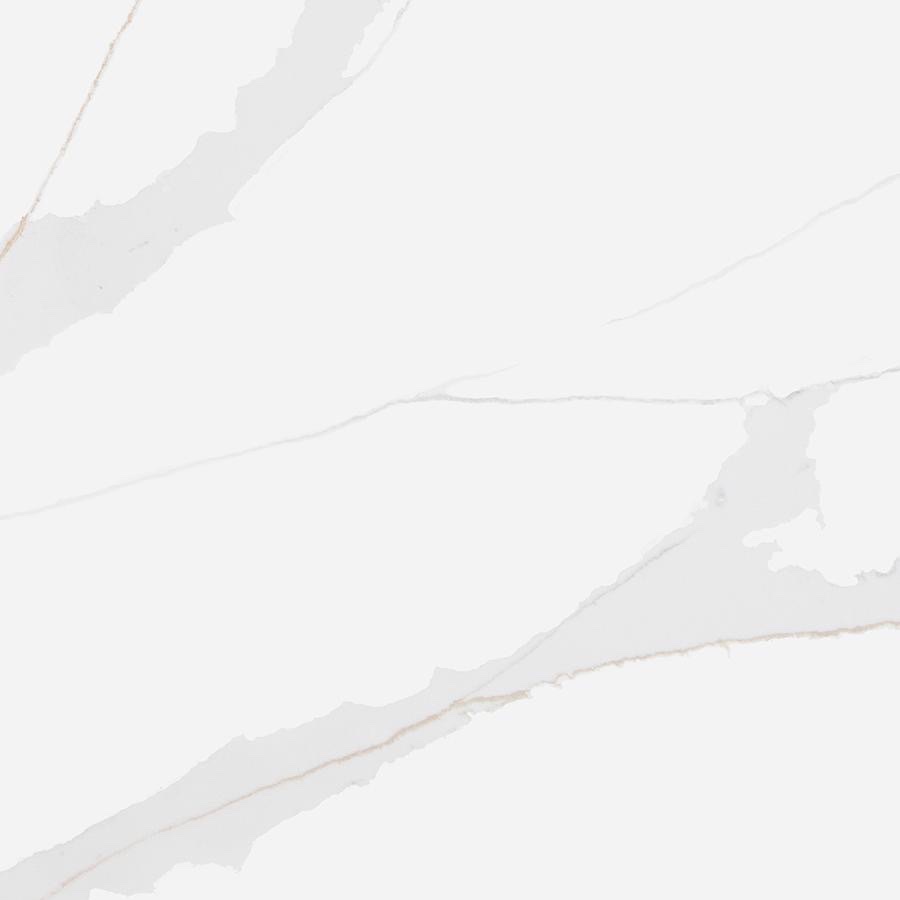
Quartz is engineered, so color is consistent from slab to slab, which can make a matched corner more predictable. It needs no sealing. Use trivets, because the resin can scorch under direct high heat. Cambria and Viatera are the quartz lines we work with. If you’re weighing engineered slabs against natural stone for an island, see our quartz and quartzite guide.
Porcelain and Dekton
Large porcelain slabs with marble-style veining suit modern waterfall islands, and the surface needs no sealing. The slabs are often thinner than natural stone, commonly around 12 or 20 mm, so the edge is usually mitered to look thicker. Porcelain is very hard but less forgiving of a sharp knock, and a chip on a corner is harder to hide, so think about where the island takes traffic.
Granite and marble
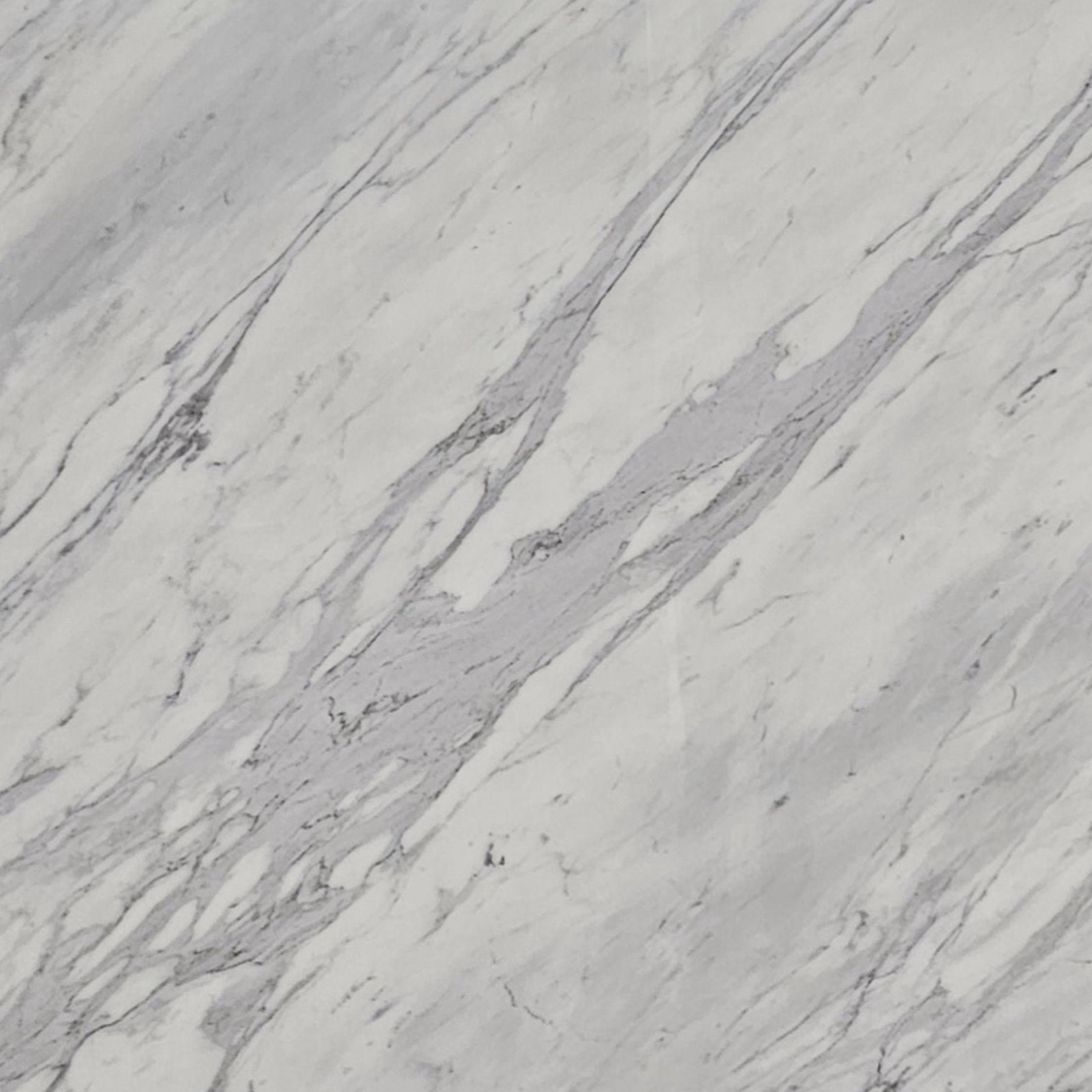
Granite works well when you like its natural variation, but its pattern can be busy to carry around a corner, so we look at the slab first. Marble gives classic veining but etches with acids like lemon and vinegar, and a waterfall panel at the end of a busy island will pick up that patina over time. If you cook a lot, that’s worth thinking through.
Matching Veins Across the Corner and Planning Slab Use
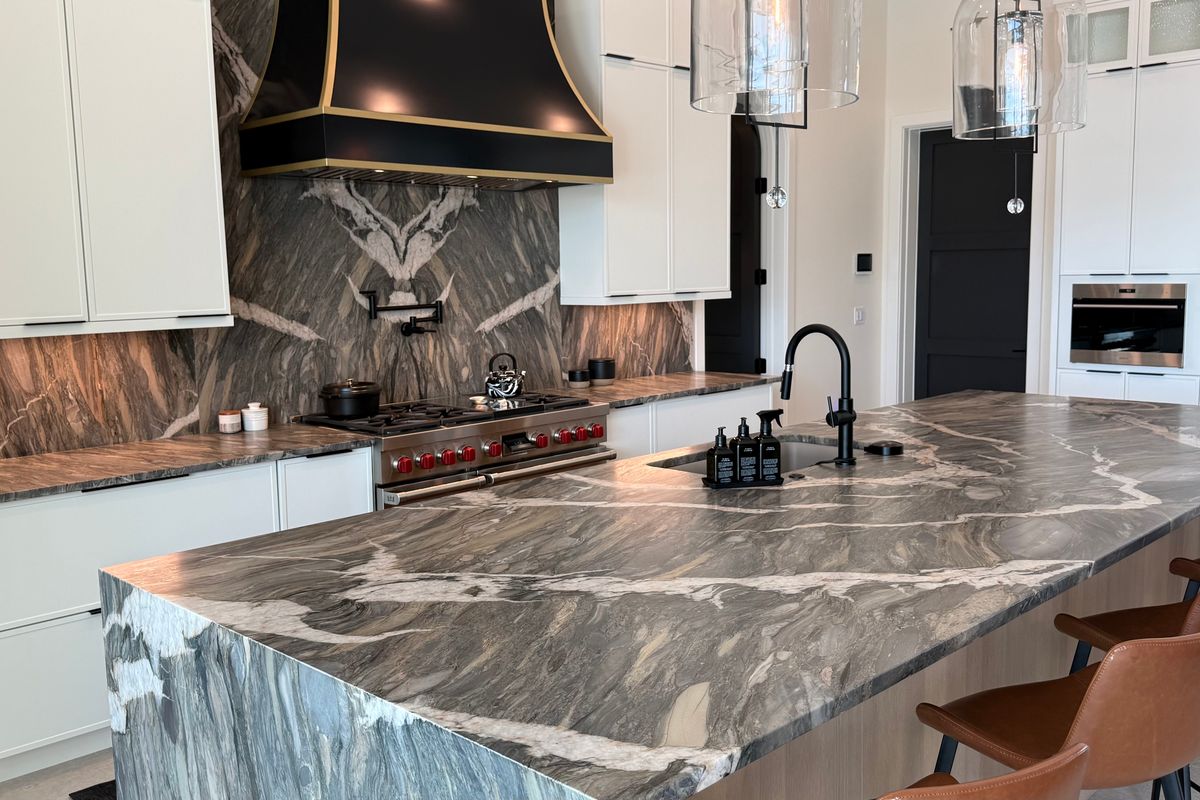
This is the part that makes a waterfall look expensive or look off. Stone isn’t a uniform sheet, and a bold vein can run beautifully across the top and then stop at the corner if the pieces aren’t planned together.
Why the end panel needs extra stone
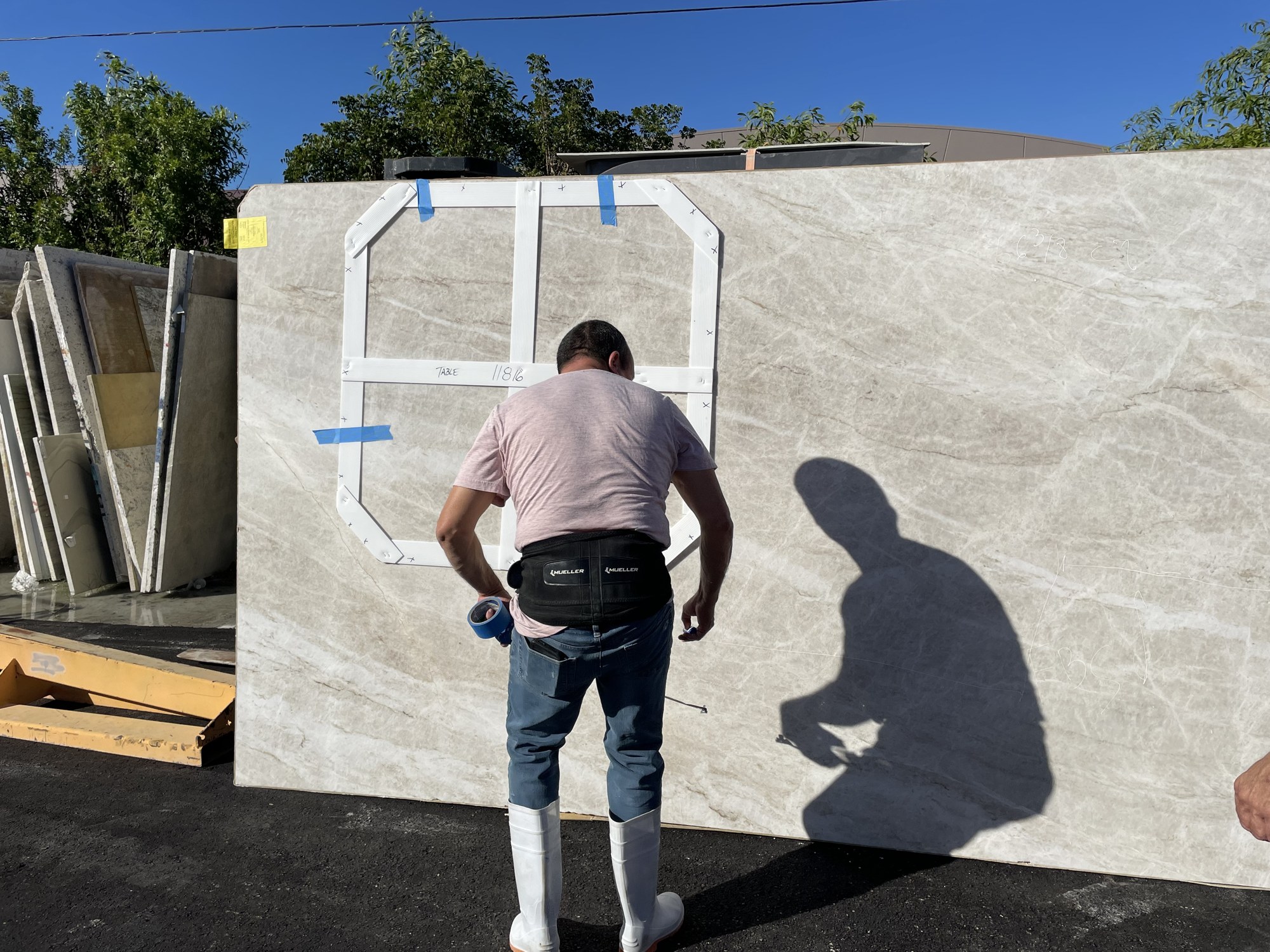
A waterfall needs extra stone and careful pattern planning to read as one continuous piece. For the lines to carry around the corner, the end panel has to be cut from the right part of the slab, next to the top section it joins, not from whatever is left over. That’s why a waterfall can use more stone than the same island with a plain edge.
Bookmatching, when the slabs allow it
Bookmatching means two slabs from the same block are opened like a book, so their patterns mirror each other. It makes a dramatic focal point, but it depends on the slabs available and the geometry of the piece. Raise it early, and expect us to ask to see your drawing.
Seams, size and the layout review
Slabs only come in certain sizes, so a long island may need a seam on top even before the waterfall is added. Before we cut, you review the layout with us, including where seams and veining will fall, and you approve it. It’s the one chance to move things around, and with a waterfall it’s worth taking your time. Our guide to the template visit explains how the measurements behind that layout are taken.
When a waterfall isn’t possible
Waterfall edges are possible when the stone and the geometry allow it. If a slab is too short, too fragile or too busy in pattern, we’ll say so, and we’ll suggest another stone or a different island end.
Is a Waterfall Countertop Worth It for Your Kitchen?
It’s a design and use question. A waterfall usually costs more than a plain edge because it uses more stone and more fabrication, and your estimate depends on the slab, the island size and the layout.
Where it earns its place
- A showpiece island: if the island is the first thing people see, a continuous stone end gives you a strong focal point.
- A modern or open plan: clean lines suit large, open kitchens.
- Protecting cabinet ends: stone on the end of an island can stand up to stool kicks and vacuum bumps better than a painted cabinet side.
Where it may not be worth it
- A small or crowded island: there’s less room to show the pattern.
- A very busy stone: heavy pattern can fight with the corner.
- Heavy use of acidic foods on marble: you may prefer a harder stone.
If you’re in or near Estero and want to see slabs in person, our Estero countertops page shows how we serve the area. We fabricate in-house at our Fort Myers facility.
Frequently Asked Questions
Are waterfall countertops worth it?
They can be, if you want your island to be a focal point and you have a stone with a pattern that suits it. Your estimate depends on the slab, the island size and the layout.
What is a waterfall countertop edge?
It’s an island where the stone carries down the side as a vertical panel, so the top and the end read as one piece of stone.
How do veins match on a waterfall island?
The end panel is cut from the part of the slab next to the top, so the veining can run through the corner. You approve that layout before cutting.
Does a waterfall edge need extra stone?
Yes. The end panel needs extra stone, and pattern planning can take more of the slab than a plain edge would.
Thinking about a stone panel down the end of your island? Call (239) 362-0404 to talk through your slab and drawing, or request an estimate and send us your island dimensions.