
HomeCountertopsQuartzite
Natural stone · Metamorphic
Quartzite Countertops in Southwest Florida
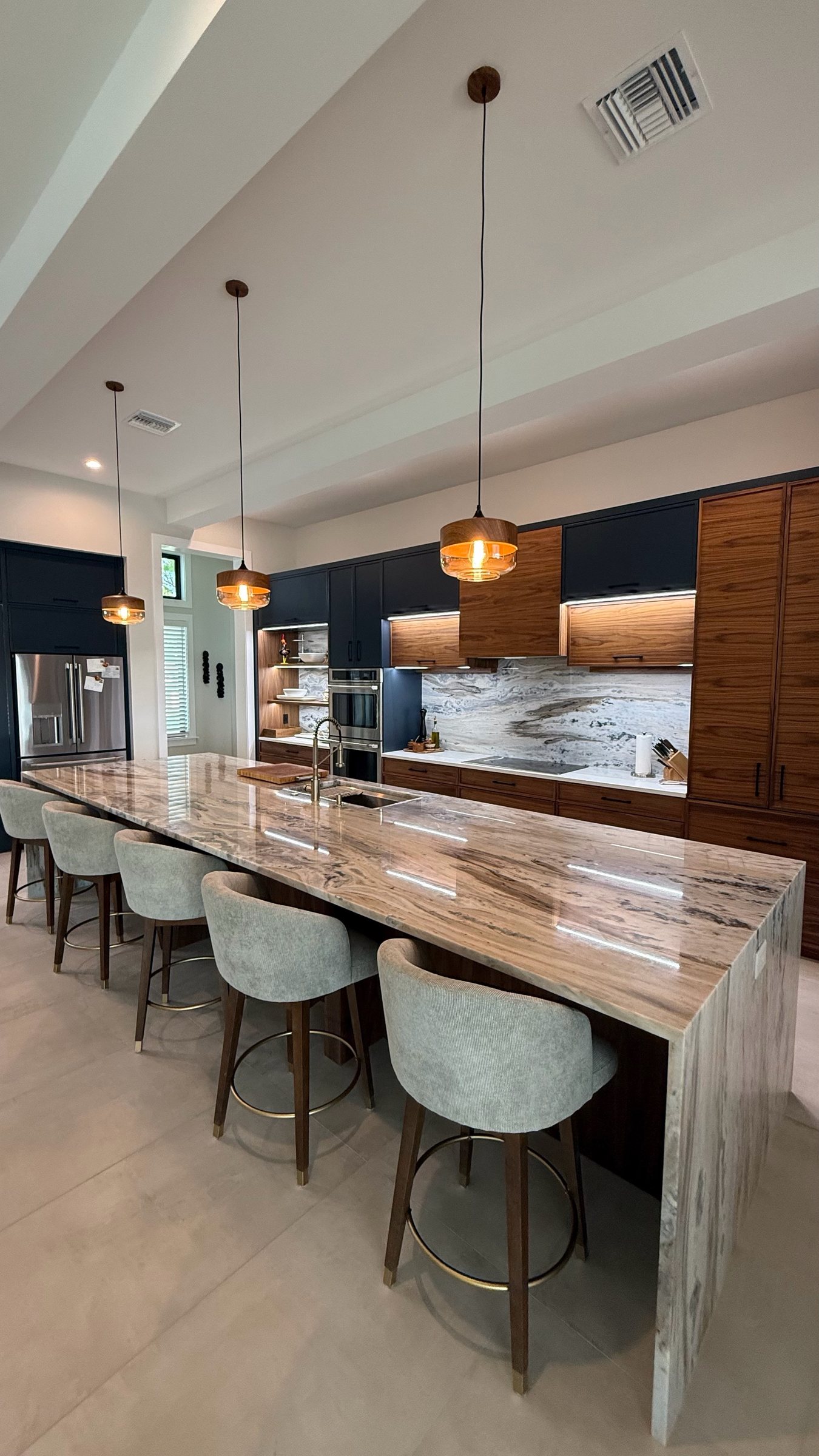
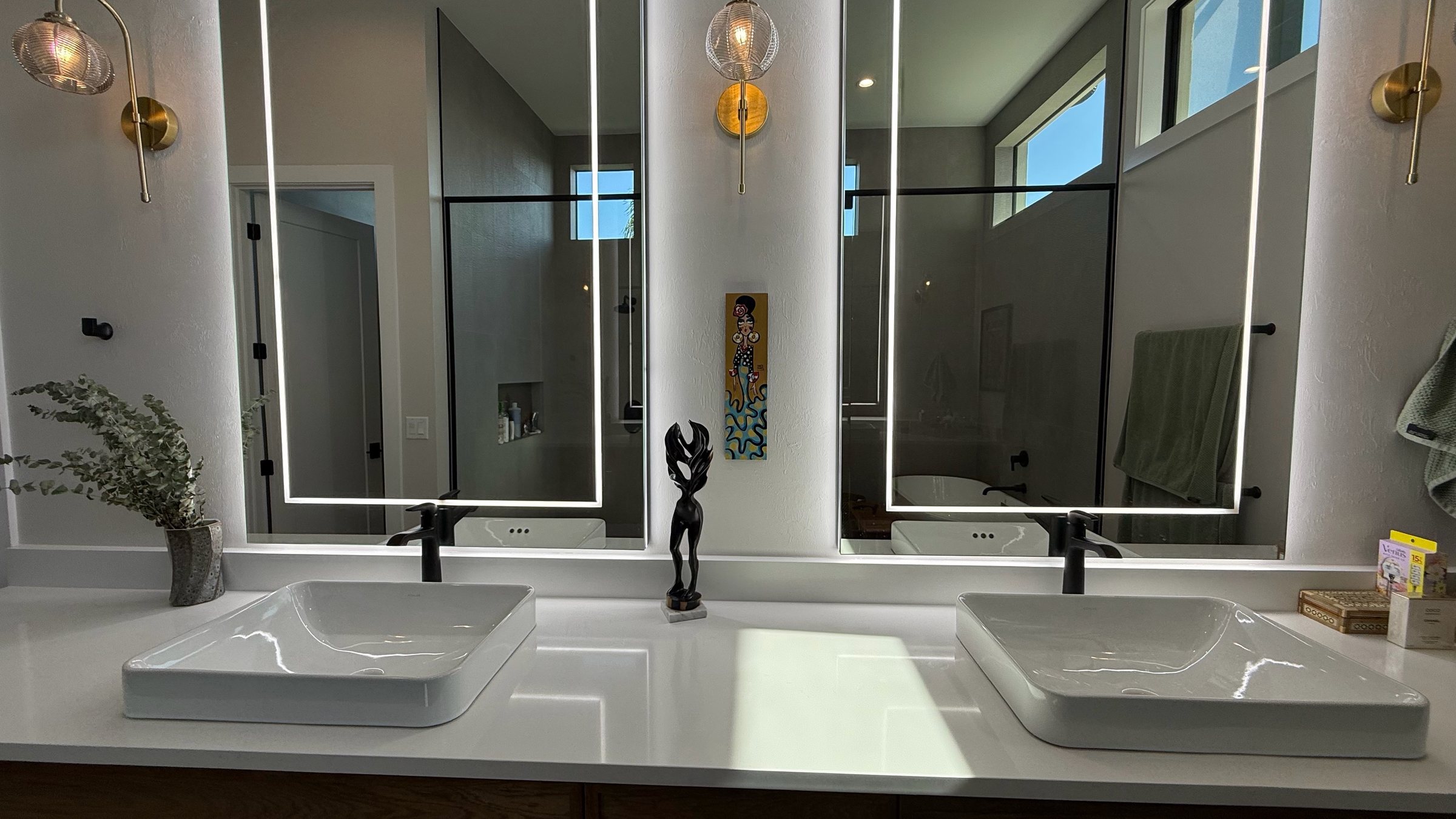
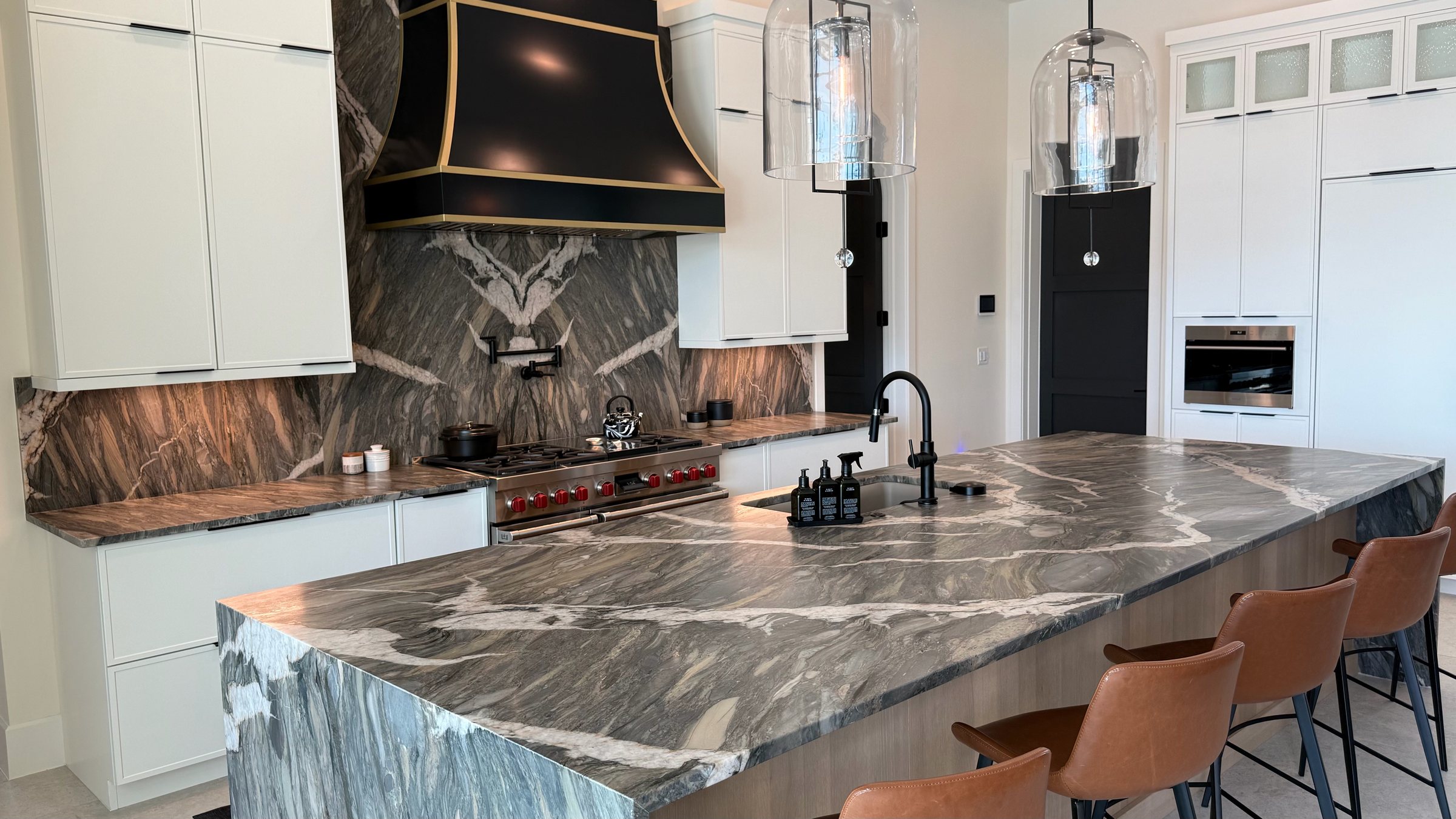
Quartzite countertops give you the soft, flowing look people love in marble on a much harder stone. HB Marble & Granite fabricates and installs natural quartzite for kitchens, islands, baths and outdoor spaces. It’s one of the most requested looks for kitchens and islands across the region, from Fort Myers to Naples and Sarasota.
Quartzite starts as sandstone. Heat and pressure over geologic time fuse the grains into a dense metamorphic rock, which is why it’s so hard and why the veining often looks like watercolor. It’s quarried, cut and polished, not manufactured, so it has nothing to do with engineered quartz apart from a similar name.
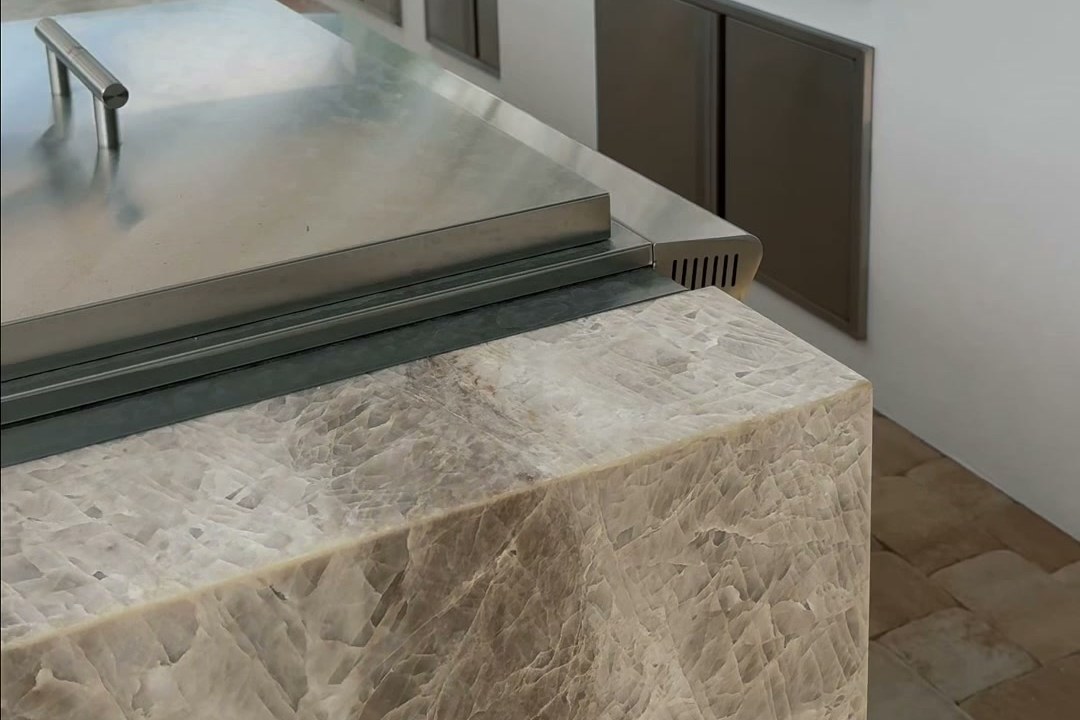
HB project · Outdoor kitchen
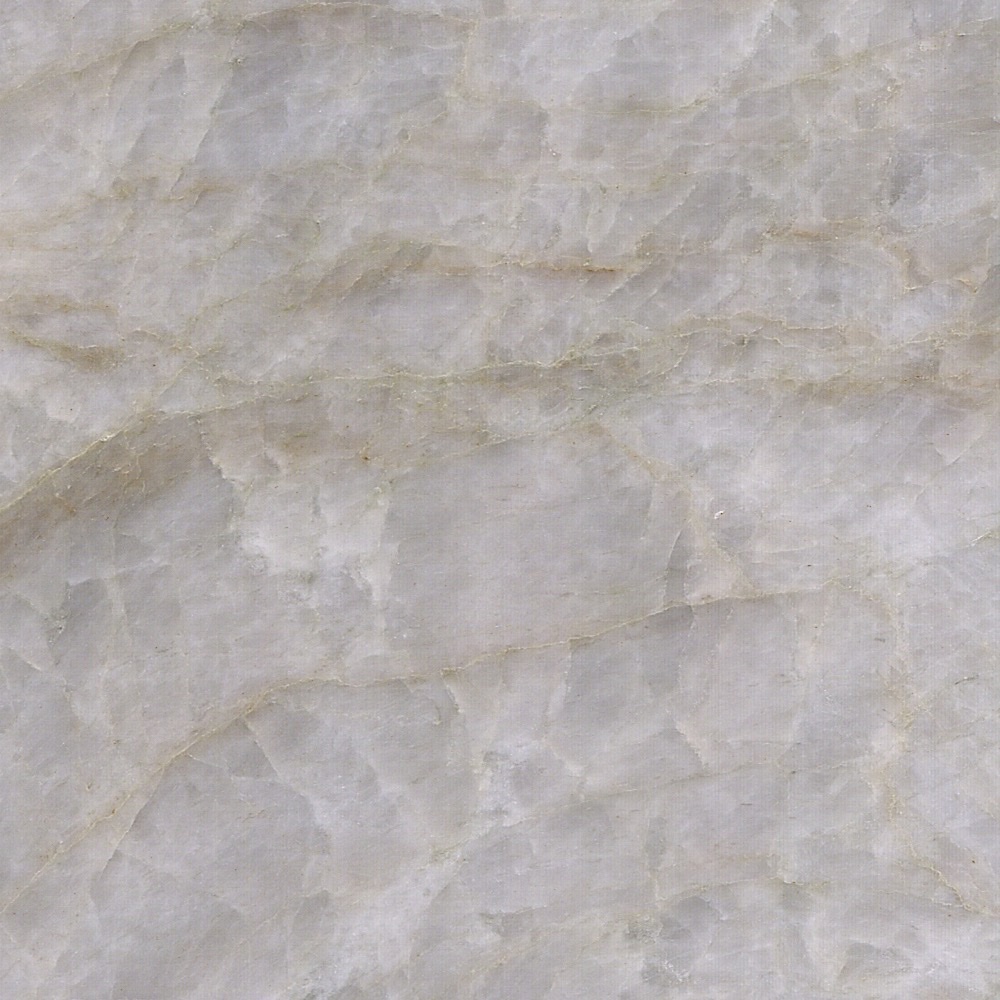
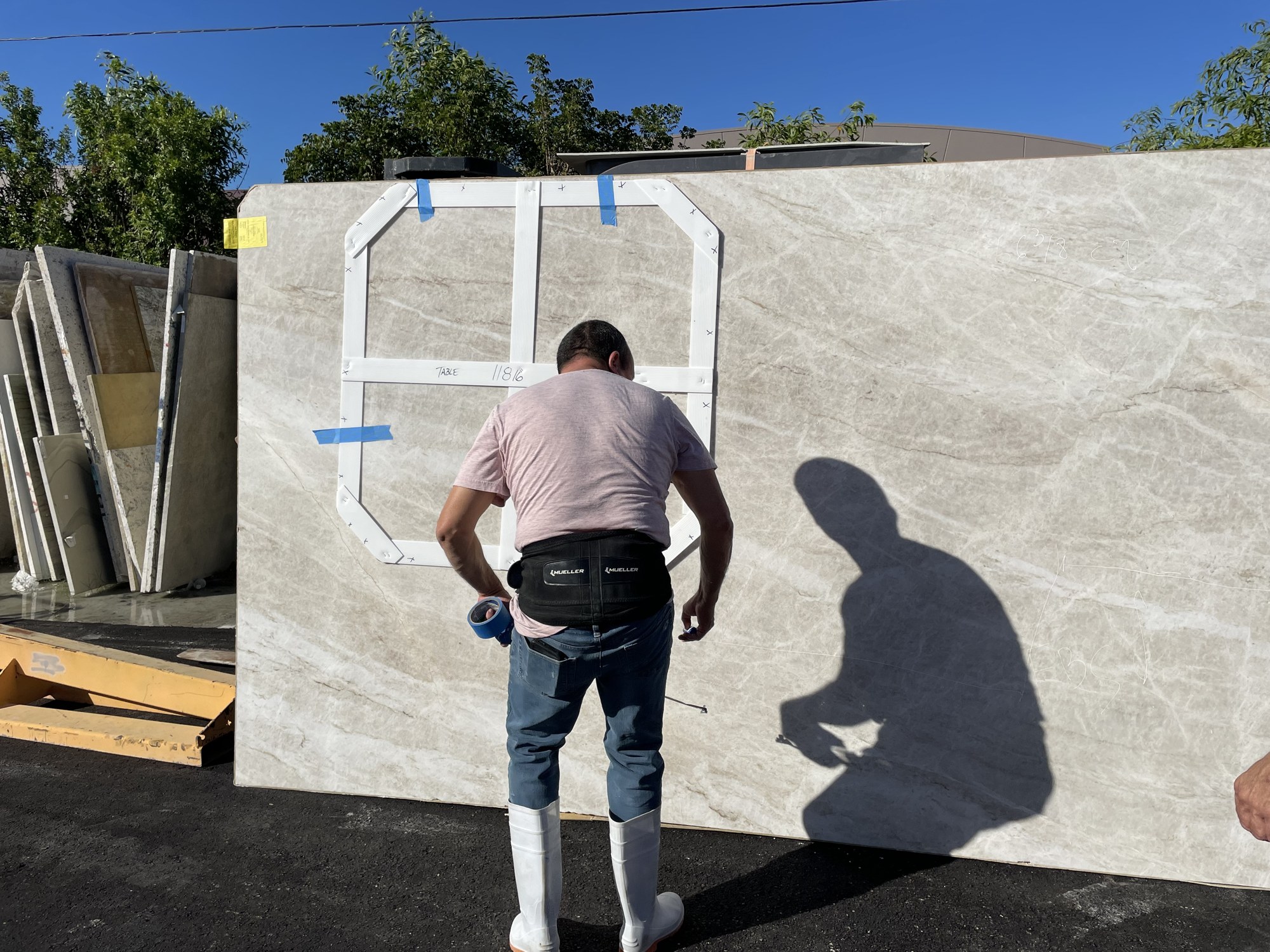
Taj Mahal quartzite, slab detail
Origin
Sandstone fused by heat and pressure
Hardness
Very hard
Sealing
Needed; varies by slab
Outdoors
Holds up well; some colors fade
Pattern
Marble-like movement
Strengths
What Makes Quartzite Appealing
01
Hardness
True quartzite resists scratching and everyday wear better than most natural stones, and it handles heat from cookware well.
02
Marble-like movement
Whites, creams, greys and even soft blues and golds, with veining that reads as dramatic without being harsh.
03
Outdoor use
As a natural stone, it’s a reasonable candidate for covered outdoor kitchens, though some colors can fade in constant direct sun, which we cover in our outdoor kitchen guide.
04
Statement slabs
Large islands and waterfall edges are where quartzite tends to shine, since the pattern can run across the full length.
Before you buy
What to Know Before You Buy
Quartzite is porous, so it needs sealing, and some slabs need it more often than others. Cleaning is simple: pH-neutral stone cleaner and a soft cloth. The durability question is mostly about what the stone actually is. Our quartzite durability guide walks through how hardness varies and what to look for.
Because demand is high, some stones sold under the quartzite label are actually softer materials such as dolomite or marble. They can still be beautiful, but they behave differently. Ask your showroom contact how a particular slab was classified and how it should be cared for.
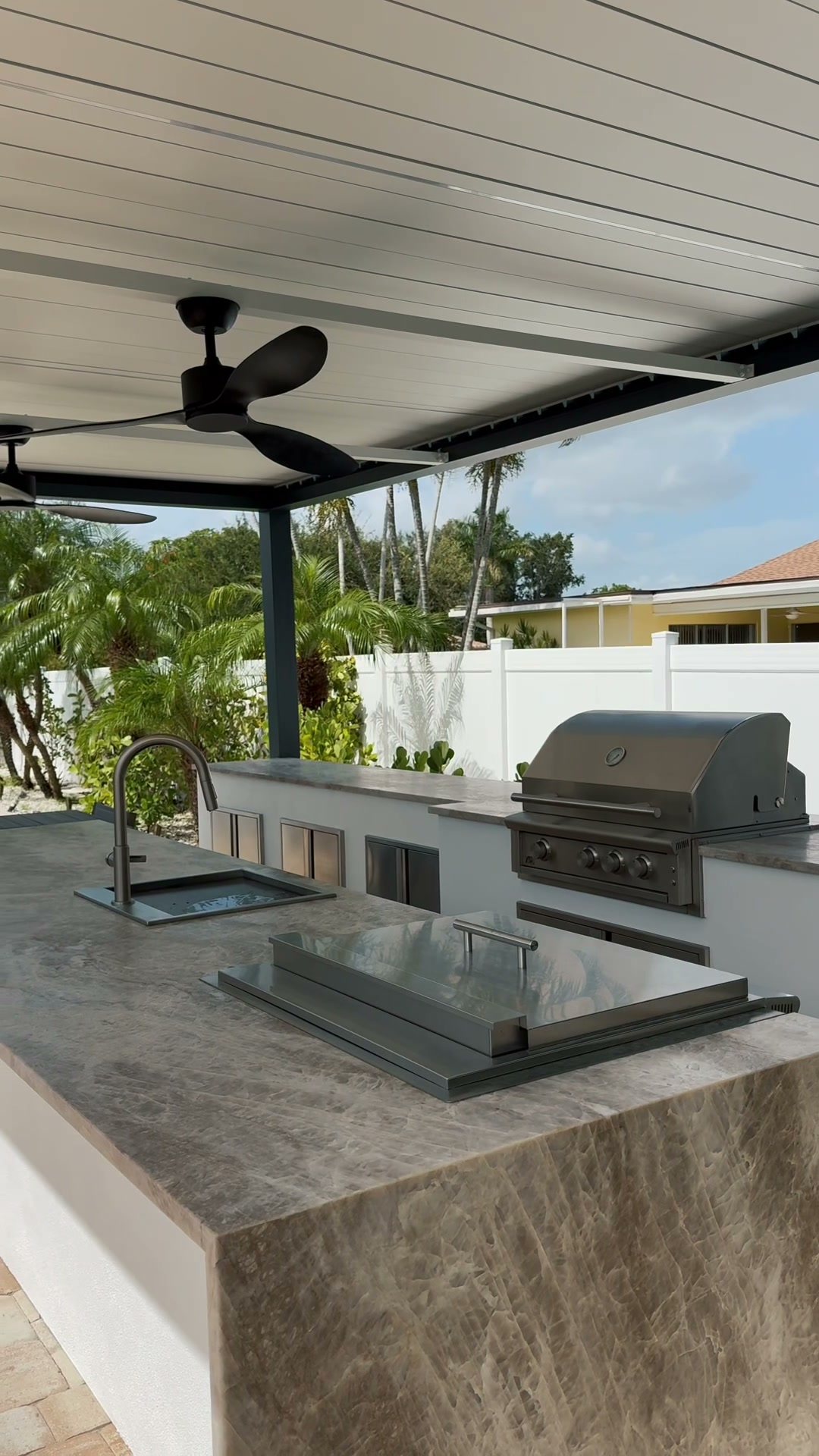
Outdoor kitchen · HB project
Buyer’s guide
Quartzite vs Dolomite vs Marble
These three get mixed up constantly, so here’s a quick buyer’s guide.
- QuartziteThe hardest of the three. It resists etching from lemon juice or vinegar in most cases and holds a polish for a long time.
- DolomiteSits between marble and quartzite in hardness. It offers a soft, marble-like appearance and needs sealing, with moderate resistance to scratches.
- MarbleThe softest. It etches from acids, scratches more easily and develops a patina. Our marble countertop page covers living with it.
If you love the look of marble but cook heavily, quartzite is usually the more forgiving path. If you simply love a veined white stone and don’t mind a living finish, marble or dolomite may suit you.
Quartzite
Quartzite or Quartz?
They’re different products entirely. Quartz is engineered, so it’s consistent and never needs sealing. Quartzite is natural, so every slab is one of a kind and the surface needs periodic sealing. The right pick depends on whether you want predictability or character. Browse real options in our color and slab guide.
Many buyers in Naples are comparing quartzite for high-end kitchens and condo remodels; our Naples countertop page covers what changes when a project is in a building with its own rules.
Compare materials
How quartzite compares with the other four.
How the five compare on heat, scratches, stains and sealing. See the slabs side by side at our Fort Myers showroom.
Quartzite
This page
Heat
High
Scratch
High
Stain
Medium
Sealing
Every 1–2 years
- High
- Medium
- Low
Questions
Quartzite Countertop FAQs
Another question about quartzite? Call the showroom and talk to someone who works with the stone every day.
What is the downside of quartzite?
Quartzite needs sealing, can cost more than granite because of slab availability, and isn’t always what it’s sold as. Some softer stones carry the name. It’s also heavy, and the hardest slabs are tougher to fabricate, which affects layout planning more than daily use.
Which is nicer, quartz or quartzite?
It’s a matter of taste. Quartzite offers natural, one-of-a-kind movement and strong heat tolerance. Quartz offers uniform color and no sealing. If you want the character of real stone, choose quartzite; if you want predictable, low-maintenance, choose quartz.
Can I use Clorox wipes on quartzite?
We’d avoid them. Bleach and acidic disinfectants can dull the polish and break down the sealer on natural stone. Use warm water and a pH-neutral cleaner for daily wiping, and ask us about stone-safe disinfectants if you need one.
Is Taj Mahal a quartz or quartzite?
Taj Mahal is a natural quartzite, a creamy stone with soft golden veining. It isn’t engineered quartz. Some look-alike quartz colors exist, but the real Taj Mahal is quarried stone, so we always suggest seeing the actual slab.
Free estimate
Get a free estimate for your countertops.
Call (239) 362-0404 or request an estimate to match a quartzite slab to your space.