

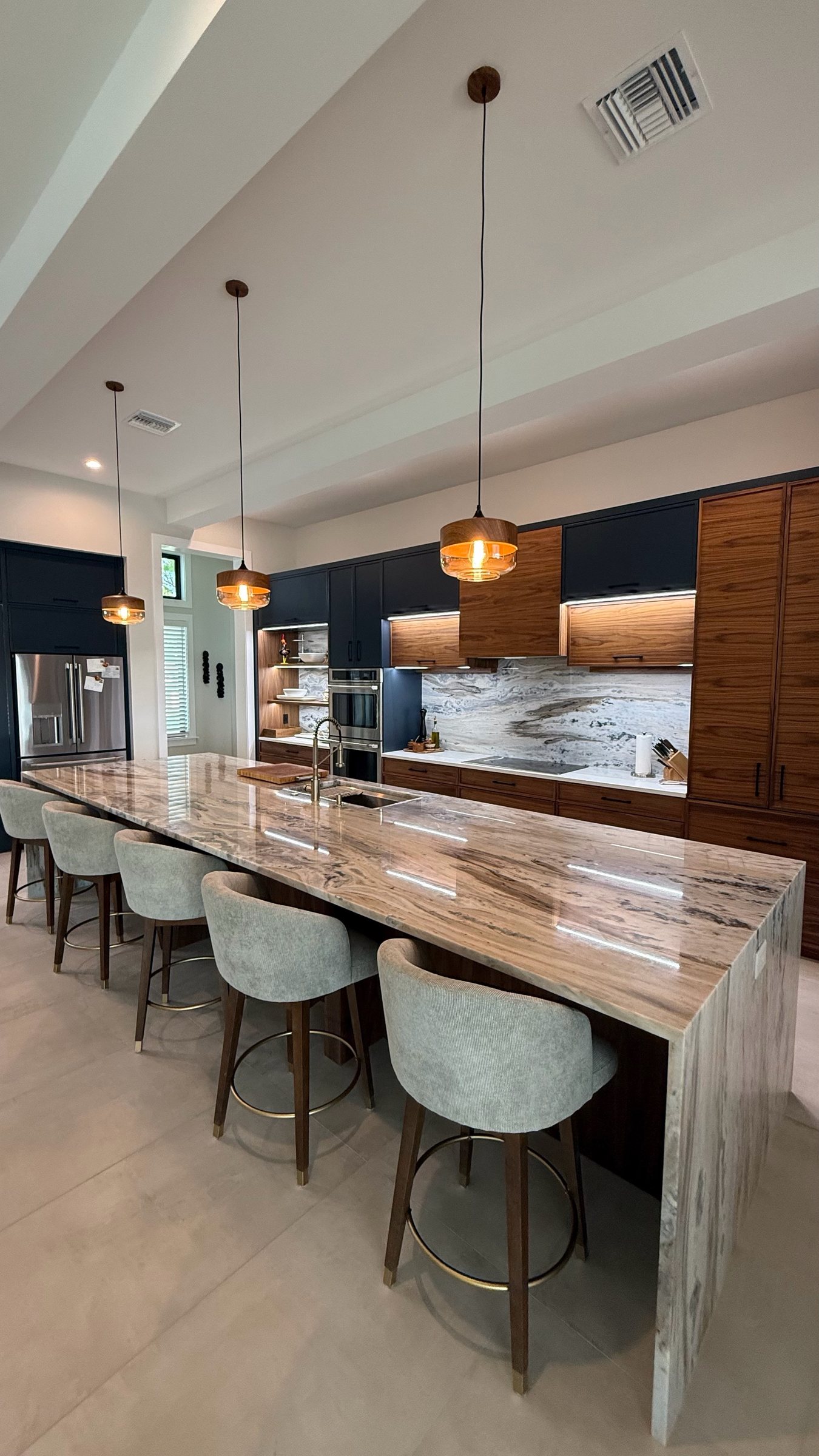
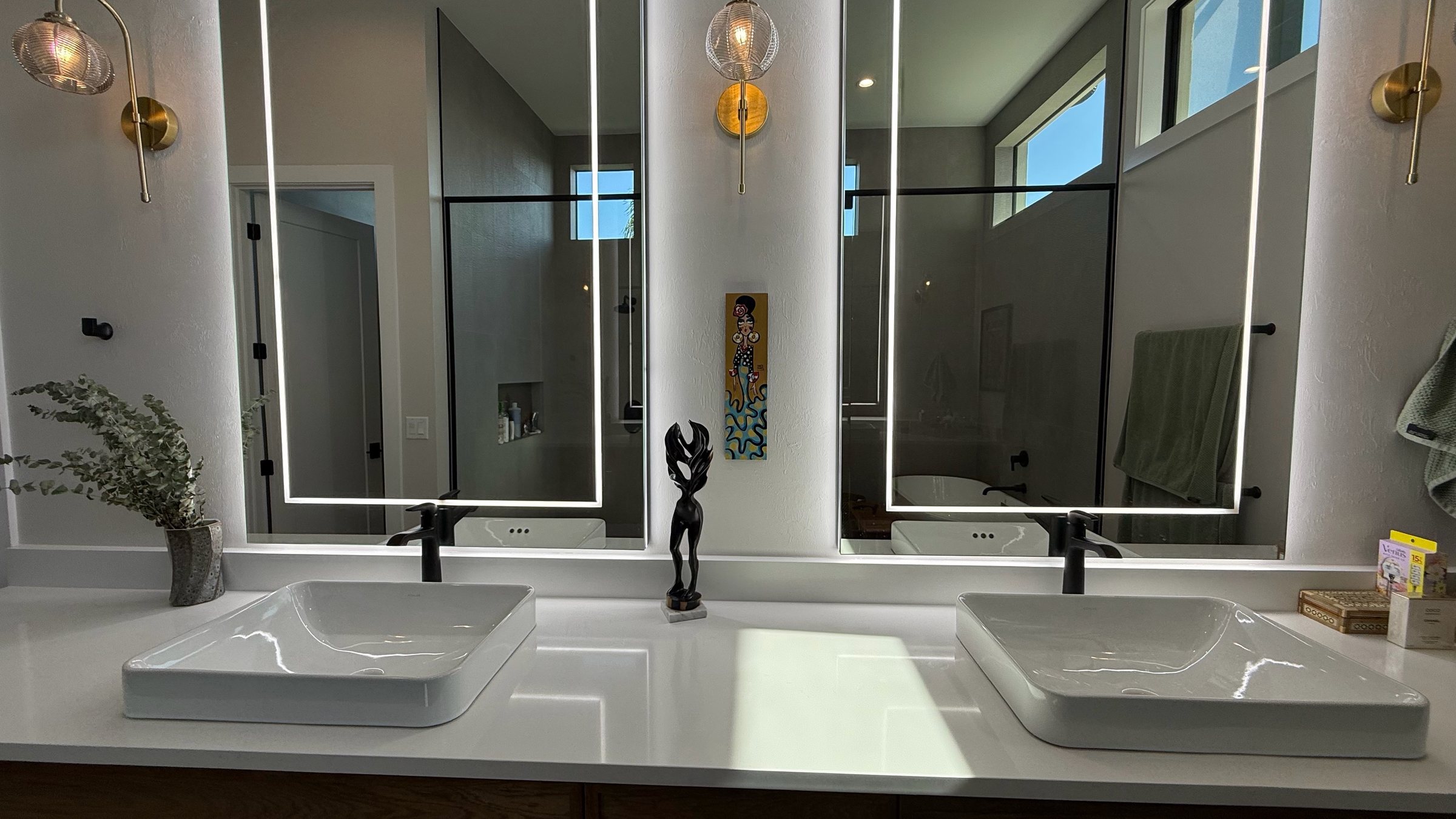
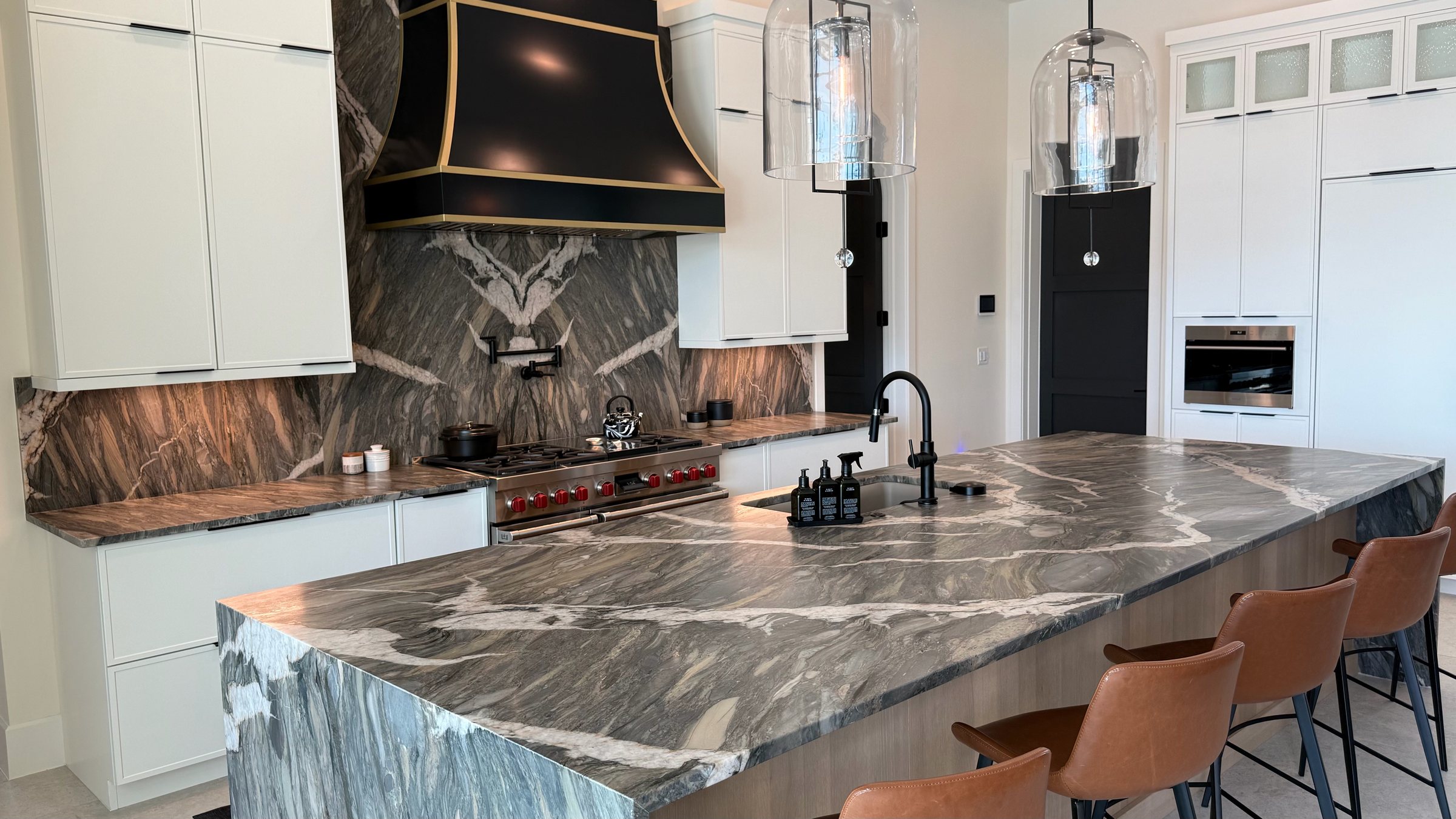
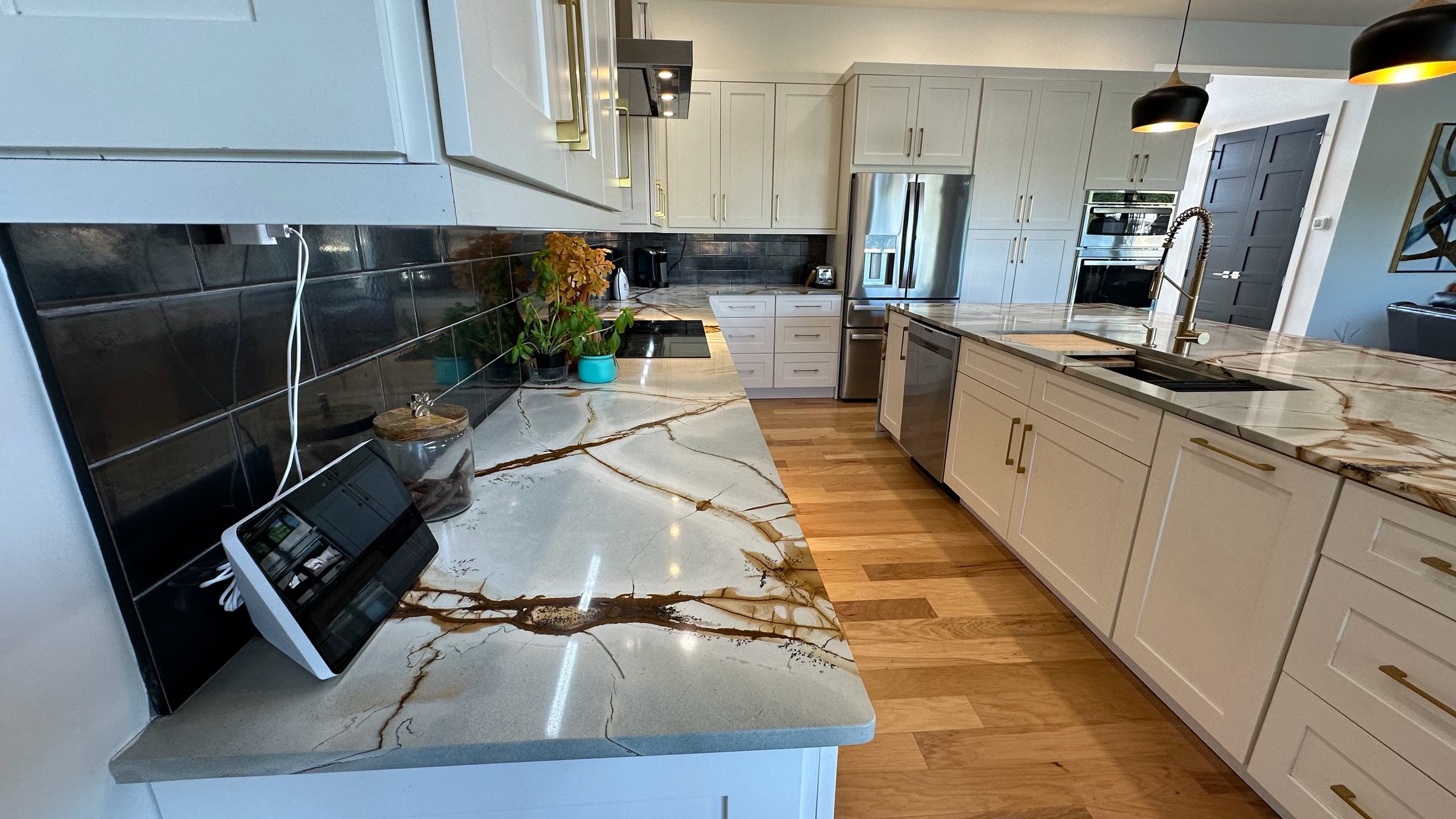
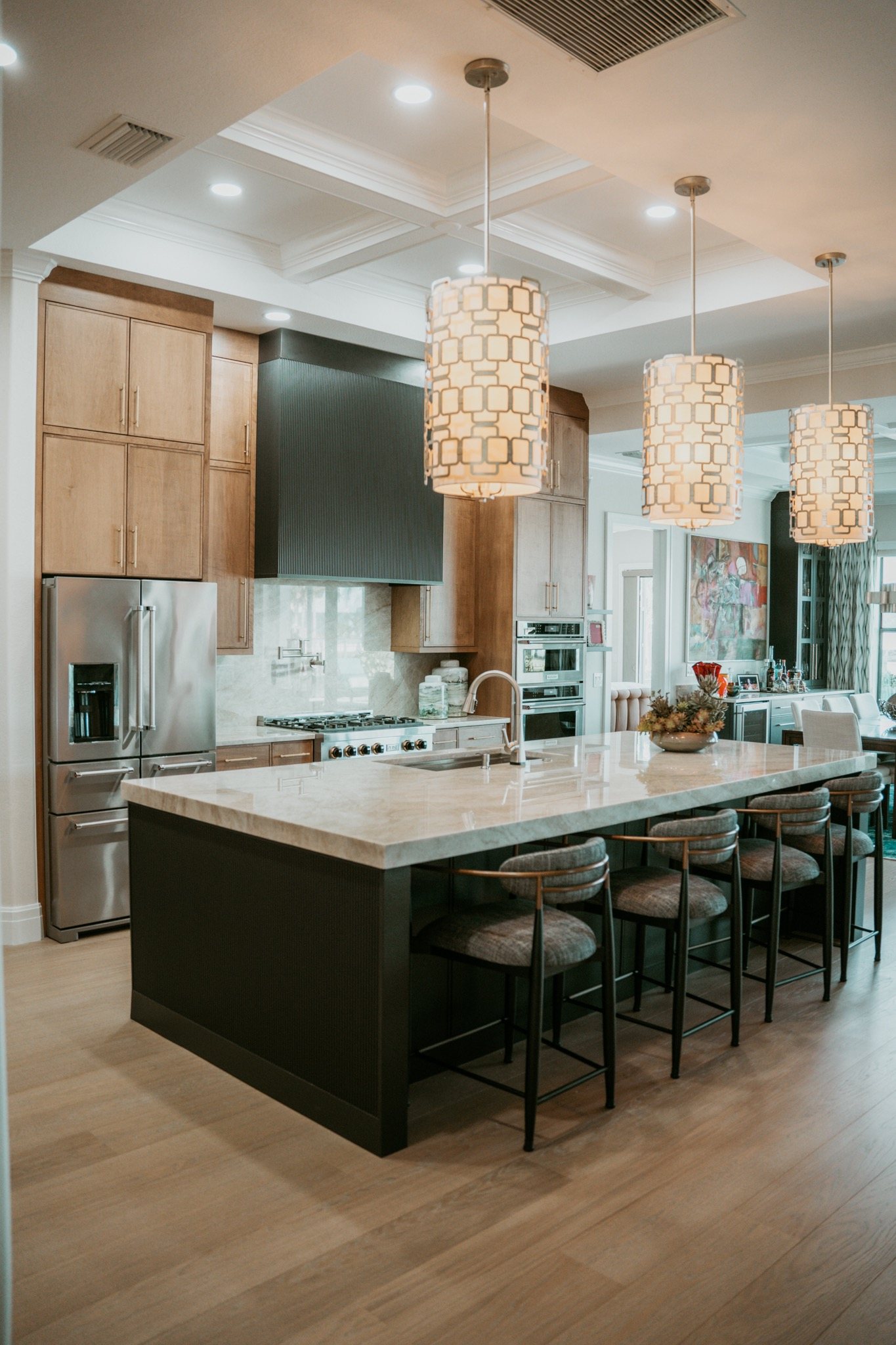
Quartzite Countertops Durability: The Ultimate Guide for Your Home
Quartzite countertop durability is one of the main reasons homeowners put this stone on the shortlist. Quartzite is a natural stone that is hard, tough and well suited to a busy kitchen or bathroom, but it is not maintenance-free or indestructible. Here is what durability means in daily use.
What Is Quartzite?
Quartzite is a metamorphic rock formed when quartz-rich sandstone is altered by heat and pressure. According to Geology.com, the sand grains recrystallize into a network of interlocking quartz grains, and that structure is where the stone gets its strength. Quartz has a hardness of about 7 on the Mohs scale.
Quartzite is not the same as quartz. Quartzite is quarried natural stone, while quartz countertops are engineered surfaces made with mineral content, resins and pigments.
Quartzite Countertop Durability: Scratches, Heat and Acids
Scratches and everyday wear
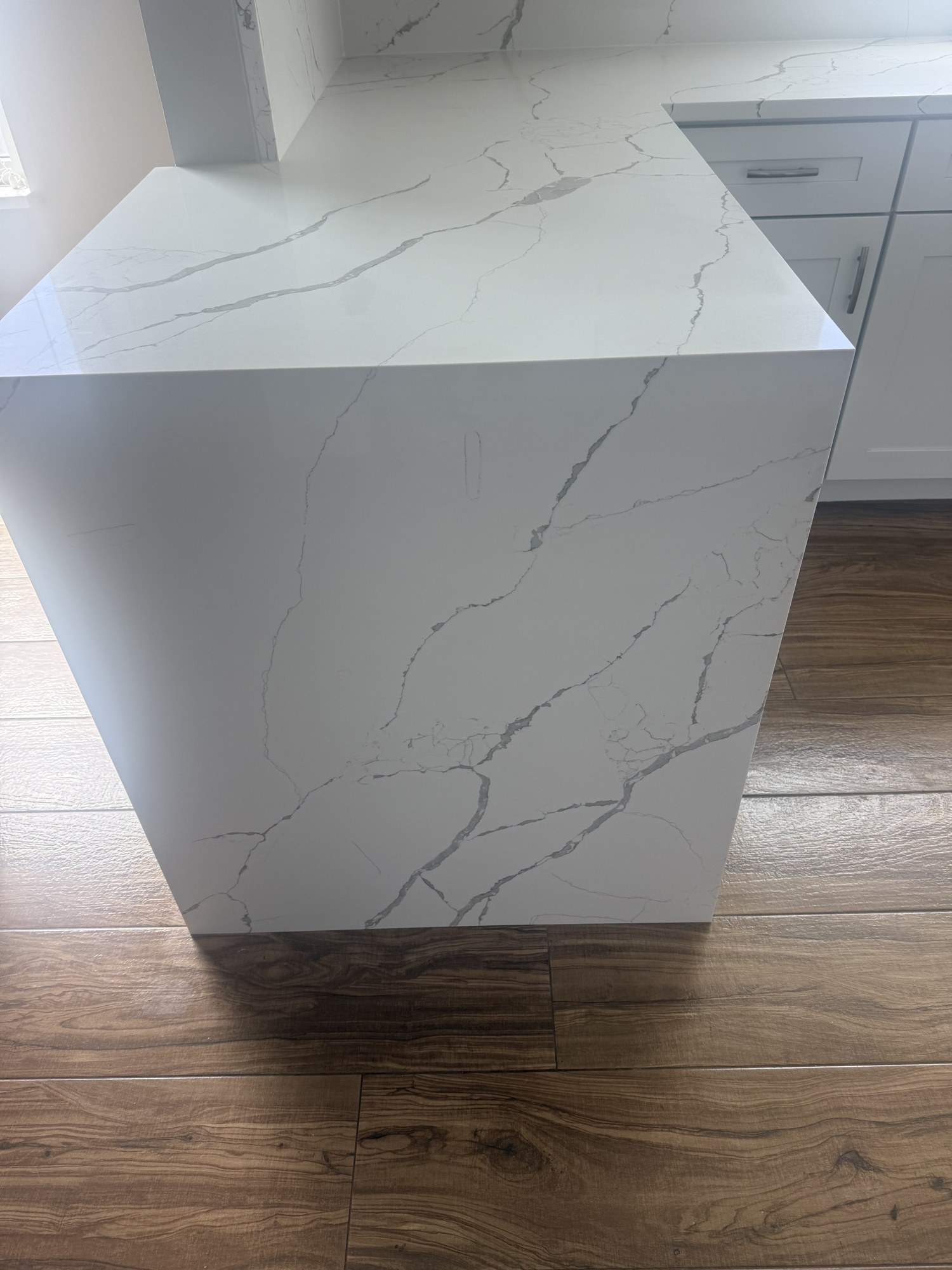
The hardness of quartzite means it resists the scratches that come with normal kitchen use. We still suggest a cutting board, which protects both your knives and the surface, and extra care around exposed edges, where any stone can chip from a hard knock.
Heat
Quartzite handles normal cooking heat well. The Natural Stone Institute still recommends trivets or mats under hot cookware, and we suggest the same habit at home. A trivet kept beside the cooktop, plus a mat under countertop appliances that run warm for hours, makes the habit easy.
Acids and etching
The Natural Stone Institute explains that siliceous stone, which includes quartzite, is generally resistant to most acids found in kitchens, unlike marble. Acidic cleaners are still not recommended, because a slab can contain trace minerals that are acid-sensitive.
Chips and edges
Hard stone resists scratching, but hardness is not the same as impact resistance. A heavy pot dropped on a thin edge can chip any stone. A rounded or eased edge profile, and sensible handling around the sink and cooktop, are the practical answers.
Sun and outdoor use
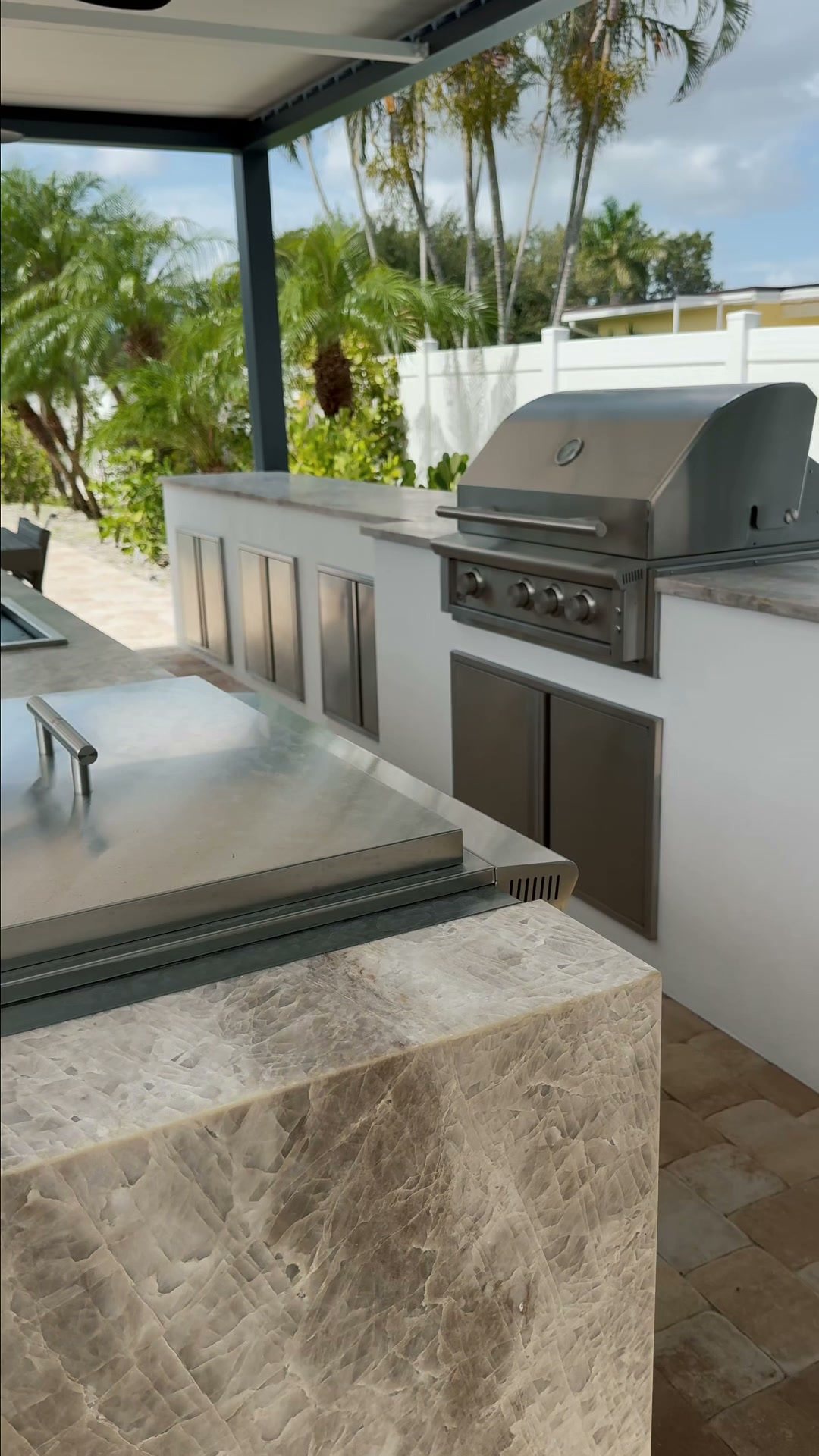
Because quartzite is natural stone, it does not rely on resins that sunlight can affect. That is one reason it is often considered for covered outdoor kitchens. Ask us about the specific slab, since stones differ.
Sealing and Care for Quartzite
Quartzite is natural stone, and many slabs benefit from a penetrating sealer. Some need it more often than others, so the right schedule depends on the specific stone.
A simple water test shows where you stand. Leave a little water on the surface for several minutes, then look at the spot. If the stone has darkened, it may be absorbing moisture and ready for resealing. Day to day, mild soap and warm water is all it needs.
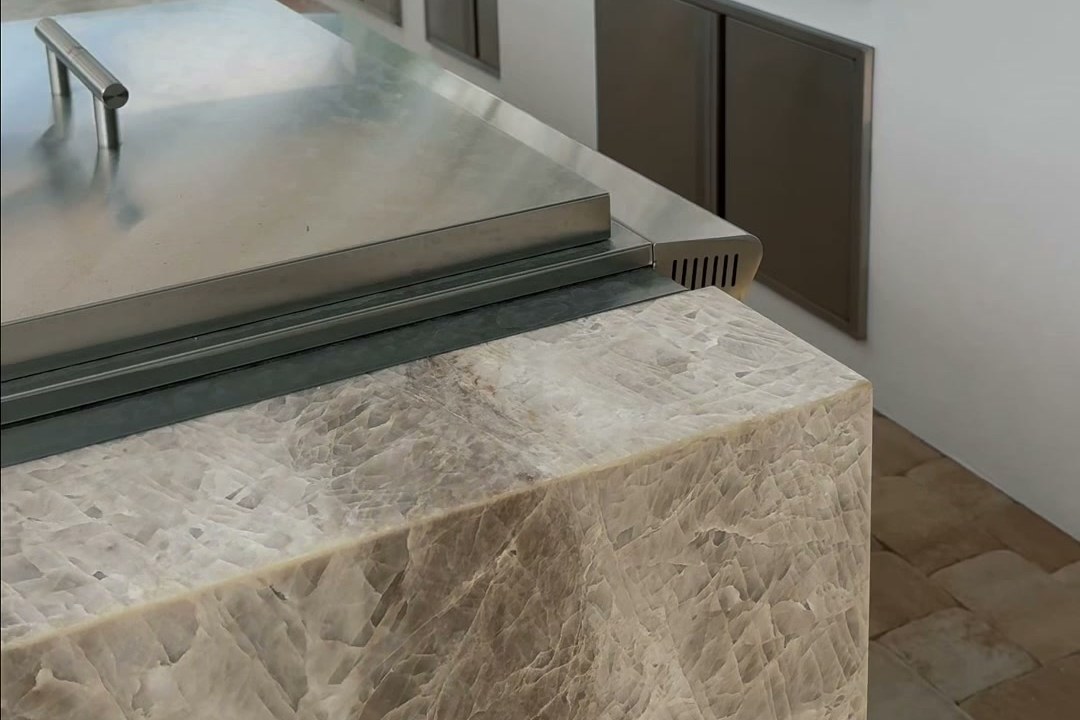
Quartzite compared with granite and quartz
- Quartzite: natural stone, hard and tough, with dramatic movement. Many slabs benefit from sealing.
- Granite: natural stone, very durable, with a wide range of speckled and veined looks. Sealing depends on the stone.
- Quartz: engineered, consistent and nonporous, but more sensitive to direct heat and prolonged sun.
Choosing a Quartzite Slab You Can Trust
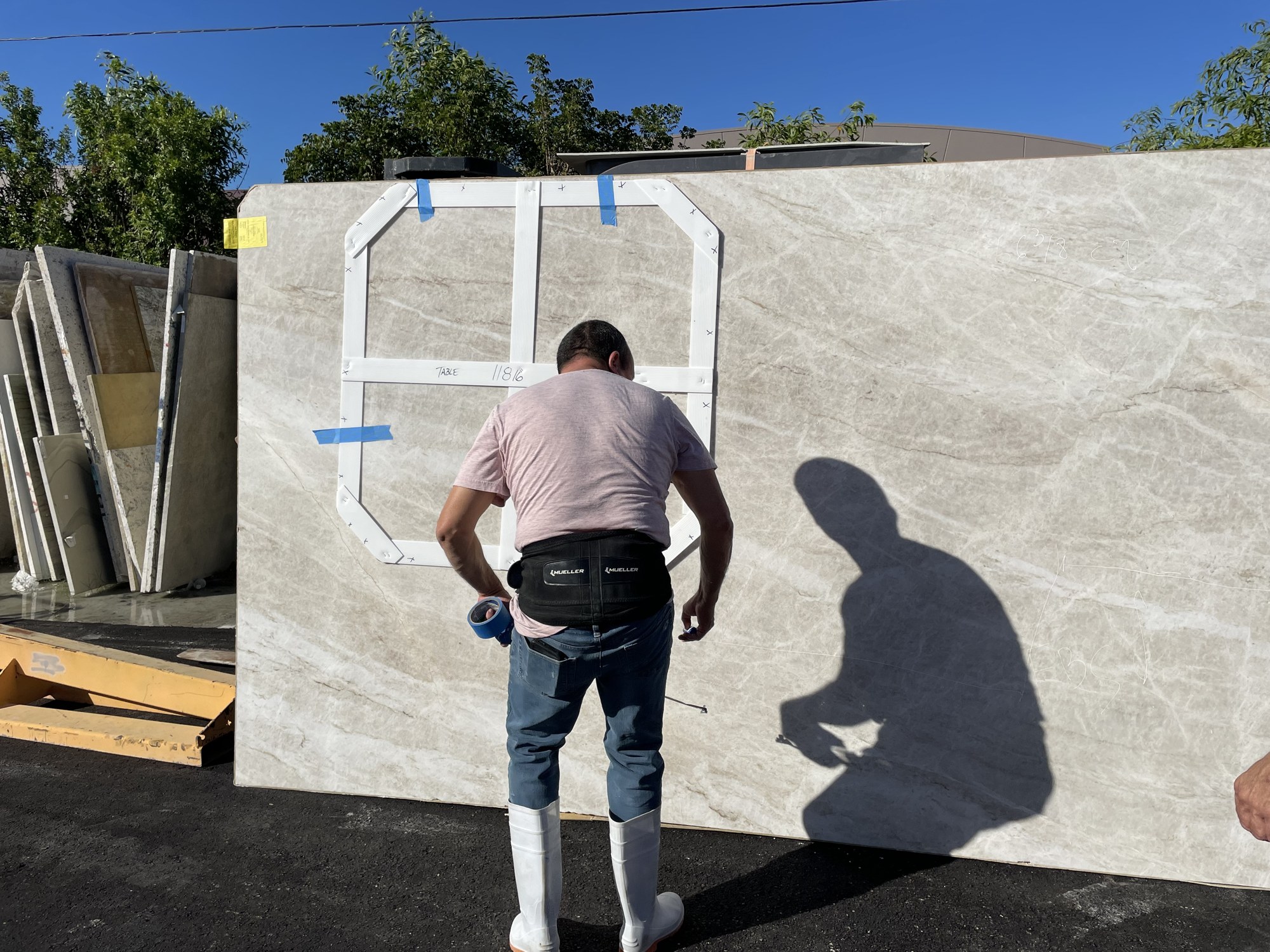
The word quartzite is used loosely in the trade, so ask for the name of the stone and how it behaves in a kitchen before you commit. That is also why we encourage you to see the full slab at our Fort Myers showroom, where the veining, color and movement are all visible at once.
If part of your project is outdoors, our outdoor kitchen countertops page covers what to plan for, and our granite countertops page is a good comparison if you are deciding between two natural stones. Quartzite countertop durability is a strong reason to choose it, and the right slab for your kitchen is the one you have seen in full.
Frequently Asked Questions
Is quartzite harder than granite?
Quartzite is made almost entirely of quartz, which has a Mohs hardness of about 7 according to Geology.com. Granite is a mix of minerals that includes quartz, and it is also very hard. Both resist everyday scratches well, so appearance and care usually decide between them.
Can I put a hot pan on quartzite?
It handles heat well, but we recommend a trivet anyway. The Natural Stone Institute suggests trivets or mats under hot cookware for natural stone.
Does quartzite stain or etch?
Quartzite generally resists the acids found in kitchens better than marble does, but it can still stain if spills sit on an unsealed or under-sealed surface. Wipe spills promptly and avoid acidic cleaners.
Does quartzite need to be sealed?
Many slabs benefit from sealing, and some need it more often than others. The water test shows when yours is due.
Want to see how quartzite holds up? Call (239) 362-0404 and we will talk through the options, or request an estimate and we will set up a look at full slabs.