

Quartz Countertop Brands: Cambria, Viatera and How to Compare Them
Quartz countertop brands are worth comparing, but not in the way most shoppers expect. The big names all make engineered slabs from ground natural quartz, resin and pigment, so the real differences are in the patterns, the collections, the slab sizes and the coverage terms each maker publishes. We install Cambria and Viatera, and this guide shows how to compare any two brands fairly without ranking them.
What a Quartz Brand Really Controls
Quartz is a manufactured product, so the maker decides what goes into the slab and how it’s finished. A brand controls the color and pattern library, the slab dimensions, the surface finishes on offer and the care instructions that go with them. It doesn’t change the basic nature of the material. Engineered quartz is non-porous, uniform and consistent from slab to slab, which is why it doesn’t need sealing.
What stays the same across brands
- No sealing. Cambria states that its surfaces require no sealing, polishing or reconditioning. LX Hausys says Viatera doesn’t require sealing, either.
- Heat limits. Both makers tell you to use a trivet or hot pad. Cambria says its surface may not withstand direct heat transfer from pots and pans, and LX Hausys calls Viatera heat tolerant but not completely heat resistant.
- Gentle cleaning. Warm water, a soft cloth and a mild soap handle most messes. Abrasive cleaners are on both makers’ avoid lists.
Because the basics match, a better question than “which brand is best” is “which slab do I like in my kitchen, from a maker whose terms I understand?” Our guide to quartz countertop pros and cons covers the traits every brand shares.
Cambria and Viatera at a Glance
We’ll describe what each maker says about itself, based on the pages we read, and leave the winning to your own eyes. Neither list below is a ranking.
Cambria
Cambria’s customer care FAQ lists a standard slab of 122 by 55.5 inches and a jumbo slab of 132 by 65.5 inches. It says some of its designs carry the natural look and feel of granite, marble and other quarried stones. For care, it recommends warm water, a soft cotton cloth and mild soap, and it suggests a closed-weave hot pad or solid trivet under hot cookware. It also names electric frying pans, griddles, air fryers, slow cookers, roaster ovens and heat lamps as appliances that may cause heat damage if set directly on the surface.
Viatera
According to LX Hausys’s Viatera guide, the line includes five collections in numerous colors and styles, and it offers large-format slabs to accommodate larger installations with fewer seams. The maker describes the surfaces as non-porous and recommends warm water with a sponge or dish towel for routine care, wiping rather than scrubbing and avoiding abrasive cleaners such as Ajax or Comet.
What both have in common for us
We template at your home, you approve the layout and we fabricate in-house at our Fort Myers facility using CNC equipment and digital templating. That process is the same whichever brand you pick, so you can choose on look and terms.
How to Compare Quartz Countertop Brands: Patterns and Slab Sizes
Patterns first
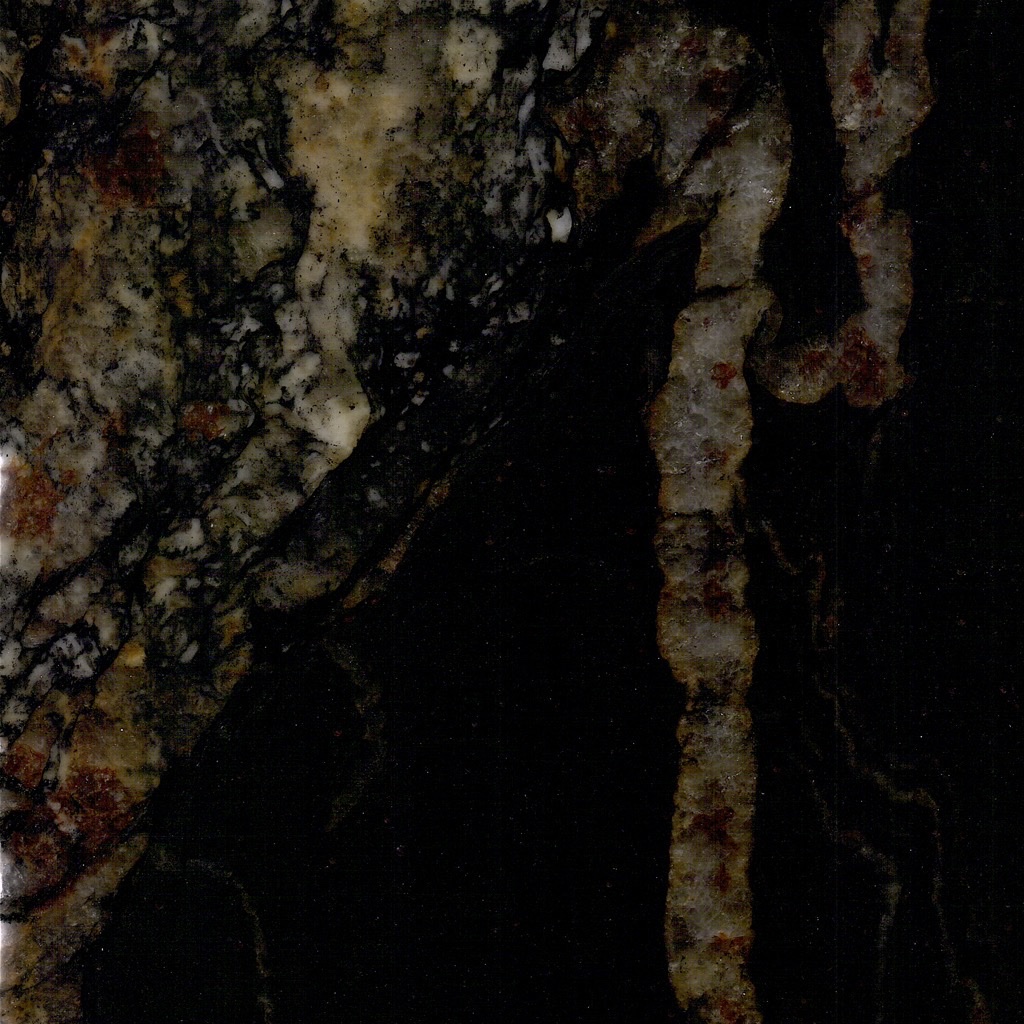
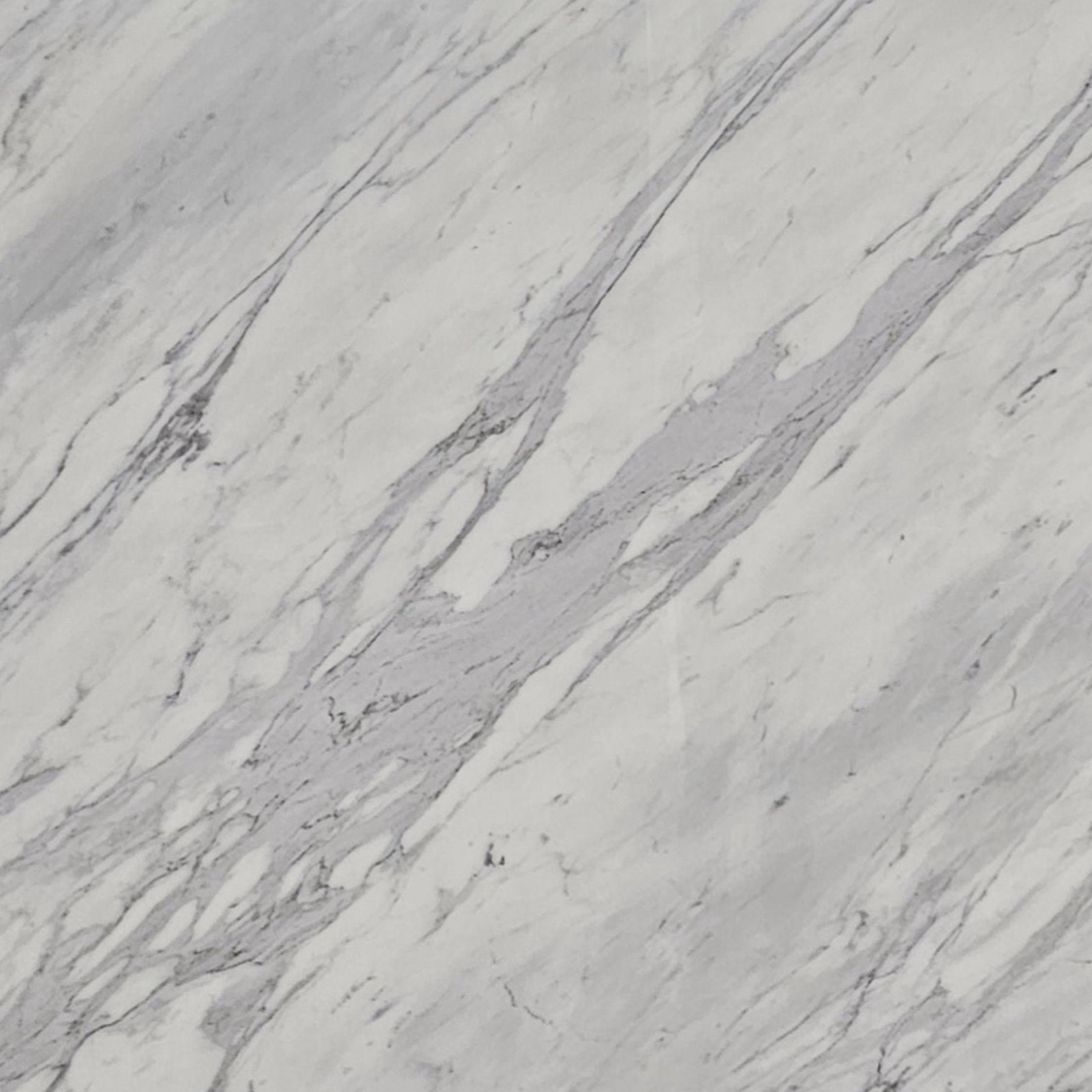
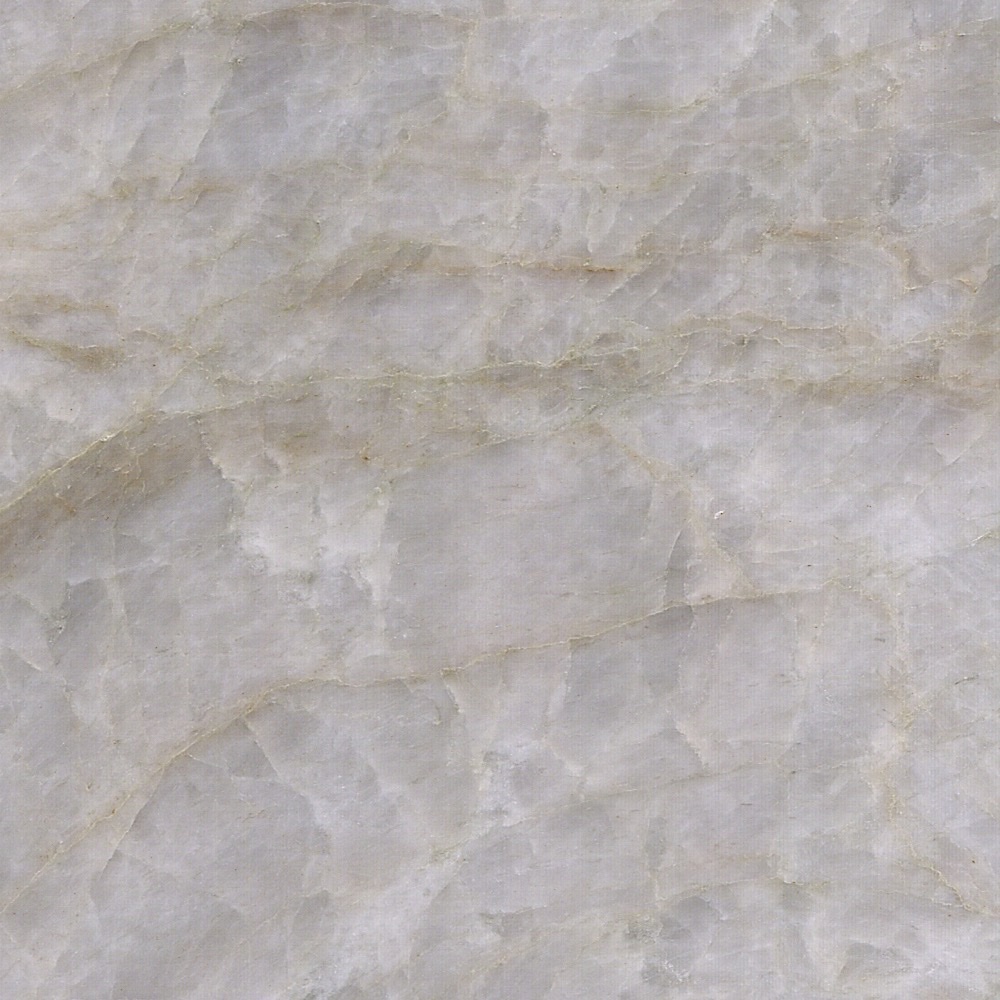
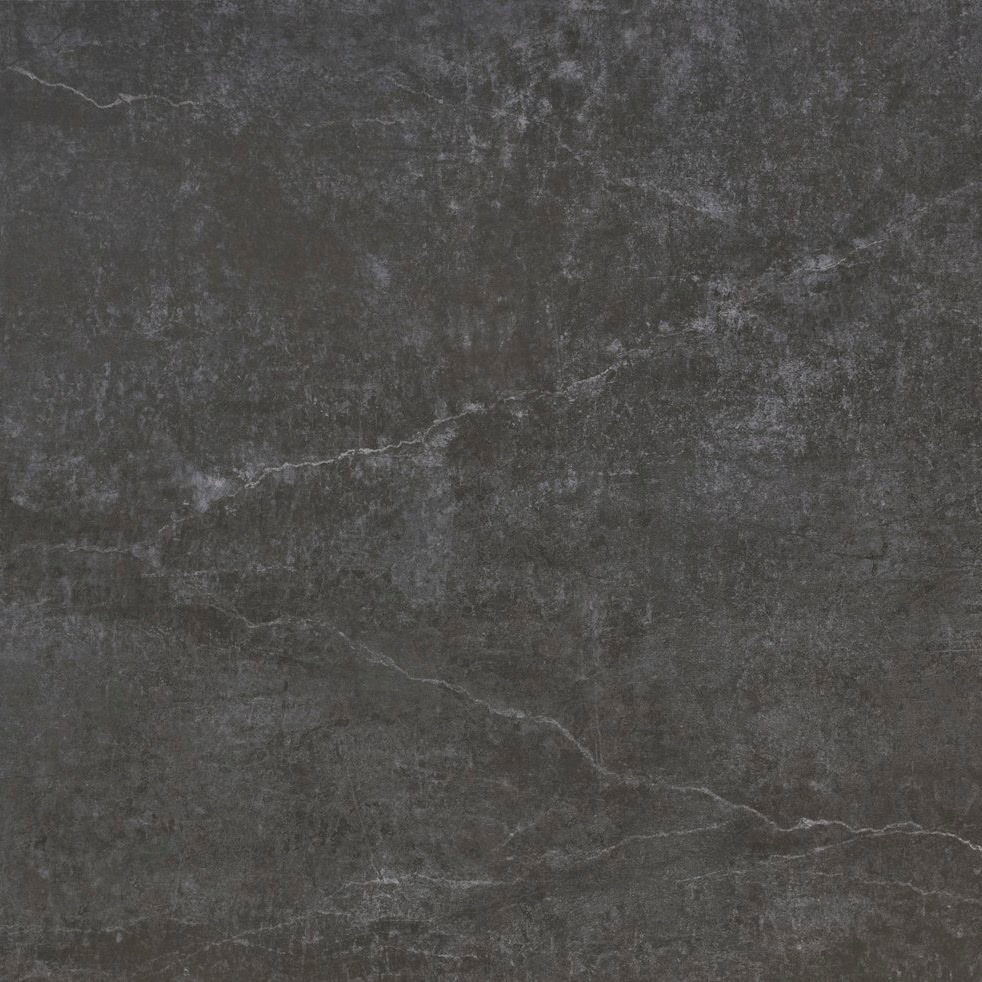
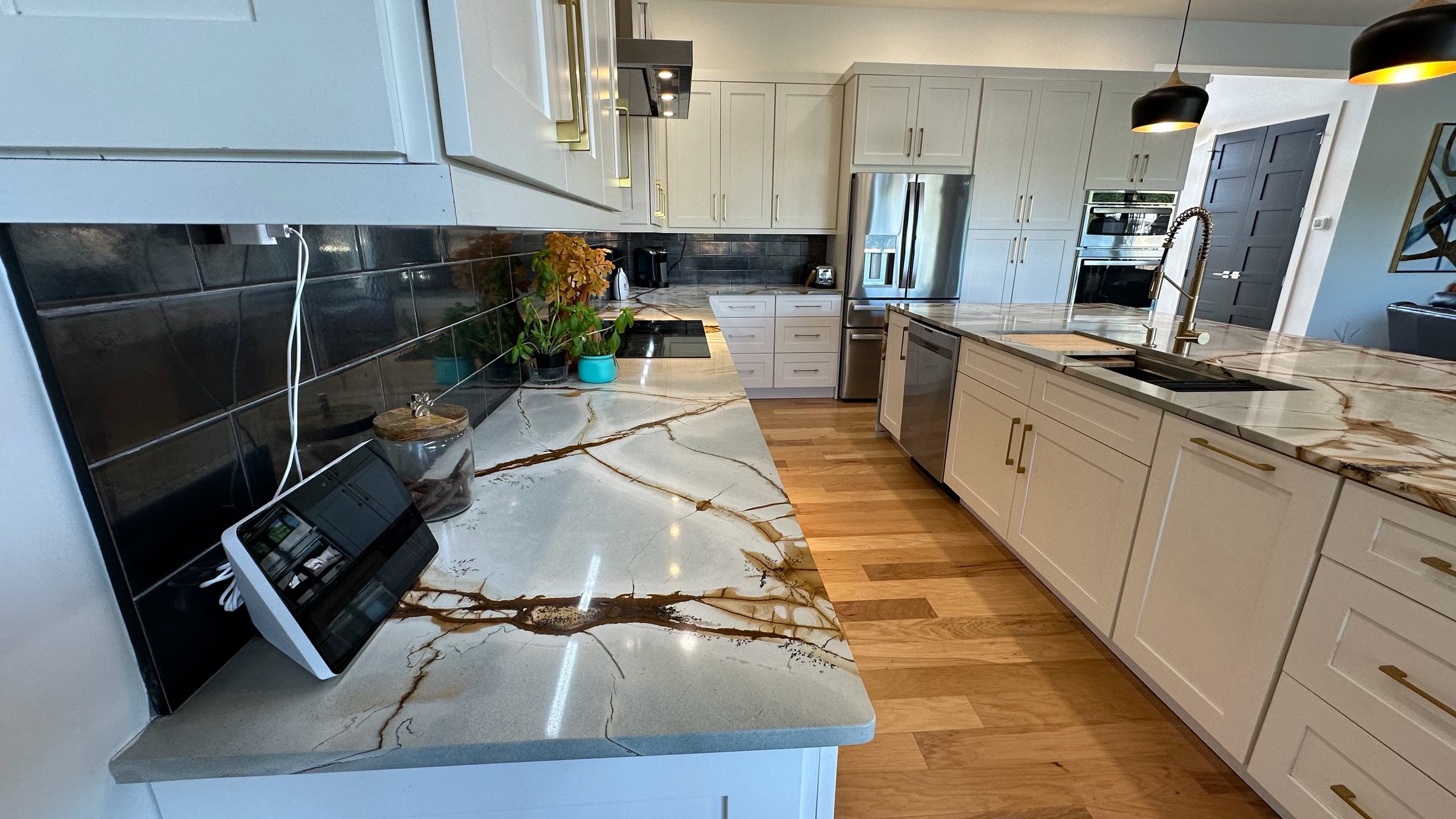
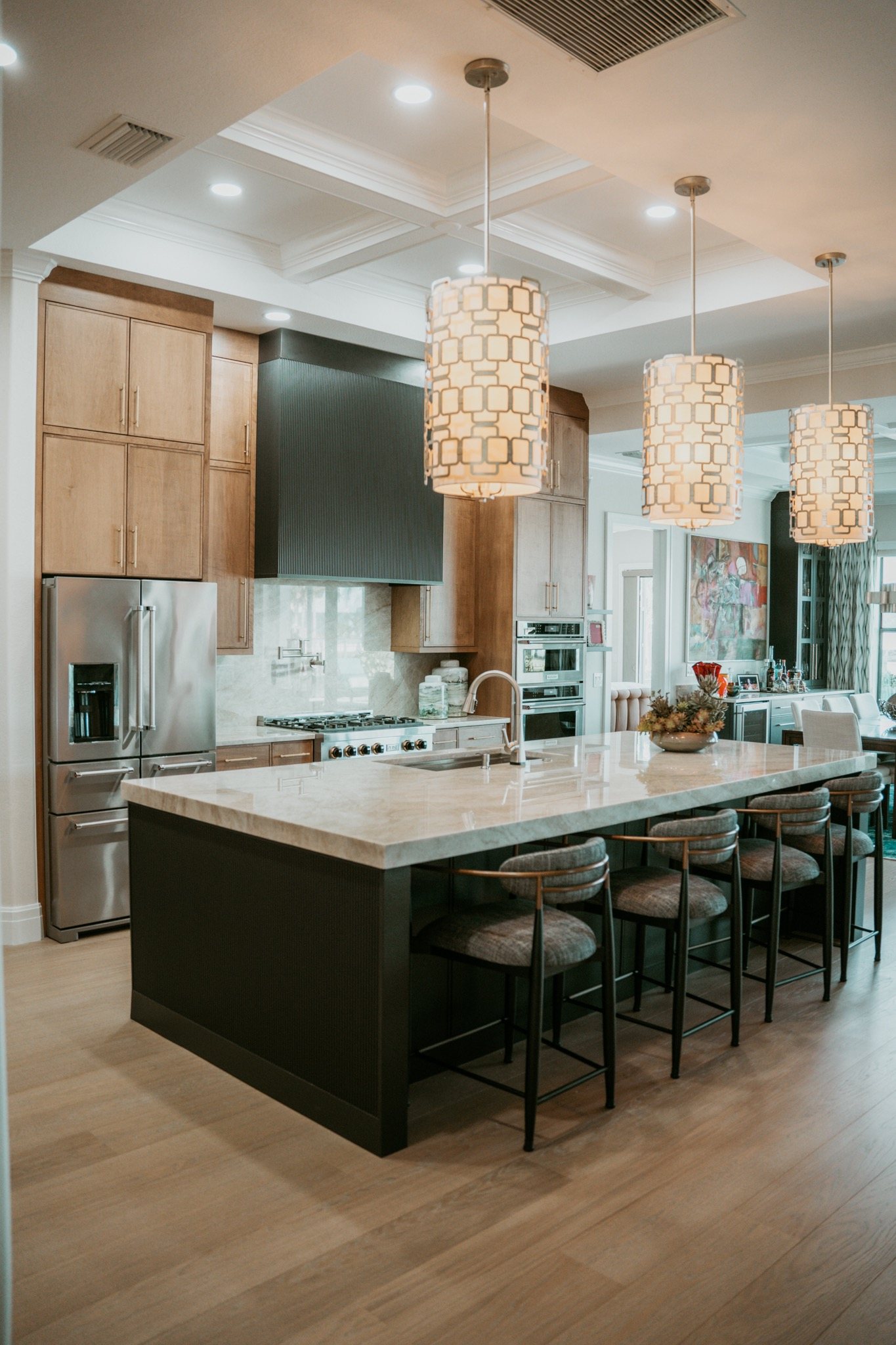
Quartz can be a plain white, a soft concrete look, a warm neutral or a convincing marble-style vein. The veining is designed into the slab, so it’s more regular than natural stone. That predictability is a plus on a large island or a run of matching baths, and a minus if you want surprise. Many quartz lines imitate Carrara-style white, so ask to see a few side by side instead of relying on names.
Browse our stone colors page to narrow things down. Viatera patterns such as Calacatta Sol and Calacatta Plata appear in the catalog as marble-style whites, which makes them a handy reference point if you’re weighing veined quartz from more than one maker. The photos there are product photos from the makers, so treat them as a starting point. Lighting changes quartz more than people expect, particularly whites and greys, so check candidates under the showroom lights and then in daylight.
Slab size and seams
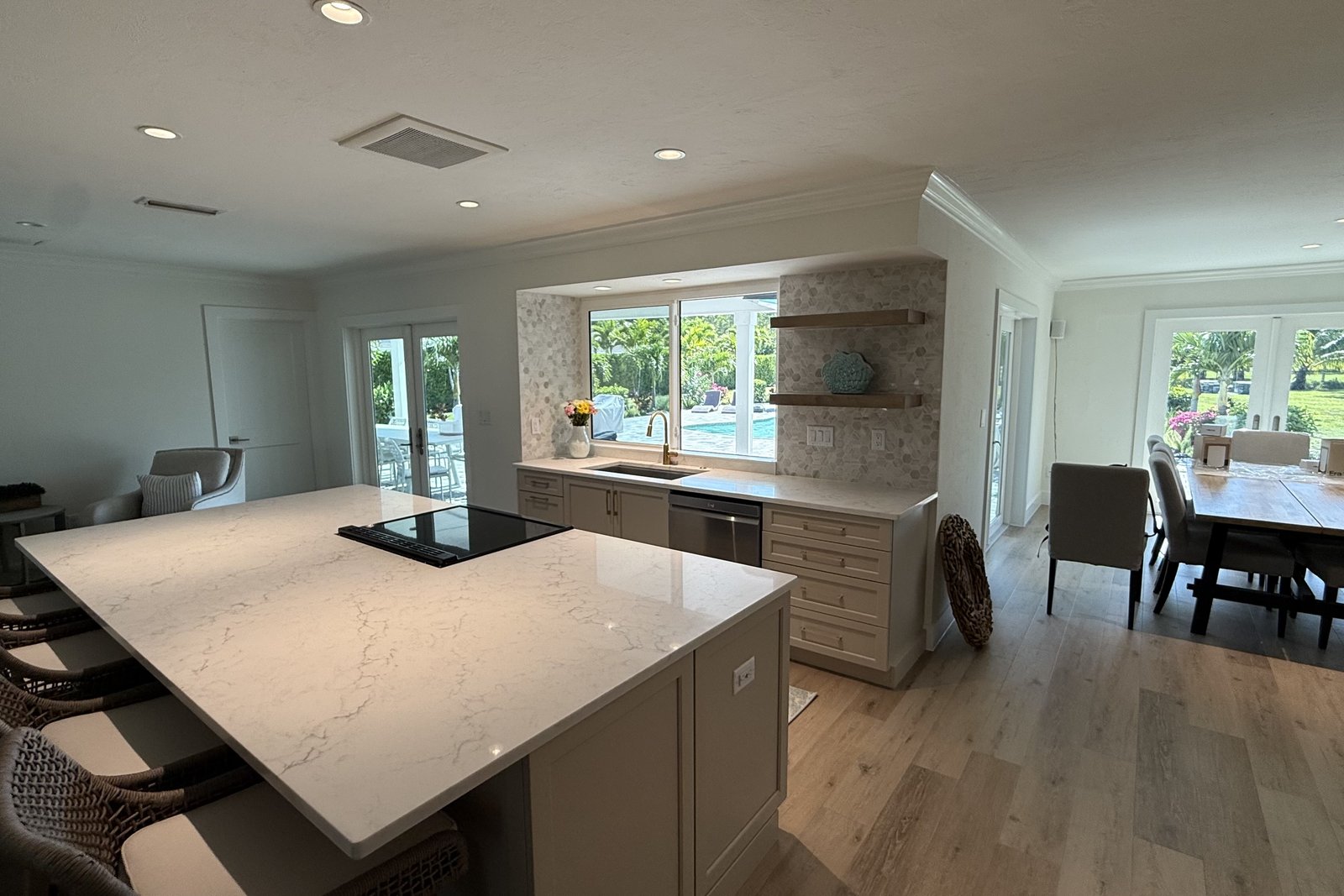
A larger slab can mean fewer seams on a long island or a wall of counters. Both makers list large formats, so ask which slab size applies to your color and how your layout fits on it. Seams are a layout choice as much as a size choice, and you approve their placement at the layout review before we cut. Very light colors tend to show seams more than busy patterns do.
Finish and thickness
Ask about the finish, since polished and matte surfaces look and feel different, and about the thickness available, since that affects edge profiles. Look at an edge sample, not only a flat one, and hold it where your kitchen light will hit it.
A short checklist for any brand
- Which collection is the slab in, and does it come in the size your layout needs?
- What does the maker’s care guide say about heat, cleaners and sunlight?
- Where will the counter sit? A sunny lanai slider and a shaded galley kitchen are different situations.
- How will the veining or pattern land on your island, your longest run and any seam?
- What are the maker’s current coverage terms, and what do they require of you?
Write the answers down for each slab you’re considering. When two slabs tie on looks, the answers usually break the tie, and it keeps you from choosing on a brand name alone.
Why You Should See the Slab First
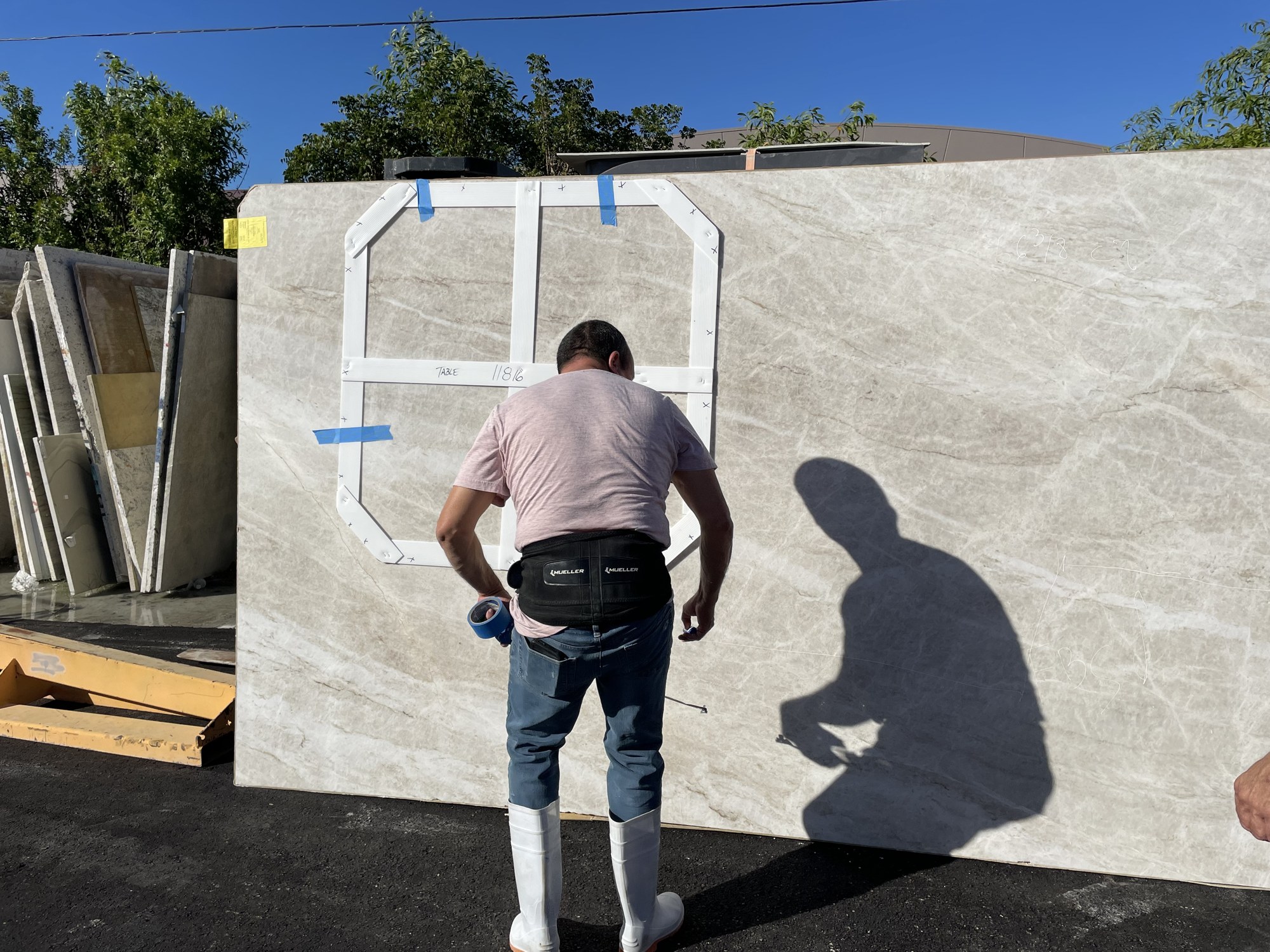
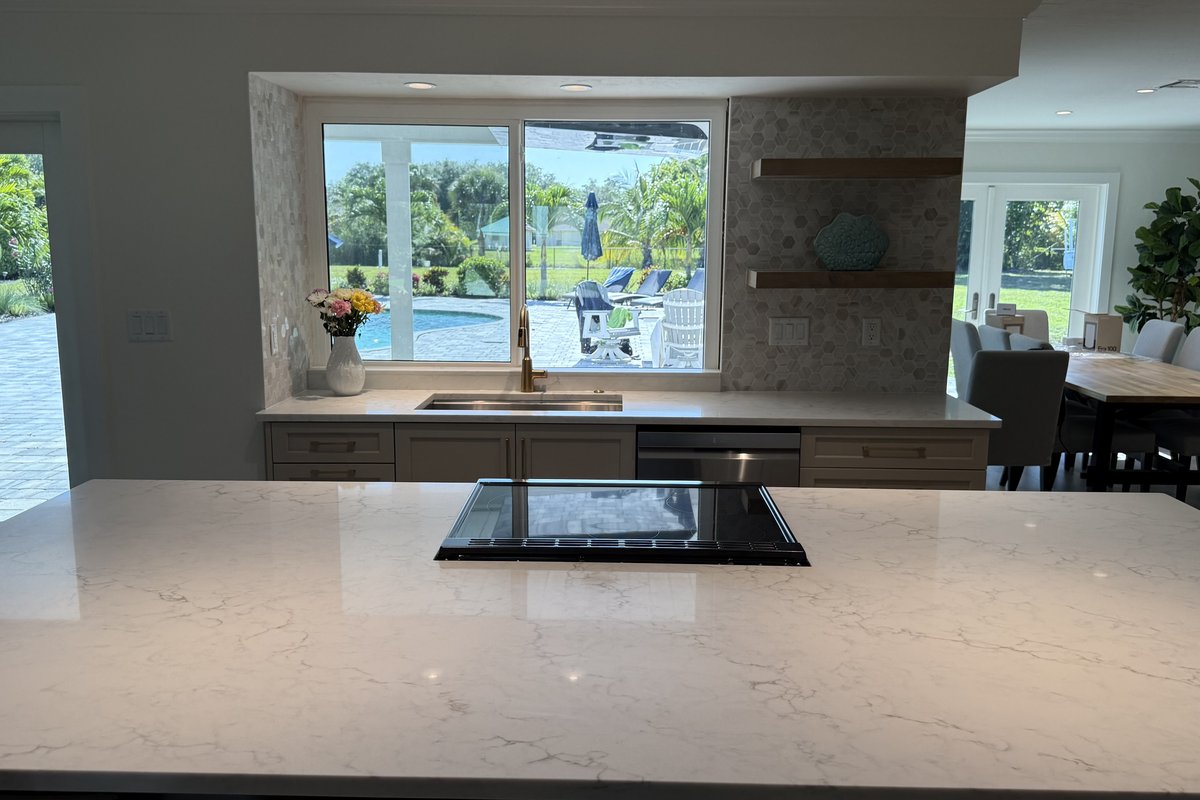
A catalog photo or small sample shows the idea. The full slab shows how the pattern really moves across a large surface. Two slabs from the same collection can differ slightly in tone and pattern, even though quartz is far more uniform than natural stone.
Coverage terms are the other thing to read before you decide. They vary by maker and by product, and they can come with conditions, such as registering the surface. Read the maker’s current terms yourself instead of relying on a summary, including ours.
One practical note for Southwest Florida: standard quartz is an indoor material. Most makers don’t recommend it for direct, prolonged sunlight, because UV can discolor the resin over time. For a lanai or grill island, we’d look at natural stone, porcelain or Dekton. Our quartz countertops page covers where each material belongs. And if you live in a condo or high-end home where the building has its own rules about work and deliveries, our Naples countertops page explains how those projects tend to differ.
Frequently Asked Questions
What are some popular brands of quartz countertops?
Cambria and Viatera are two names we install, and there are others on the market. Popularity doesn’t make a slab right for your kitchen, so compare the real slabs you like.
What’s the most popular quartz countertop?
Soft white and warm neutral quartz, including marble-style veined whites, is what homeowners ask us about most. That changes with trends, so choose a color you’ll enjoy living with.
Is one quartz brand better than another?
We don’t rank them. Each maker offers its own colors, slab sizes and coverage terms. The best choice is the slab you like, in a collection that fits your layout, from a maker whose terms you’ve read.
Does the brand change how quartz is cared for?
The basics are the same: warm water, a soft cloth, mild soap, a trivet under hot pans and no abrasive cleaners. Still, follow the care guide from your own maker, since specifics differ.
Want to compare slabs from both makers side by side? Call (239) 362-0404 and we’ll tell you what we can show you, or request an estimate and bring your cabinet door and floor sample to the showroom.