

Taj Mahal Quartzite Countertops: Color, Veining and Slab Selection
Taj Mahal quartzite countertops are a natural stone with a creamy, warm background and soft golden veining, and they’re a popular choice for kitchens and islands. Before you commit, know three things: every slab reads differently, the stone needs sealing, and the name on a sample tag doesn’t guarantee what you’re buying. Here’s what to look for, so you can choose a slab with confidence.
What Taj Mahal Quartzite Countertops Look Like in a Real Kitchen
The color range
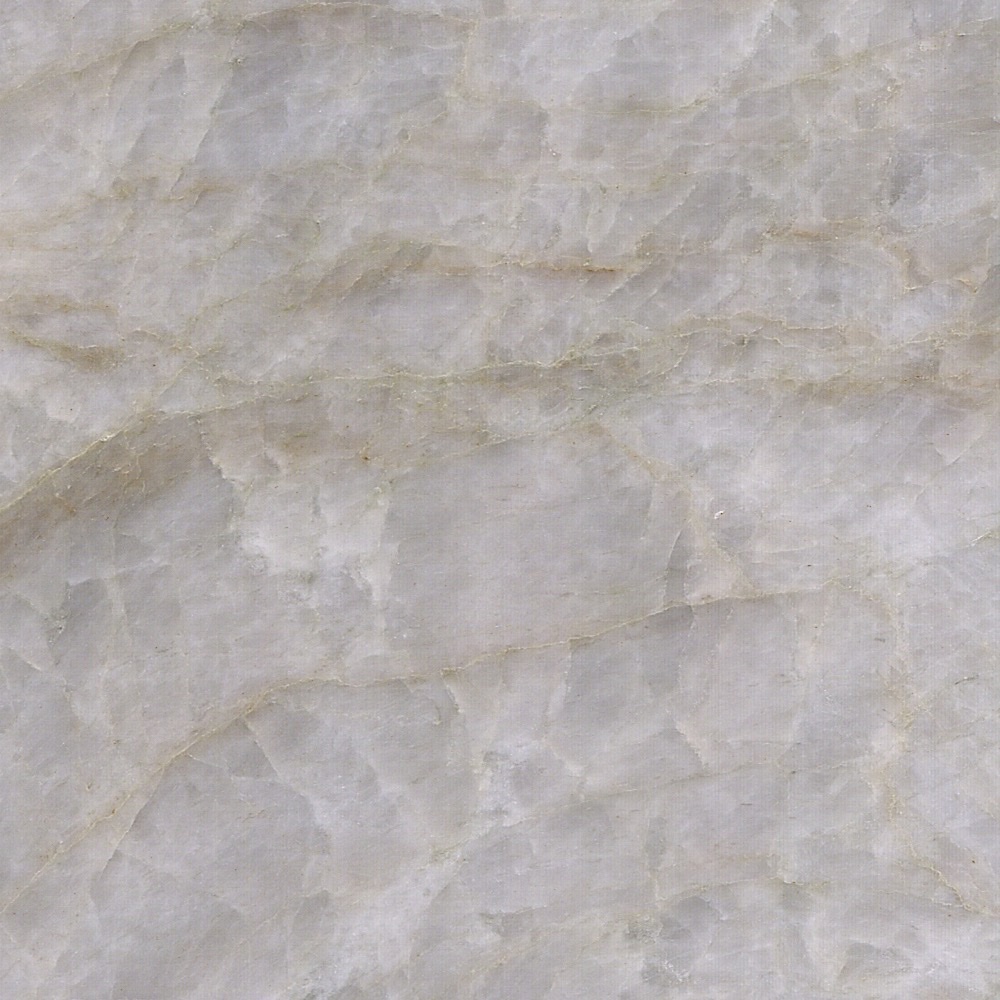
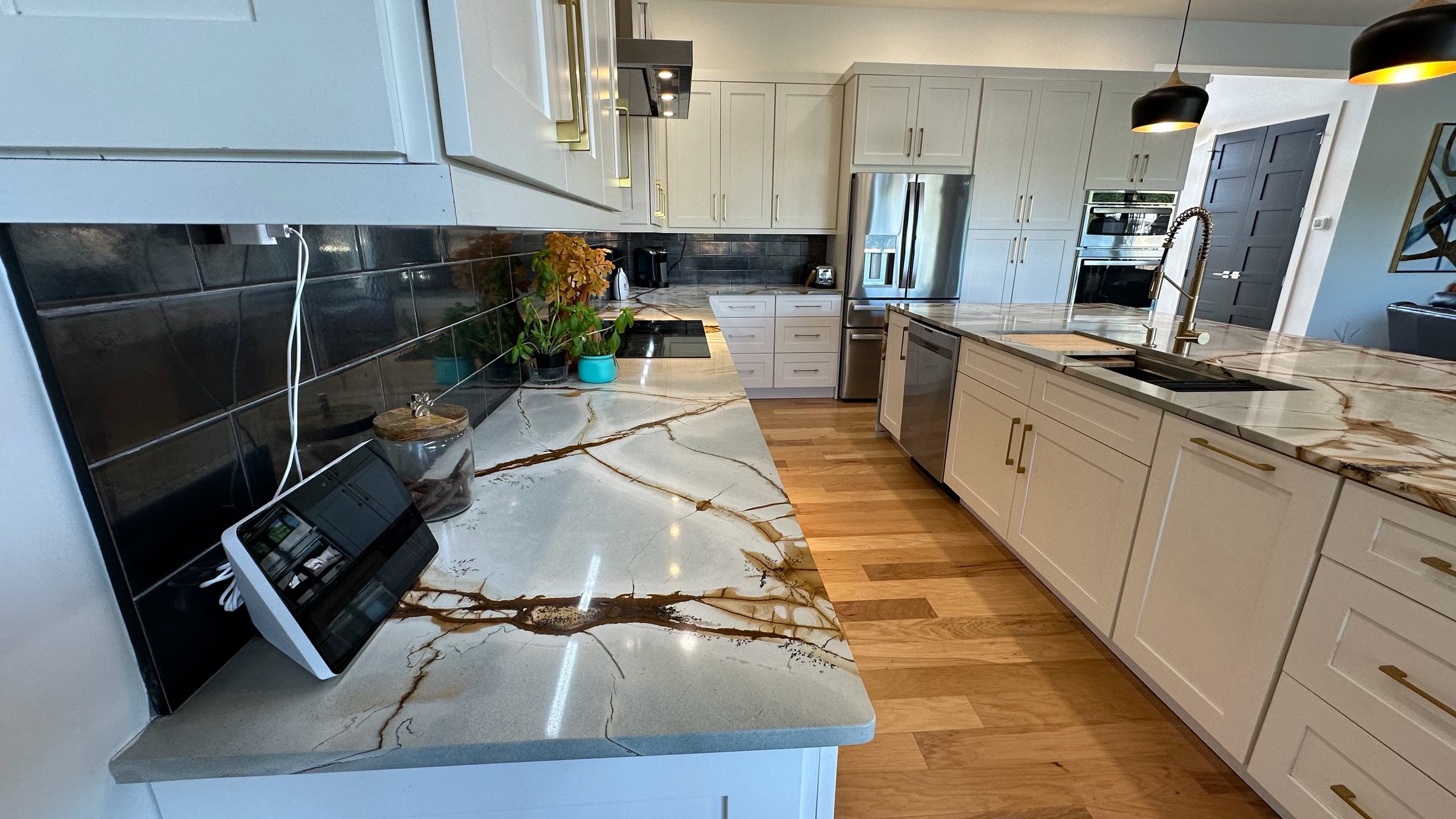
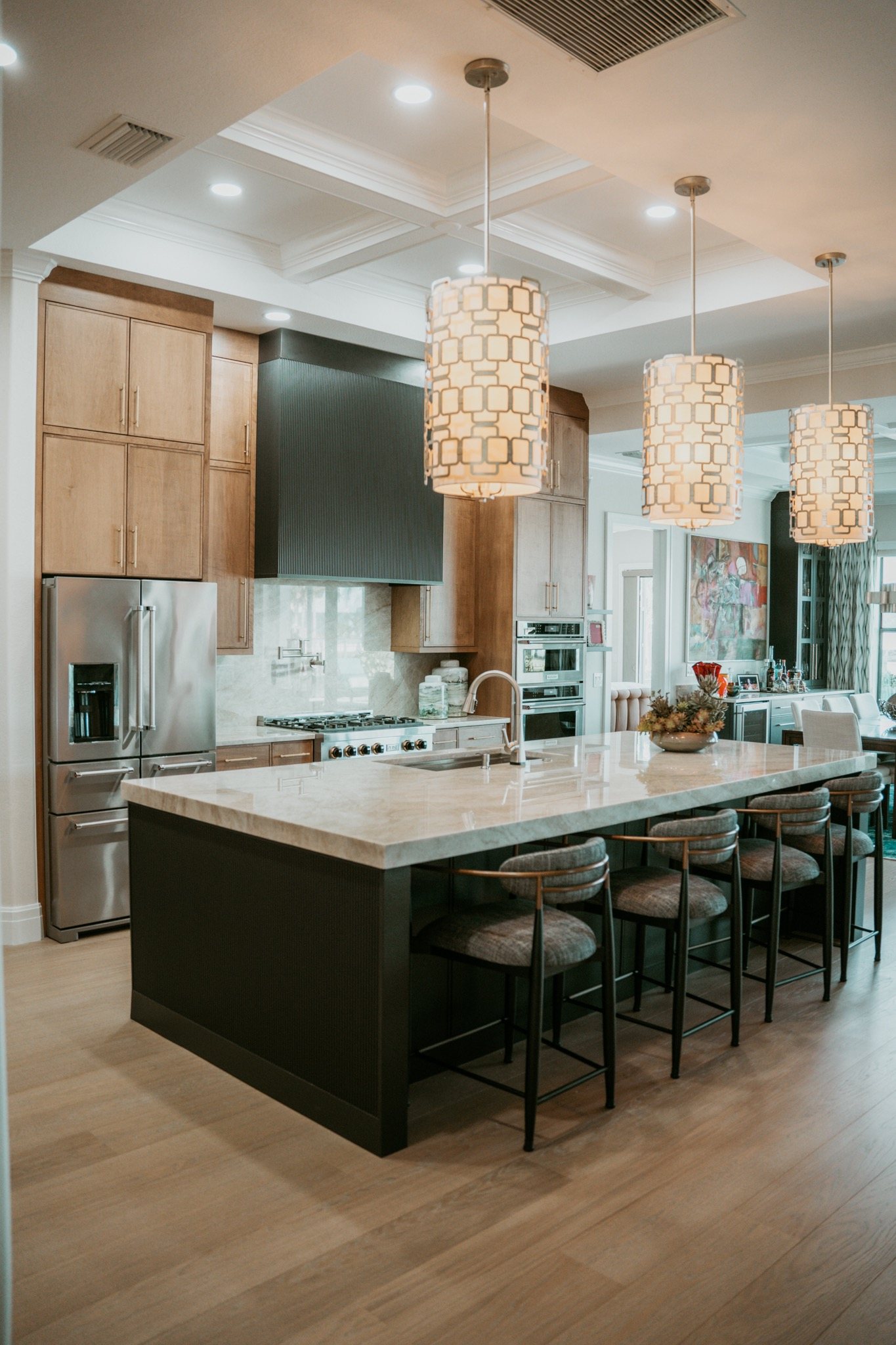
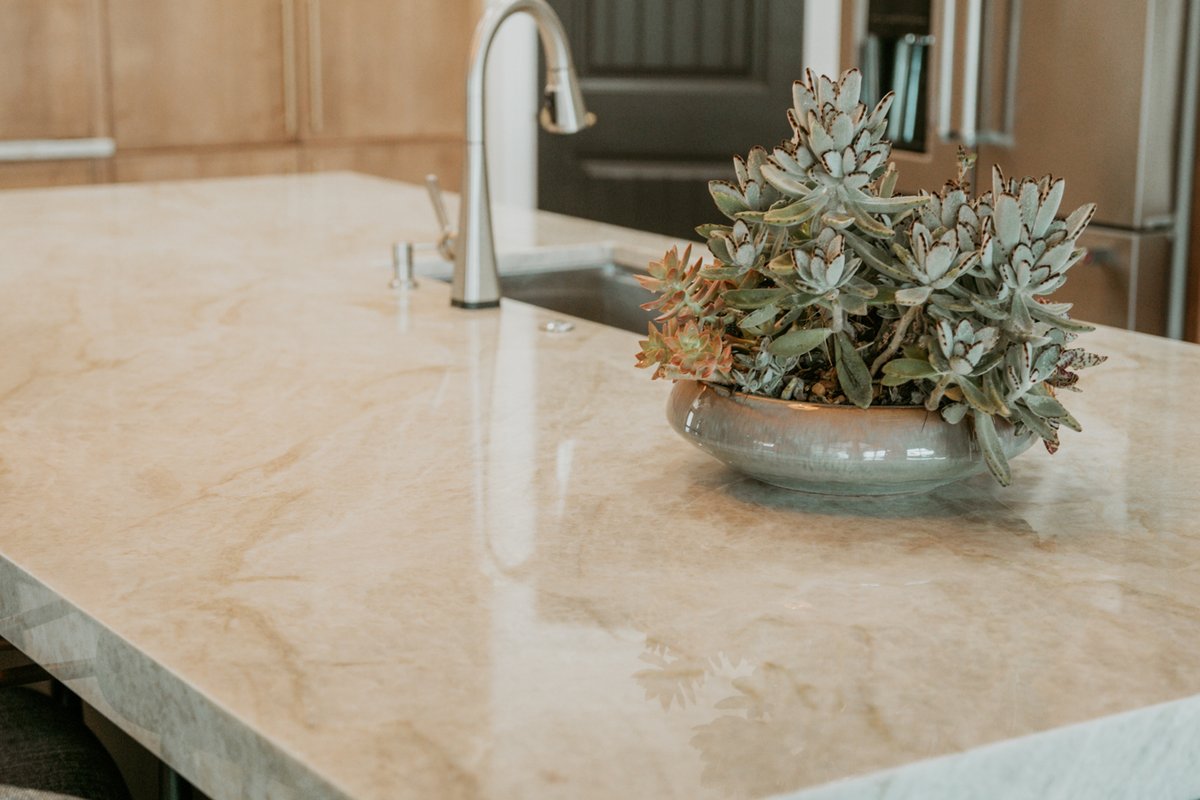
Taj Mahal is usually described as a creamy stone with soft golden veining. That’s the typical look, and it’s why the stone feels warmer than a stark white marble or a cool grey quartz. Depending on the light in the room, the background can look lighter and cooler or warmer and creamier.
It helps to know why quartzite carries color at all. According to Geology.com’s quartzite page, the stone is usually white to gray, and impurities such as iron can add pink, red, yellow, orange or brown tones. That’s the natural reason two slabs of the same stone can lean warmer or cooler.
Is it quartzite or quartz?
Taj Mahal is a natural quartzite, not engineered quartz. The names sound alike, which confuses plenty of buyers. Quartzite is quarried stone formed from sandstone under heat and pressure, and quartz is a manufactured slab made of ground quartz, resin and pigment. Some quartz colors are designed to look like Taj Mahal, but the real thing is quarried stone, so we always suggest seeing the actual slab. Our comparison of quartz vs quartzite goes through the difference in detail.
Geology.com gives quartzite a hardness of about seven on the Mohs scale and describes it as very tough. In daily use, that means a hard surface that handles regular kitchen work well, though it still deserves a cutting board and a trivet.
Slab Variation, Cabinets and Backsplashes
How much the slabs vary
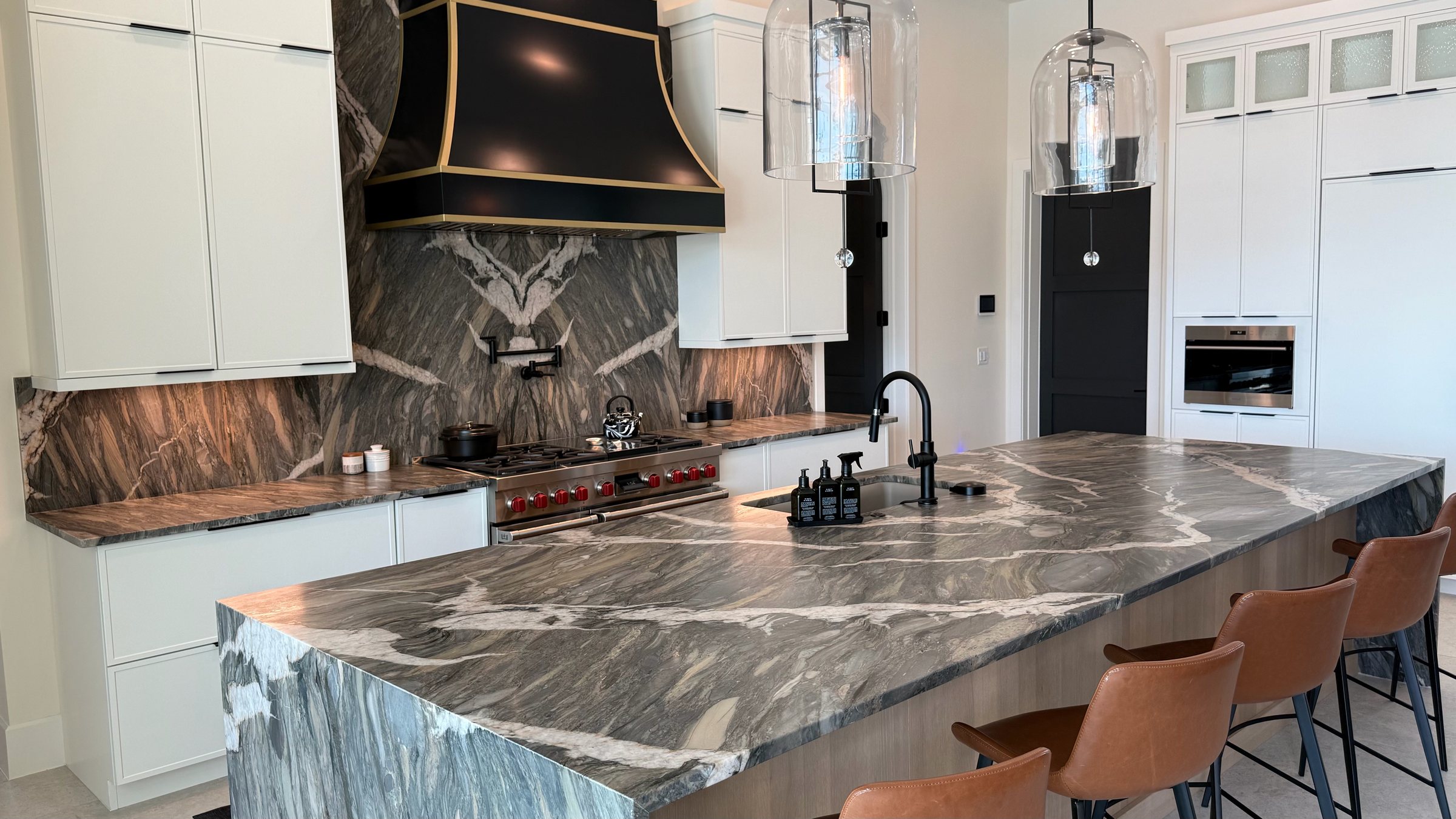
Natural stone varies from slab to slab and even from lot to lot. Two pieces sold under the same name can differ in background tone, vein direction and how much movement they carry. With Taj Mahal, that spread is part of the appeal and part of the risk.
- Background tone. Some slabs lean creamy and warm. Others read lighter and cooler.
- Vein weight. A few slabs have faint, delicate lines. Others show heavier, more visible bands.
- Movement. The veins can run in long sweeps or sit in short patches, which changes how the pattern carries across an island.
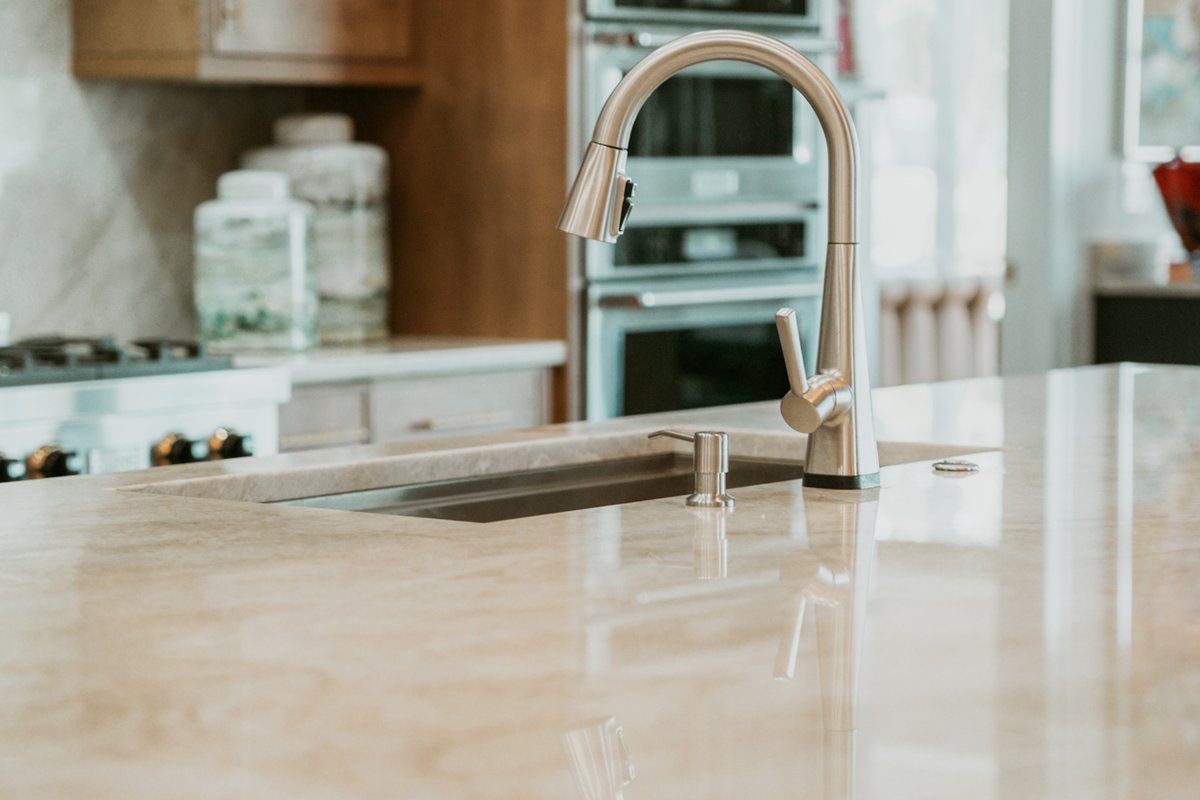
- Finish. Polished stone shows more depth and reflects more light. A honed finish looks softer and flatter.
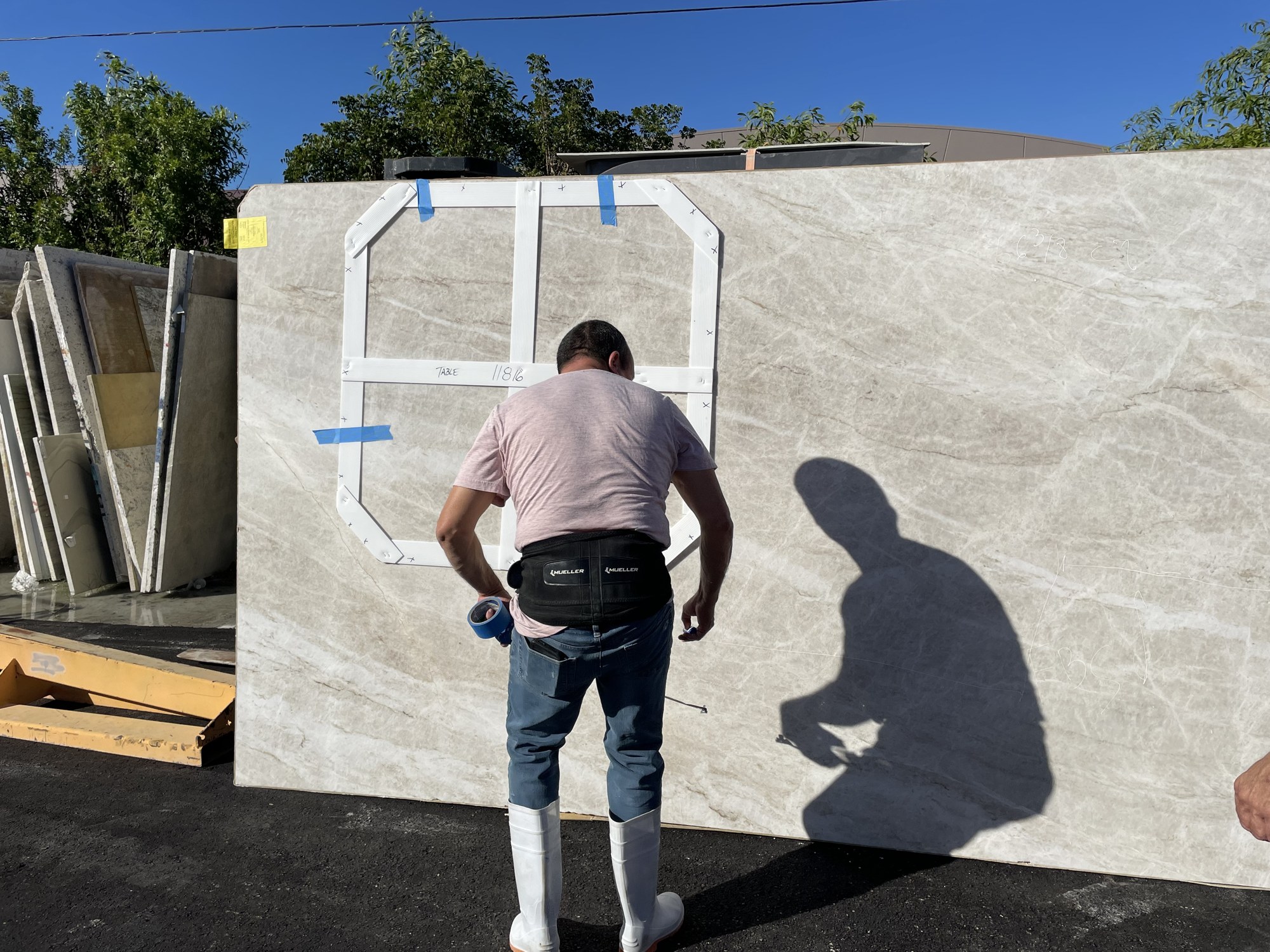
A photo or a hand-sized sample shows you the idea, but a full slab shows how the pattern actually moves. If you have a long island, a waterfall end or a full-height backsplash, ask how the veining will fall across those pieces before anything is cut. At our layout review, you approve how the slab will be cut, including where seams and veining land, before we cut.
Watch for look-alikes
Because demand for quartzite is high, some stones sold under the quartzite label are actually softer materials such as dolomite or marble. They can be lovely, but they scratch and etch differently. Ask how a particular slab was classified and how it should be cared for. The answer should be specific, not a shrug.
Pairings that work
Its creamy tone gives you room to play. These pairings are common:
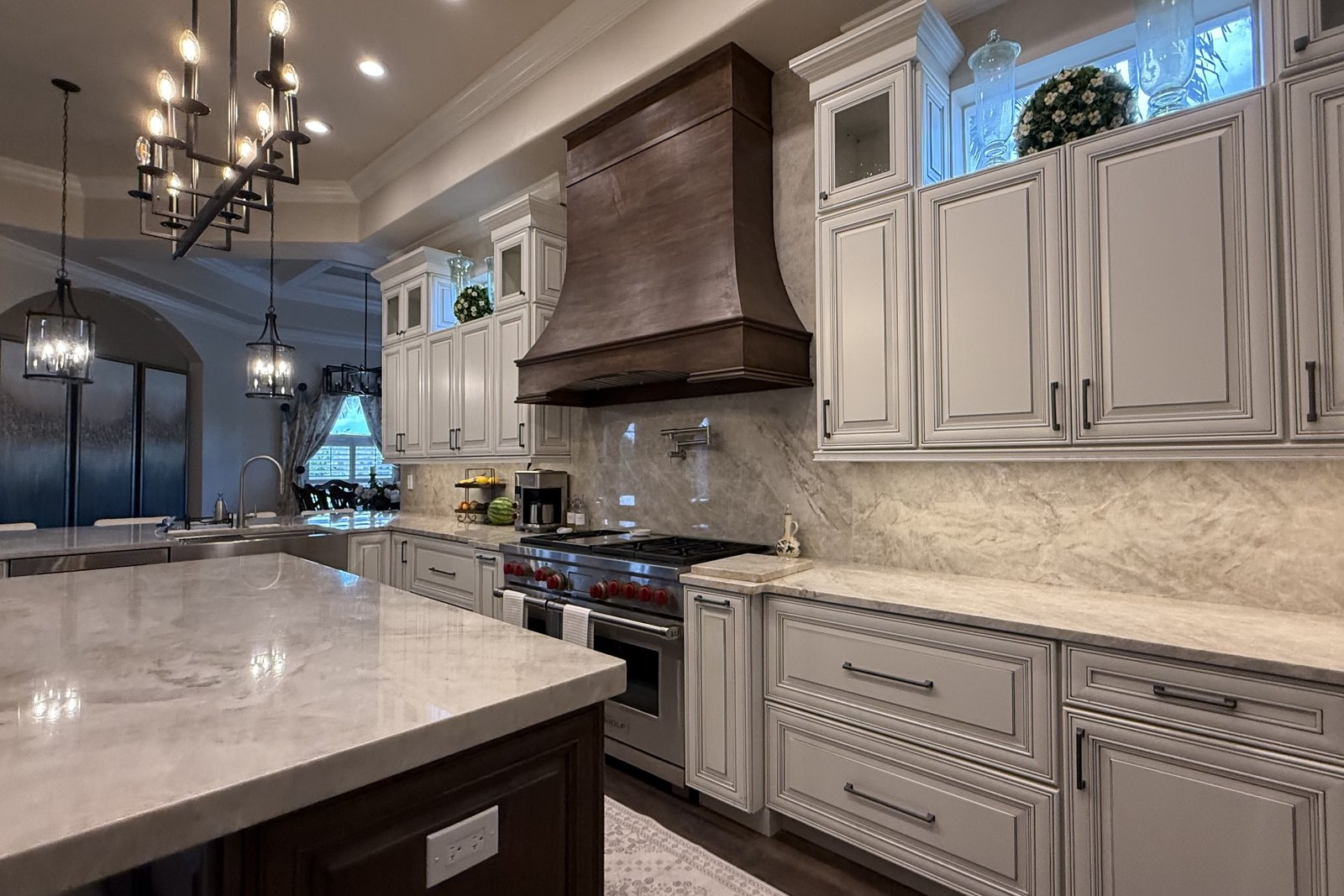
- White or soft off-white cabinets. The stone’s warm cream background keeps the kitchen from feeling stark, and the gold veining picks up brass or warm metal hardware.
- Natural wood or stained cabinets. Wood tones draw out the warmer veins, and the pale stone keeps the room from feeling heavy.
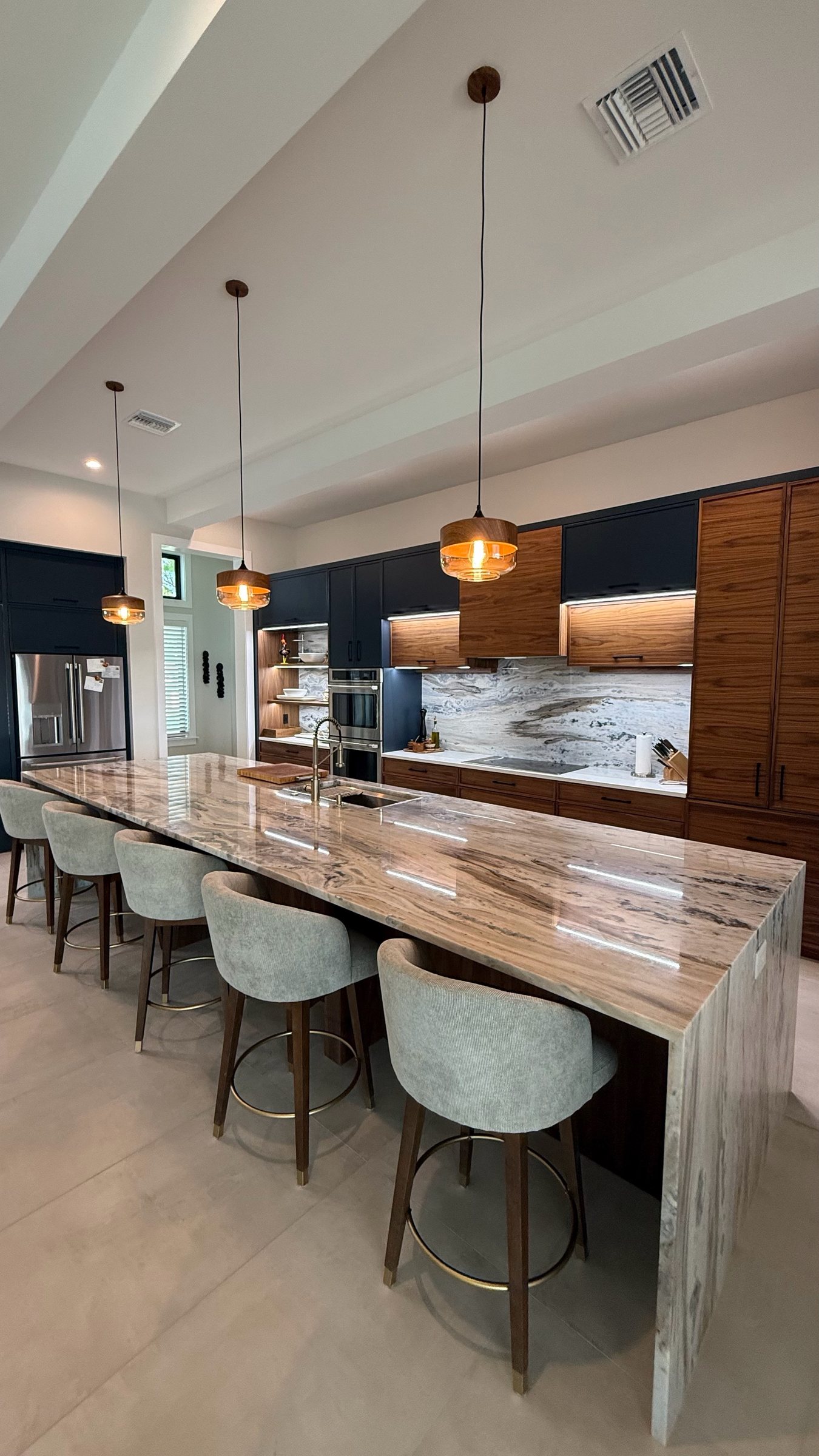
- Deeper colors, such as navy or green. The creamy stone softens the contrast, which suits an island in a different color than the perimeter.
For the backsplash, a simple tile or the same slab carried up the wall lets the stone do the talking. If the countertop has plenty of movement, keep the backsplash quiet. If you’re comparing other options in the same family, you can browse them in our stone colors catalog, where Taj Mahal is listed.
Lighting changes everything here. Look at the slab in the showroom lighting, then in daylight if you can, and hold a cabinet door or paint chip beside it. A color that looks creamy next to a white door can look yellow next to a cool grey one.
Care, Sealing and Choosing Your Slab
Care and sealing
Quartzite is treated as a porous stone and generally wants sealing, so plan for it. A sealer slows staining, but it doesn’t make the stone stain proof, so wipe up oil, wine, coffee and citrus soon. How often a slab needs resealing depends on the slab and the sealer, so follow the label on the product and ask us about your slab.
The water-drop test is the easy check. Put a few drops on the surface and wait a few minutes. If the water beads up, the sealer is working. If the stone darkens and soaks it in, it’s time for a fresh coat.
For daily cleaning, use warm water, a soft cloth and a mild soap or a pH-neutral stone cleaner. Skip bleach, harsh disinfectants, acidic cleaners and scouring powders, which can wear down the sealer and dull the polish.
Selecting your slab in person
This is the step that decides whether you love the finished kitchen. Come to the showroom and walk the slabs with us. We don’t promise a particular slab will be on hand, so ask about what’s available when you visit and we’ll tell you what we can show you.
Bring your cabinet door or a photo, a flooring sample and your backsplash idea. Look for the following:
- The vein pattern across the full slab, not one corner.
- Any visible fissures or pits. Natural stone has character, and you should decide which marks you can live with.
- The overall tone. Is it warmer or cooler than you pictured?
- Where seams would fall on your longest run.
Once you’ve picked a slab, we template at your home, you approve the layout on the slab itself, and our in-house fabrication at our Fort Myers facility cuts the stone using CNC equipment and digital templating. From templating to installation takes 10 business days. Our quartzite countertops page covers the stone in general, and our Naples countertops page covers how we work with homes and condos in that area.
Frequently Asked Questions
What are the typical colors of Taj Mahal quartzite?
A creamy background with soft golden veining. Every slab differs, so judge the color on the full slab in good light.
What color cabinets go best with Taj Mahal quartzite?
White and soft off-white cabinets are the common choice, and natural wood works well too. Deeper navy or green on an island can also look good, because the creamy stone softens the contrast. Hold a door next to the slab before you decide.
Is Taj Mahal quartzite trendy or classic?
It has been a popular choice for a while, and styles do shift. We’d say choose it because you like the warm, soft veining, not because it’s popular, and keep the cabinets and hardware simple so the stone carries the room.
What are the downsides of Taj Mahal quartzite?
It needs sealing, slabs vary widely, and some softer stones are sold under the name. Seeing the slab in person solves most of these concerns.
Want to see how a Taj Mahal slab looks in your light? Call (239) 362-0404 to ask what we can show you, or request an estimate and bring a cabinet door with you.