

HomeCountertopsGranite
Natural stone · Igneous
Granite Countertops in Southwest Florida
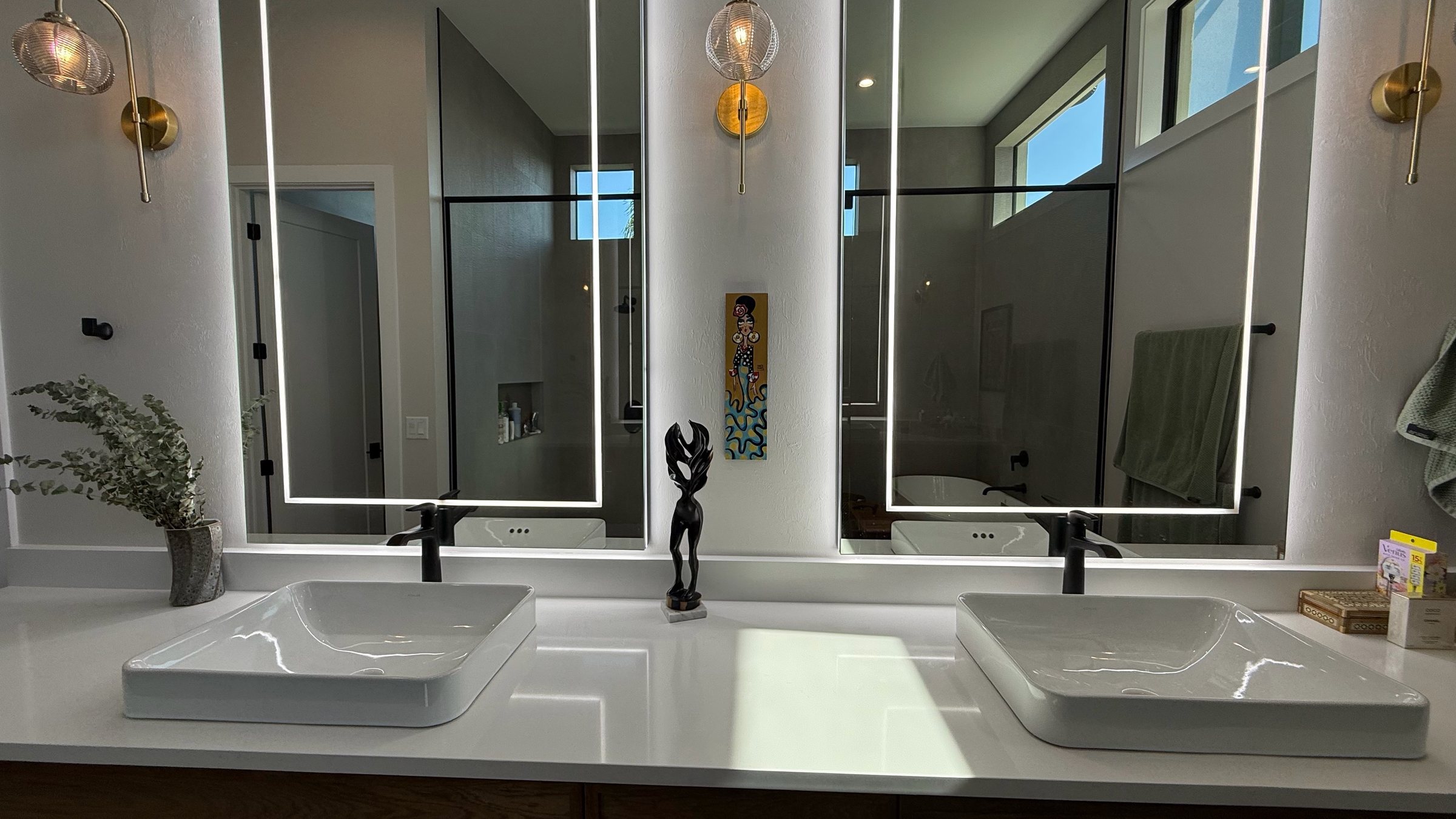
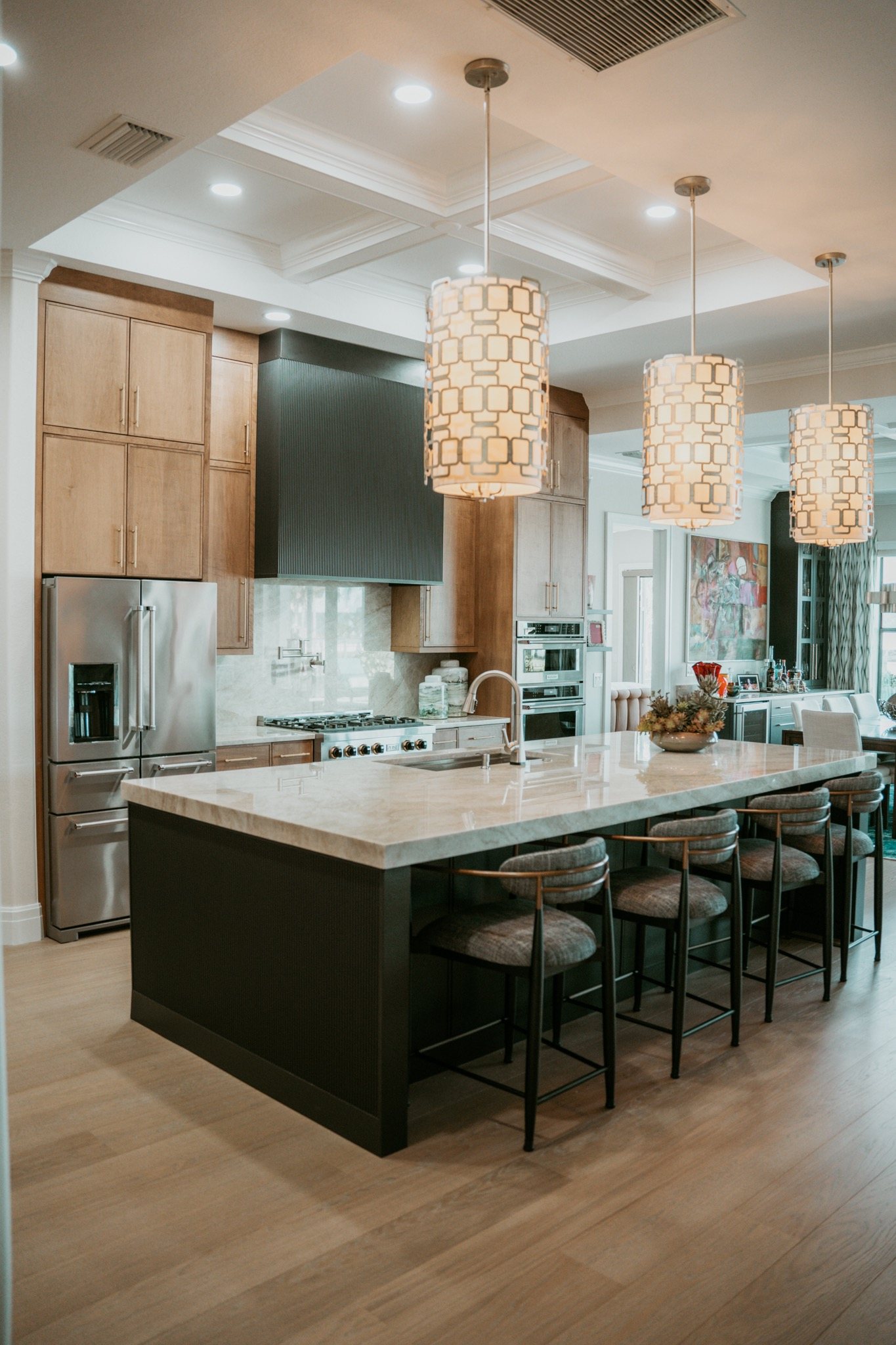
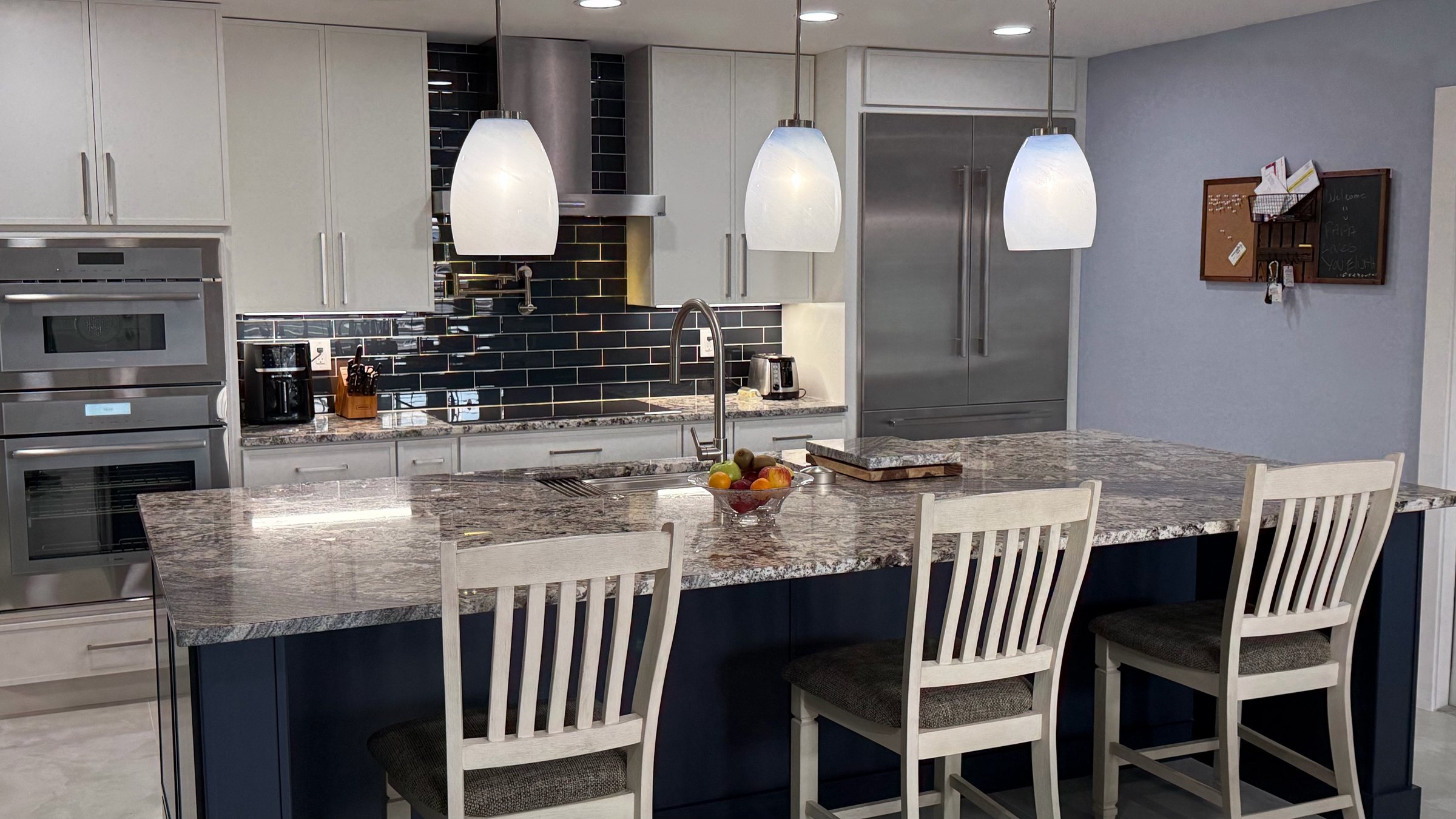
HB Marble & Granite fabricates and installs granite countertops for kitchens, islands, bathrooms, bars and outdoor kitchens across Southwest Florida. You choose the actual slab at our showroom, we template your cabinets, and you approve the layout before anything is cut.
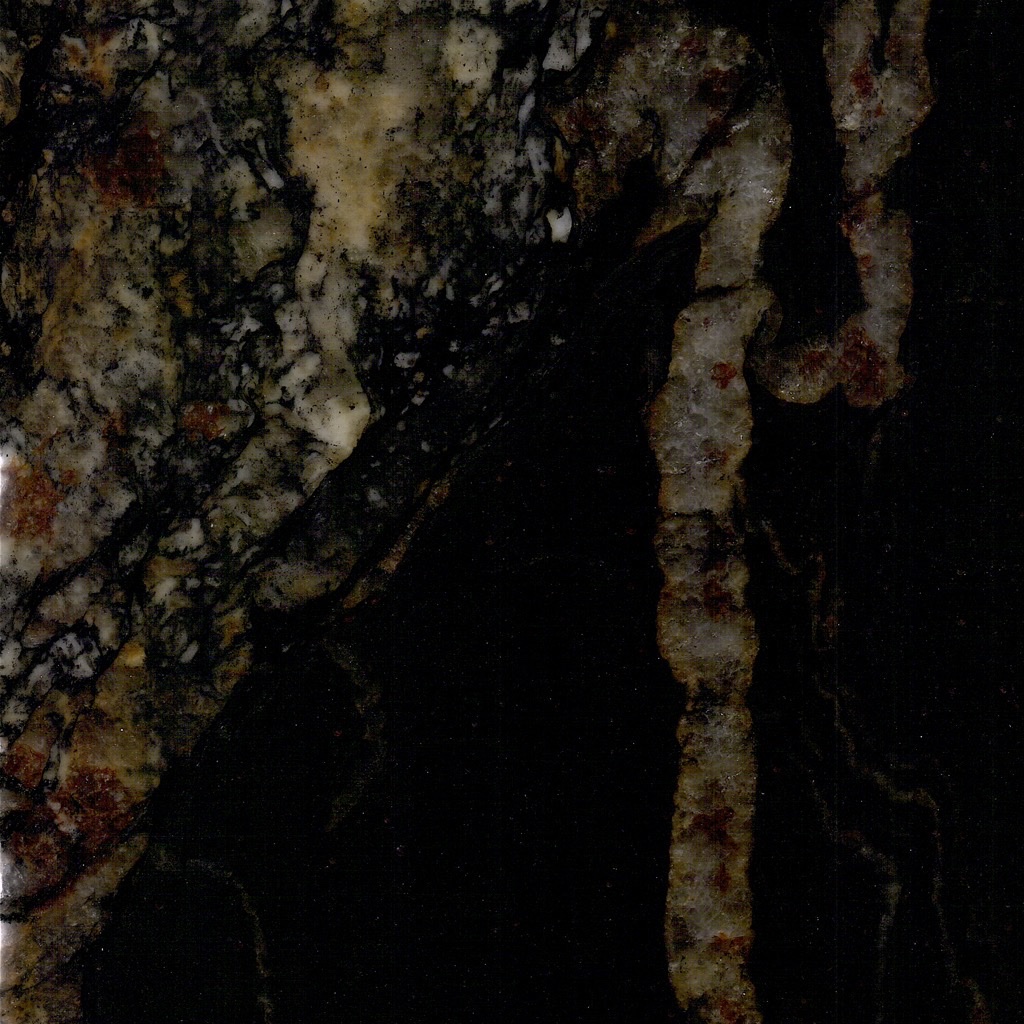
Granite is a natural igneous stone, so no two slabs match. That’s the appeal for most people who choose it: real mineral character, a hard surface that handles an active kitchen, and enough color range to suit nearly any cabinet style. This page covers what to expect from granite, how to care for it, and how it stacks up against the other stones we offer.
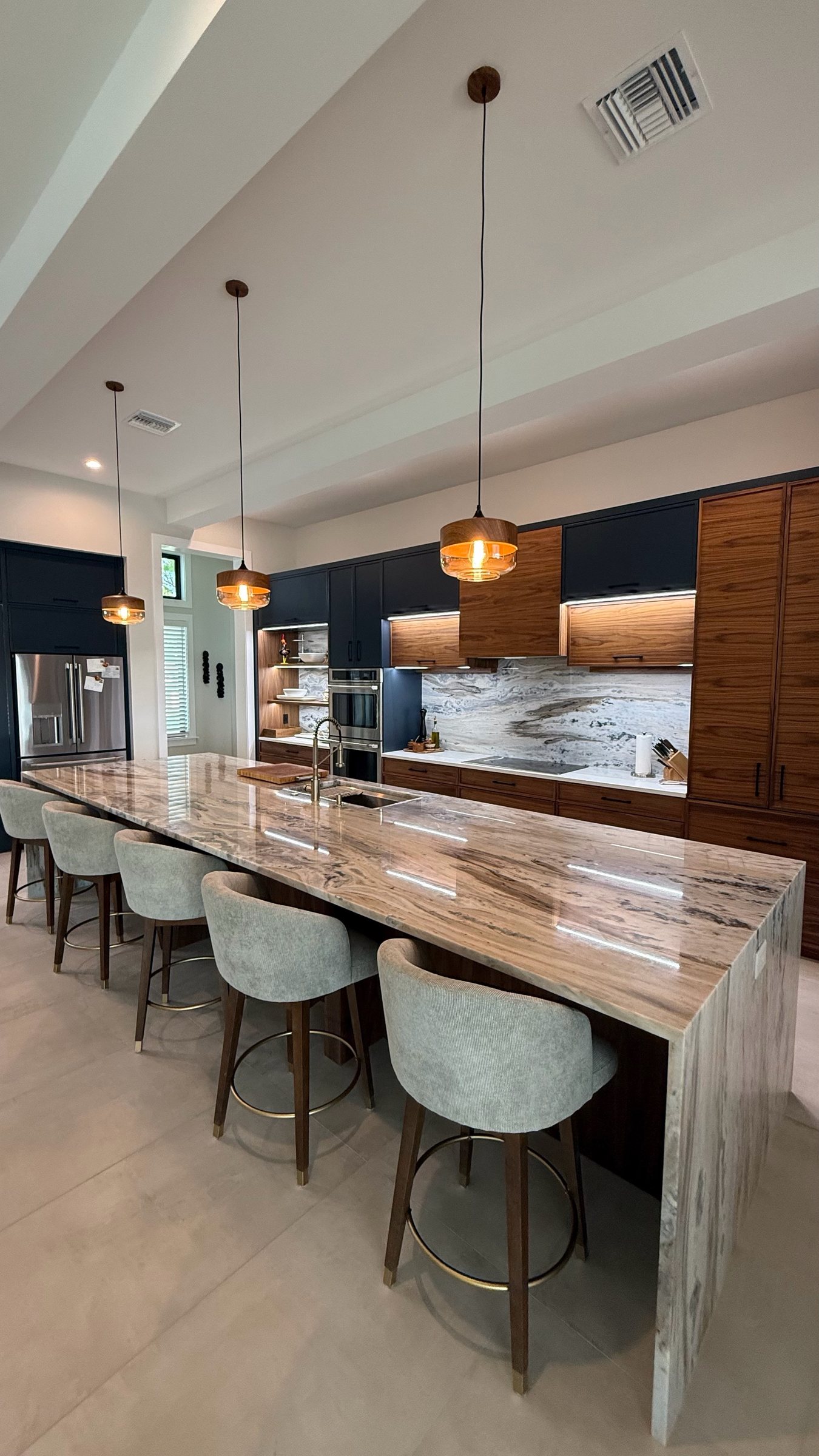
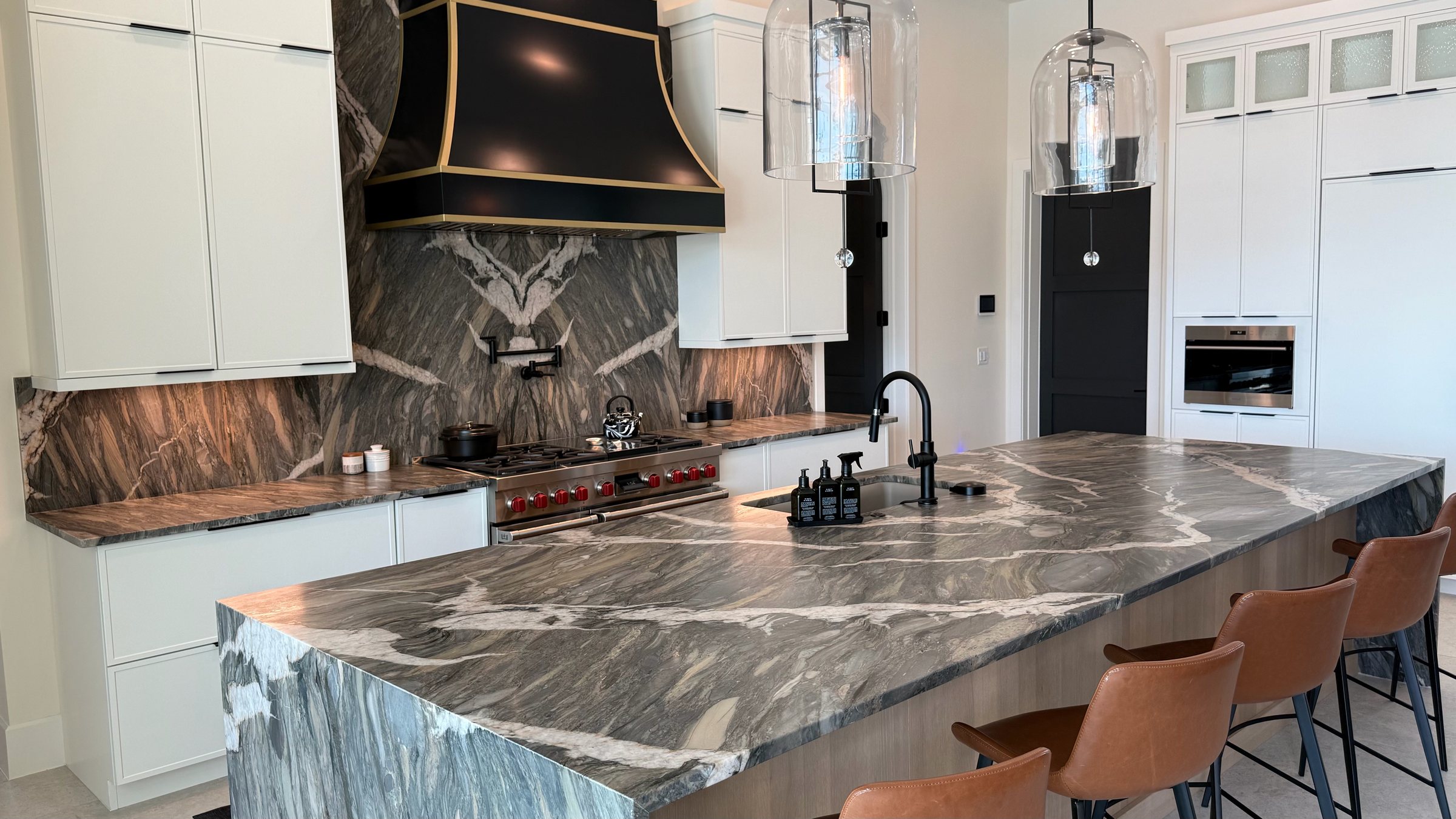
HB project · Granite kitchen
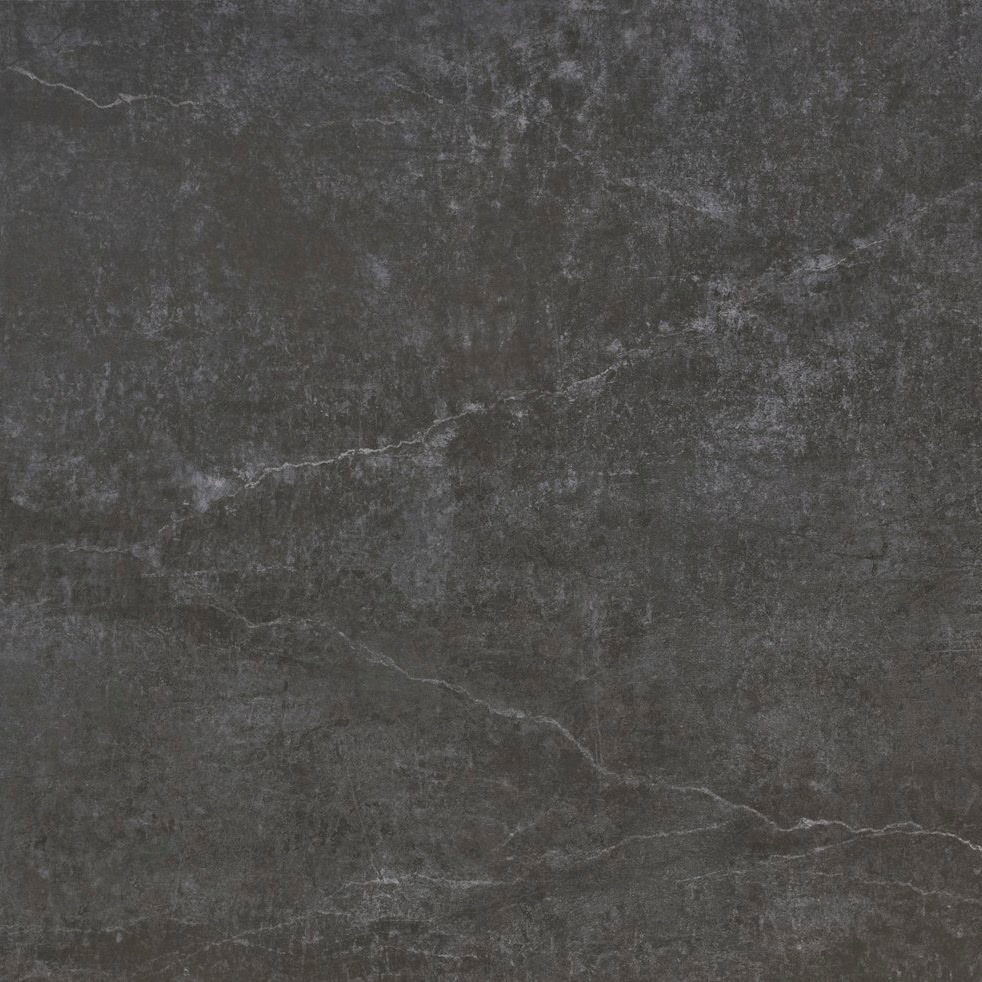
Black Cosmic granite, slab detail
Origin
Natural, quarried stone
Sealing
Periodic
Heat
Handles kitchen warmth well
Outdoors
Common lanai pick; some colors fade
Pattern
Speckled to heavily veined
Strengths
What Granite Does Well
01
Heat tolerance
Granite handles the warmth of a busy kitchen better than most surfaces. A trivet is still smart under a pot straight off the burner, mostly to protect the sealer and avoid thermal shock on a seam.
02
Scratch resistance
It’s one of the harder countertop materials, so everyday knife contact and sliding cookware rarely leave a mark. We still recommend a cutting board, because it protects your knives as much as the stone.
03
Natural variation
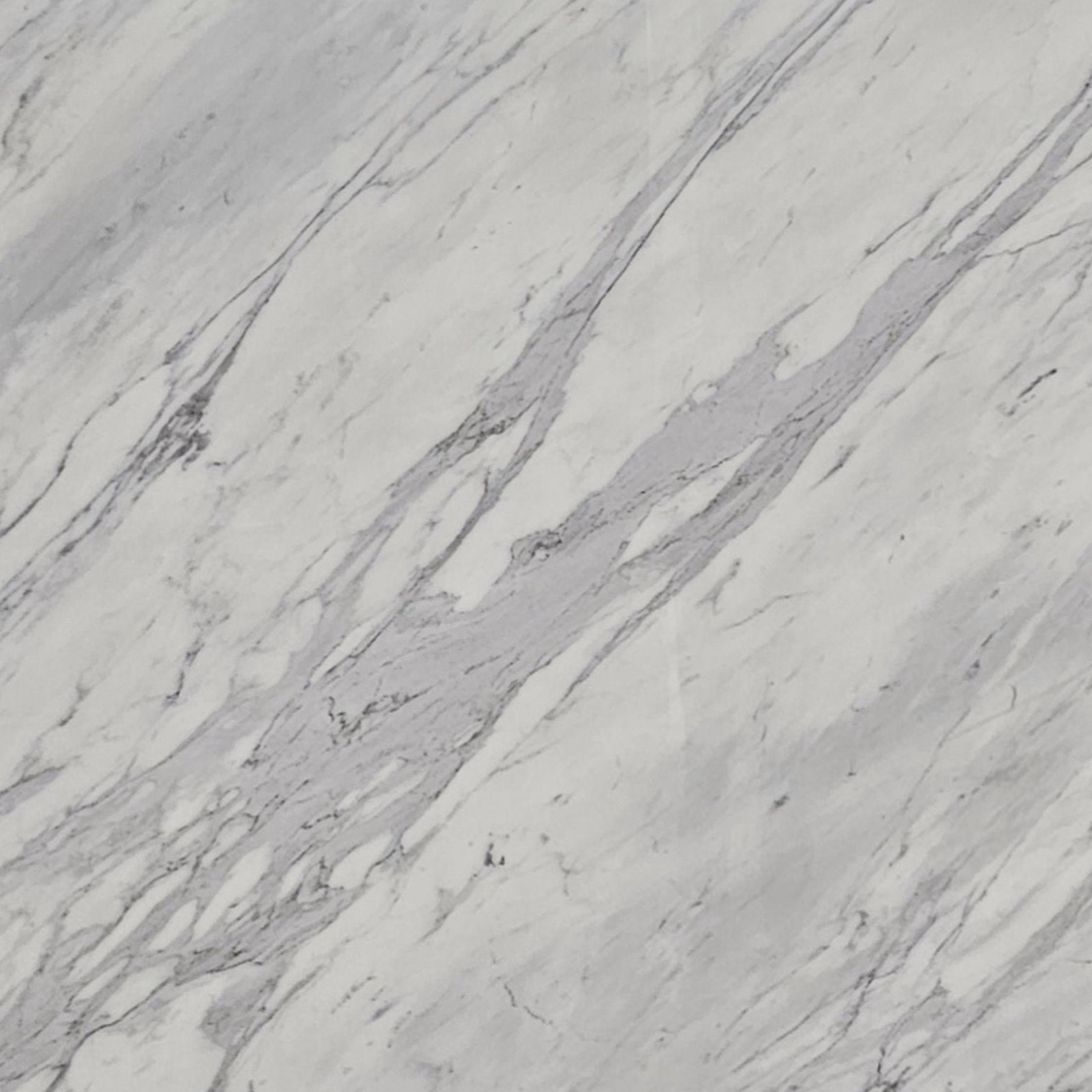
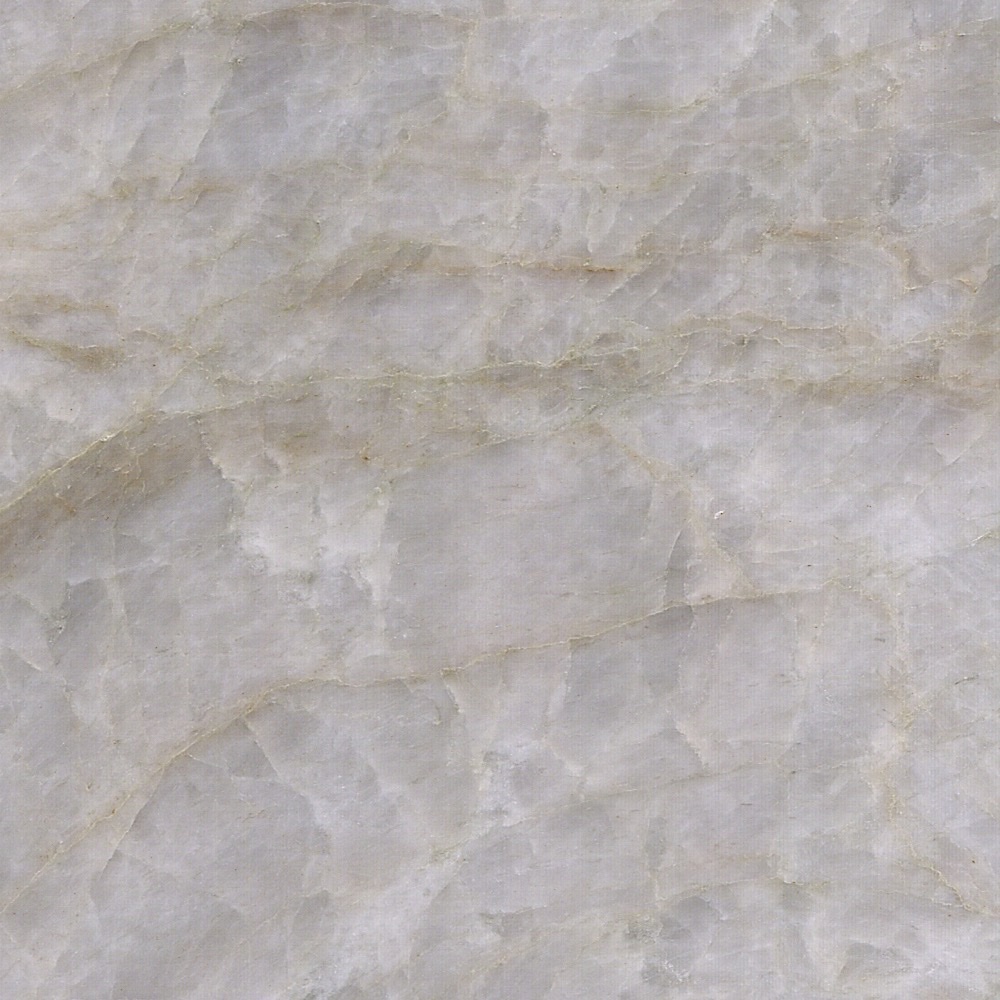
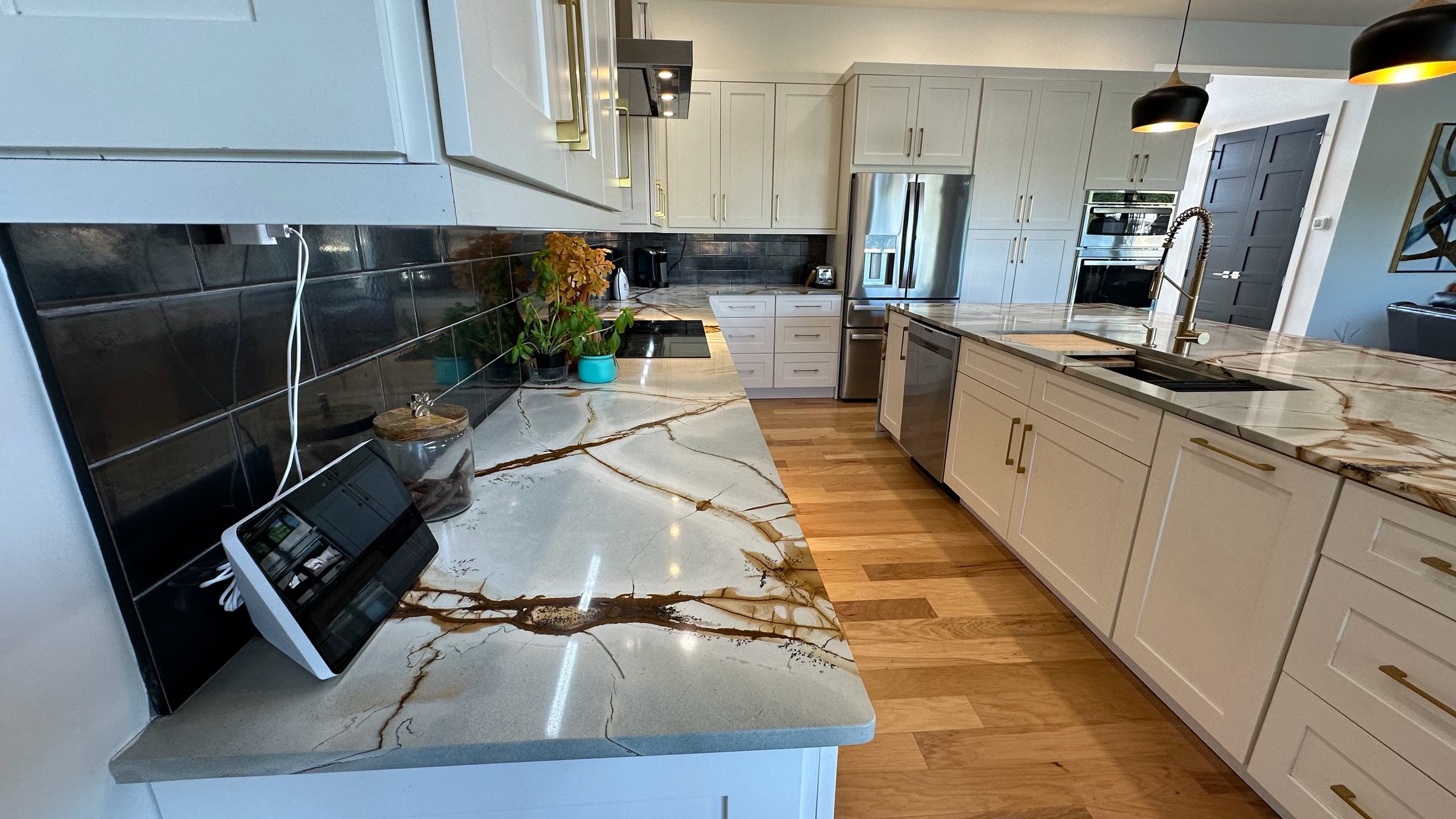
Speckled, flowing, solid-looking, or heavily veined: the pattern you see on the slab is the pattern you get. Seeing the full slab matters more than any small sample.
04
Outdoor suitability
Granite handles sun, heat and rain well, which is why it’s a common pick for lanai and summer kitchens, though some colors can fade after years of direct sun. Our outdoor kitchen countertop guide covers finishes and overhangs.
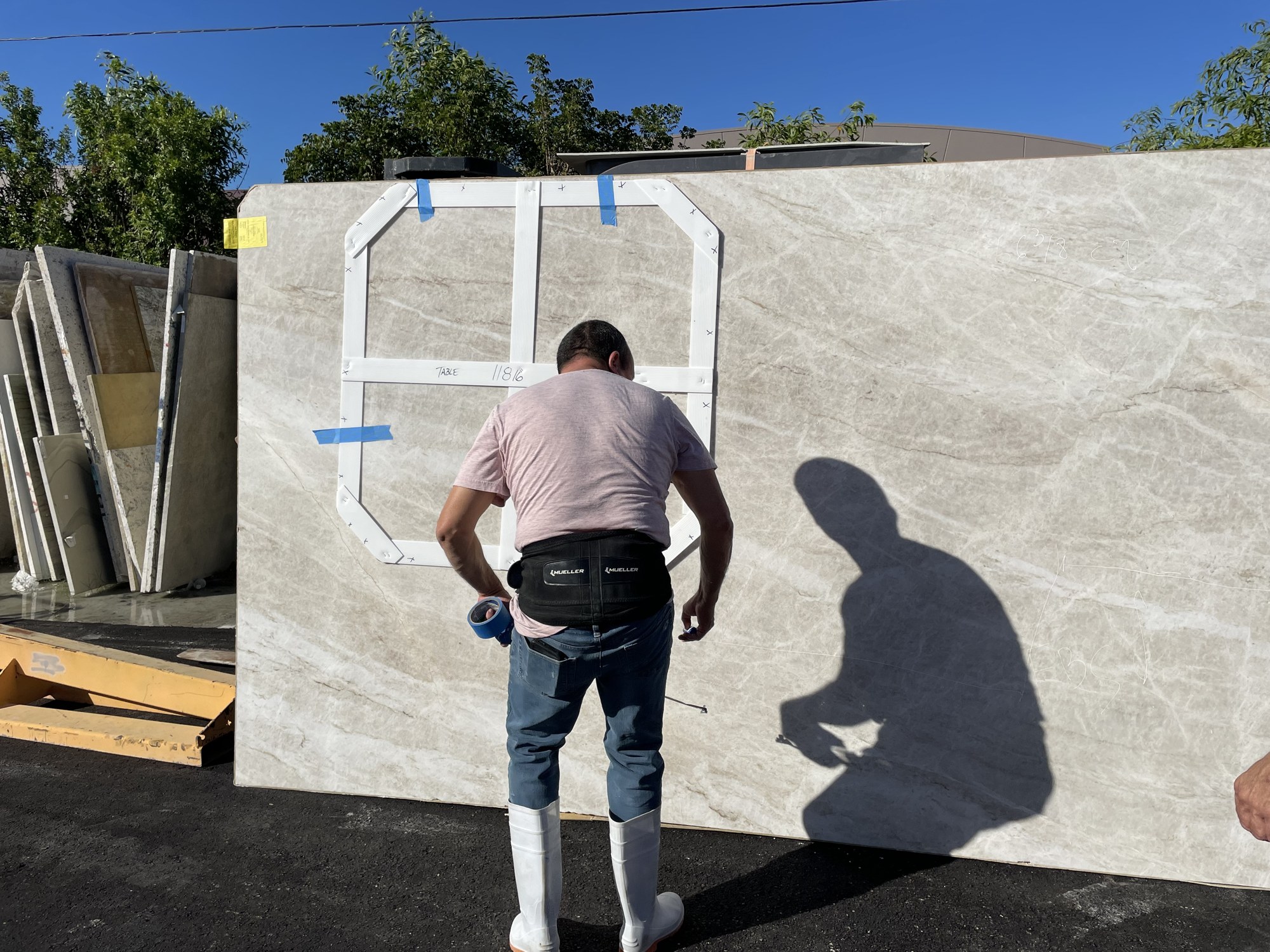
Slab yard · Fort Myers
Selection
Choosing a Granite Slab
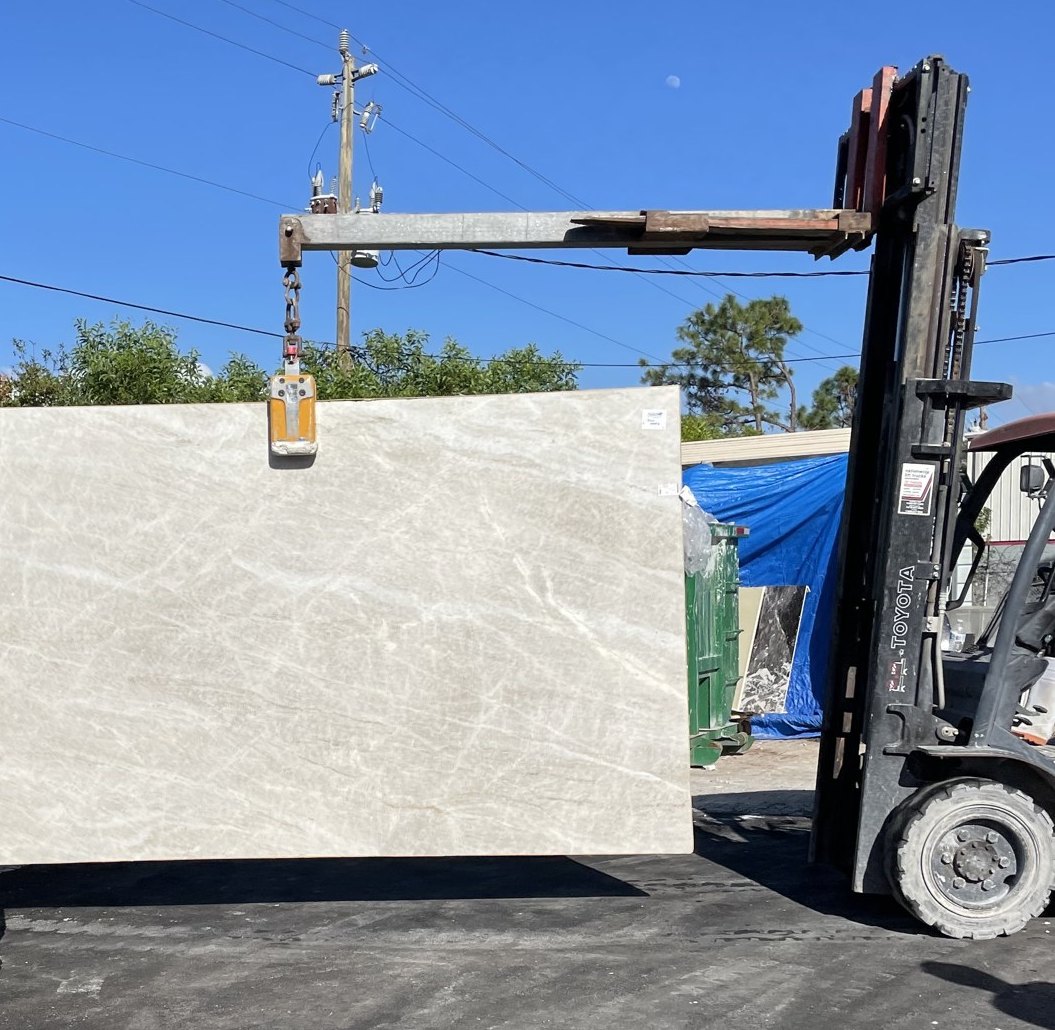
Color names only tell part of the story. Two slabs sold under the same name can differ in density of pattern, background tone and movement. When you walk the slab selection, look at the whole slab, check it under the showroom lighting and then in daylight if you can, and ask how the pattern will fall across your island or longest run.
Our color and slab guide explains how to read a slab before you commit, and the project gallery shows finished granite installs. If you’re replacing existing tops, bring a cabinet photo and your sink or cooktop model, since cutouts and seam locations shape the layout. Our kitchen countertop planning page covers islands, overhangs and backsplashes in more detail.
Care
Caring for Granite
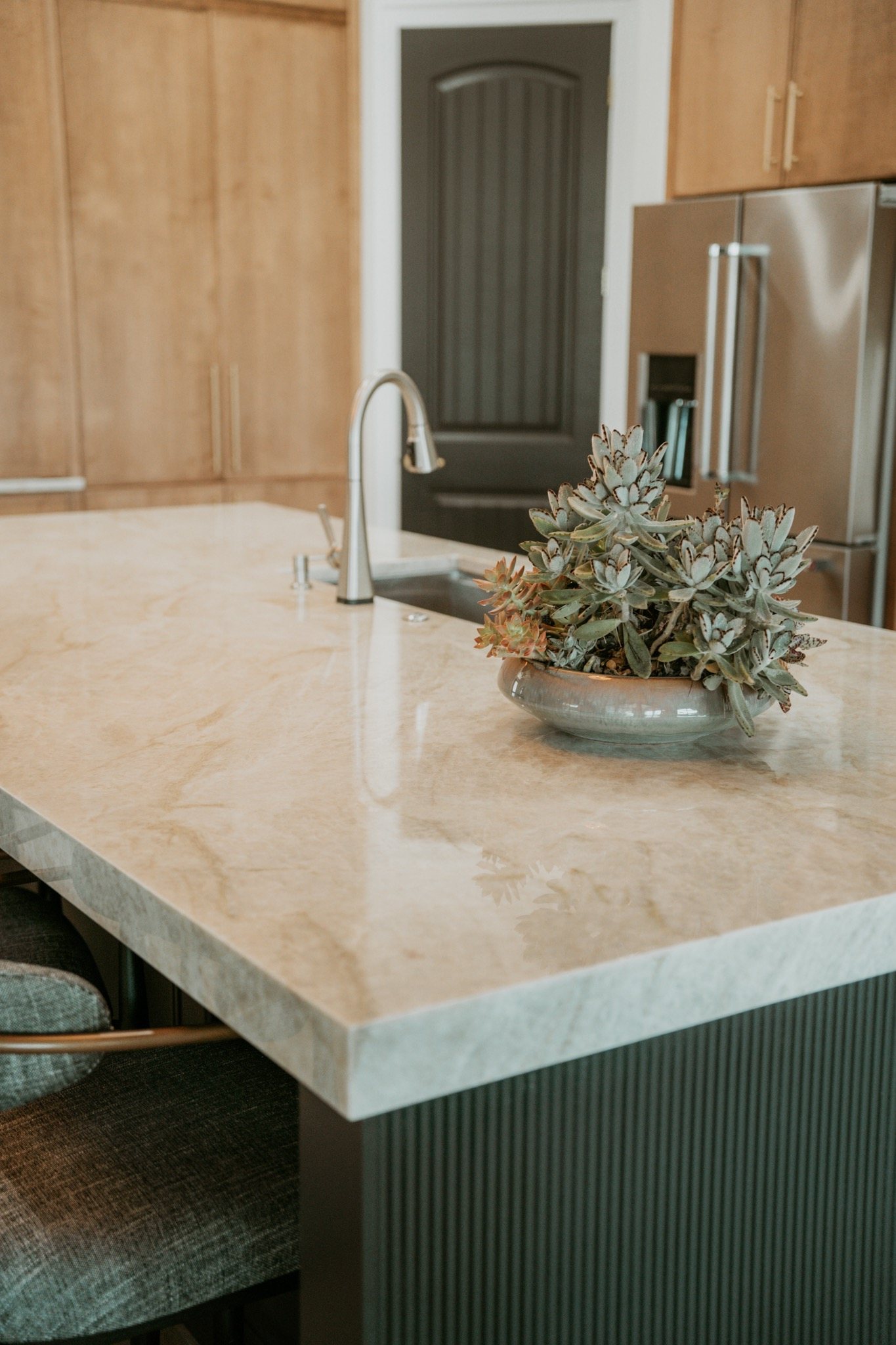
Polished edge detail
Most granite is porous to a degree, so it benefits from sealing on a periodic schedule. A simple test: drop a little water on the surface. If it darkens and soaks in after a few minutes, it’s time to reseal. Denser stones may need it less often.
For daily cleaning, use warm water and a pH-neutral stone cleaner. Skip harsh, acidic or bleach-based products. Wipe up oil, wine and coffee soon rather than letting them sit. If a stain or dull spot does appear, or a seam needs attention, see our countertop repair page for what we can assess.
Alternatives
Granite or Something Else?
Choosing between materials is mostly a question of look and upkeep. If you want a low-maintenance, uniform surface that never needs sealing, take a look at quartz. If you want softer, flowing veining with a similar hardness to granite, quartzite is worth a visit to the slab yard. Granite sits in the middle: natural, durable and a little more forgiving of everyday life than the more dramatic stones.
Compare materials
How granite compares with the other four.
How the five compare on heat, scratches, stains and sealing. See the slabs side by side at our Fort Myers showroom.
Granite
This page
Heat
High
Scratch
High
Stain
Medium
Sealing
Every 1–3 years
- High
- Medium
- Low
Questions
Granite Countertop FAQs
Another question about granite? Call the showroom and talk to someone who works with the stone every day.
Which is better, quartz or granite?
Neither wins across the board. Granite is natural, heat-tolerant and suits outdoor use, but it needs periodic sealing. Quartz is engineered, non-porous and consistent in color, but it isn’t an outdoor default. We’ll compare real slabs of both with you at the showroom so the choice fits your kitchen.
What should I avoid with granite countertops?
Avoid harsh, acidic or bleach-based cleaners, letting spills sit, and cutting directly on the surface. Don’t sit or stand on long overhangs, which can crack stone. Skipping sealing is the other common mistake, since unsealed granite can absorb oil and drink stains over time.
Should you use Clorox wipes on granite?
We recommend against it. Bleach-based and disinfecting wipes can wear down the sealer over repeated use and may dull the finish. Warm water with a pH-neutral stone cleaner handles daily cleaning, and a stone-safe disinfectant is fine when you need one.
How can you tell if granite is good quality?
Look at the whole slab rather than a sample. A good slab has a smooth, even polish, no deep pits or long surface fissures, and a pattern you like across its full length. Ask about thickness and how the slab will be cut for your layout. We’ll walk you through that during selection.
Is granite outdated in 2026?
No. Style has shifted toward quieter, more subtle granites and honed or leathered finishes, but granite remains a practical, widely chosen natural stone. Choosing a slab with calmer movement and a clean edge profile keeps it looking current in a Fort Myers kitchen.
Free estimate
Get a free estimate for your countertops.
Call (239) 362-0404 or request an estimate to see granite slabs in person.