
Unmasking the Mystery: Your Ultimate Guide to Banishing Stains from Granite Bathroom Countertops
Don't let unsightly blemishes mar the beauty of your granite bathroom surfaces. Discover expert techniques and professional secrets to effectively remove stubborn stains, restoring your vanity and shower walls to their pristine, luxurious glory.
Unmasking the Mystery: Your Ultimate Guide to Banishing Stains from Granite Bathroom Countertops
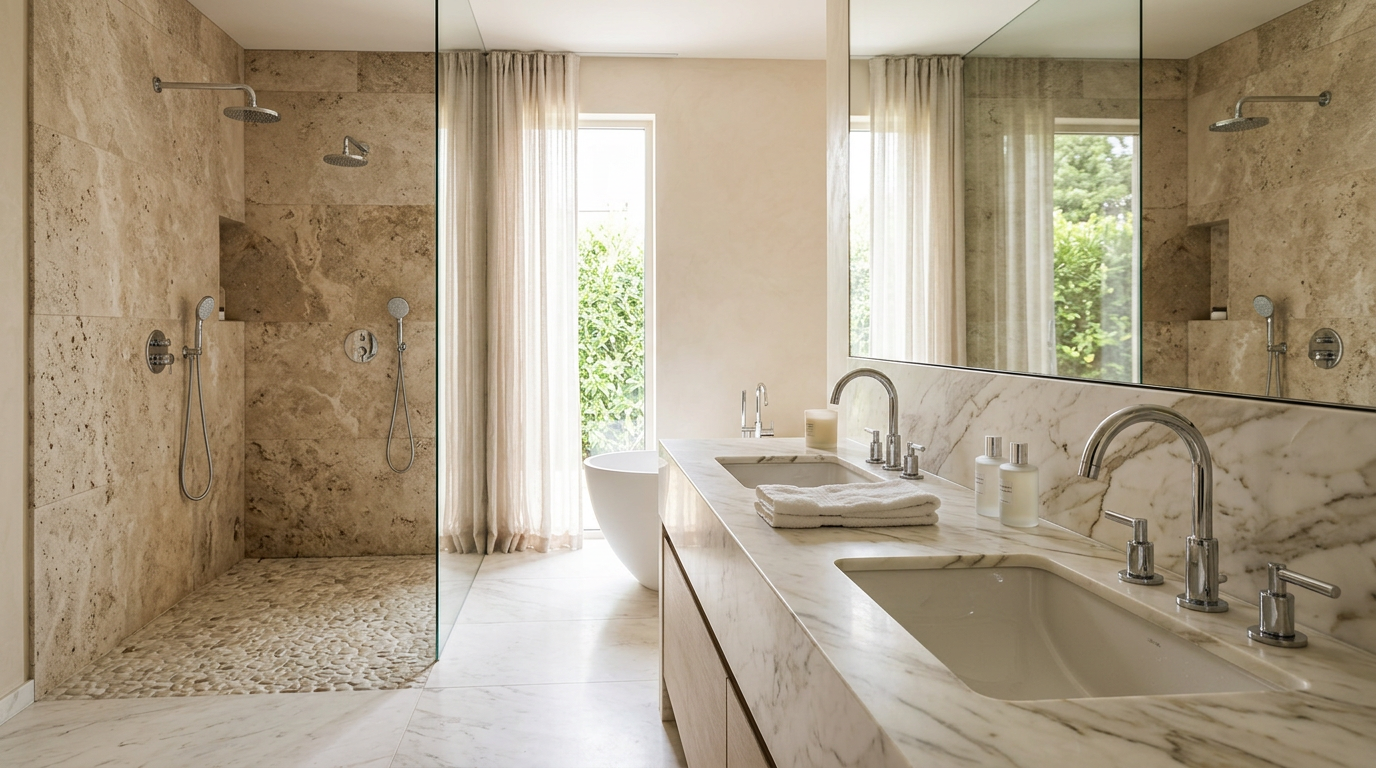
Your bathroom, particularly in a region like Southwest Florida, is more than just a functional space; it's a sanctuary, a personal spa where you begin and end your day. And at the heart of this luxurious retreat often lies the enduring elegance of granite. From the stately vanity tops to the sleek shower walls and opulent tub surrounds, granite brings an unparalleled blend of natural beauty, resilience, and sophisticated charm. But even the most robust natural stone can, on occasion, encounter the indignity of a stain. Whether it's a rogue makeup spill, a forgotten coffee ring from your morning routine, or a hard water mark, an unsightly blemish can disrupt the serene aesthetic of your personal oasis. Fear not, discerning homeowner, designer, or architect! This comprehensive guide will demystify the process of granite stain removal, empowering you to maintain the flawless beauty of your bathroom surfaces and ensure they continue to exude timeless luxury for years to come.
Understanding Granite's Resilience: Why Stains Happen and How to Prevent Them
Granite is renowned for its durability and inherent resistance to scratches and heat, making it an ideal choice for the high-traffic, moisture-rich environment of a bathroom. Its dense, crystalline structure contributes significantly to its longevity and aesthetic appeal. However, granite is a porous natural stone, meaning it has microscopic capillaries that can absorb liquids. While sealing your granite regularly (a crucial step, especially in humid climates like Southwest Florida) significantly reduces its absorbency, prolonged exposure to certain substances can still lead to staining.
In a bathroom setting, common culprits include:
- Oil-based stains: Makeup, lotions, cooking oils (if used in bathroom, for instance, for hair treatments).
- Organic stains: Coffee, tea, specific botanical dyes in soaps or bath bombs.
- Water spots/hard water stains: Mineral deposits from tap water, especially prevalent in areas with hard water.
- Biological stains: Mildew, mold (less common on properly sealed granite but can occur in grout lines or unsealed areas).
- Ink stains: From pens or markers.
The key to prevention lies in prompt cleanup and consistent maintenance. Always wipe up spills immediately. Use coasters under toiletries or anything that might leave a ring. And perhaps most importantly, ensure your granite is properly sealed by a professional, and re-seal it as recommended, typically every 1-3 years depending on usage and sealant quality. This proactive approach is your first and best line of defense against stubborn stains, preserving the moisture resistance and pristine appearance of your bathroom vanity, shower walls, and tub surrounds.
The Art of Stain Removal: Targeted Solutions for Common Culprits
Successfully removing a stain from granite hinges on accurately identifying the stain type. Different stains require different approaches. Before attempting any stain removal, always test the solution on an inconspicuous area of your granite to ensure it doesn't cause discoloration or damage.
1. Oil-Based Stains (Makeup, Lotions, Cooking Oil):
These stains darken the stone. The goal is to draw the oil out.
- Method: Create a poultice. Mix an absorbent material (like baking soda, diatomaceous earth, or talcum powder) with a solvent (like acetone or mineral spirits) to form a thick paste, roughly the consistency of peanut butter.
- Application: Apply a generous layer of the poultice (about ¼ to ½ inch thick) over the stain. Cover it with plastic wrap and tape the edges to seal it. Let it sit for 24-48 hours. The solvent will break down the oil, and the absorbent material will draw it out as it dries.
- Removal: Once dry, scrape off the hardened poultice with a plastic scraper. Rinse the area with clean water and dry thoroughly. Multiple applications might be necessary for deep stains.
2. Organic Stains (Coffee, Tea, Food, Mildew):
These stains are often brownish or reddish.
- Method: Use a poultice made with hydrogen peroxide (household strength, 3-6%) and an absorbent material. For mold or mildew, you can also use a diluted bleach solution (1 part bleach to 1 part water) as a poultice, but exercise extreme caution, especially on darker granites, and rinse thoroughly.
- Application & Removal: Follow the same poultice application and removal steps as for oil-based stains. Hydrogen peroxide is an excellent bleaching agent and safe for most granites.
3. Water Spots & Hard Water Stains:
Common in bathrooms, these leave a white, crusty residue.
- Method: Mix baking soda with a few drops of water to create a thick paste. Alternatively, use a commercially available stone cleaner designed to remove hard water deposits.
- Application: Gently rub the paste onto the stain with a soft cloth or sponge. For stubborn spots, let the paste sit for 10-15 minutes.
- Removal: Rinse thoroughly with clean water and dry with a microfiber cloth to prevent new water spots. For persistent rings, a very fine steel wool (#0000 grade) used with a neutral cleaner can sometimes carefully buff them out, but this should be done with extreme caution to avoid scratching the surface.
4. Ink Stains:
- Method: For fresh ink, try wiping with rubbing alcohol or acetone on a cotton ball. For older, more stubborn ink, a poultice with hydrogen peroxide and an absorbent material might be needed.
- Application & Removal: Apply the chosen solution, let it sit briefly (for fresh ink) or as a poultice (for old ink), then rinse and dry.
Elevating Your Bathroom: Choosing Granite for Unmatched Luxury and Durability
Granite's natural beauty, with its vast array of colors, patterns, and veining, makes it a premier choice for creating a truly luxurious and spa-like bathroom environment. Its inherent moisture resistance, particularly when properly sealed, addresses a primary concern for bathroom surfaces, making it superior to many other materials in humid conditions like those found year-round in Southwest Florida. Imagine stepping into a shower adorned with seamless granite walls, or relaxing beside a tub surround crafted from a stunning slab that echoes the tranquil blues of the Gulf.
Beyond aesthetics, granite offers practical advantages:
- Durability: Resistant to chips, scratches, and heat, ensuring longevity.
- Hygiene: When sealed, its non-porous surface is easy to clean and discourages bacterial growth.
- Value: A timeless material that adds significant value and appeal to your home.
- Versatility: Suitable for vanities, shower walls, tub surrounds, and even flooring accents.
When designing your bathroom, consider how granite can transform the space. A striking granite vanity can be the focal point, while matching shower walls create a cohesive, high-end look. In Southwest Florida, where indoor-outdoor living is paramount, selecting a granite that complements both your interior decor and the natural surroundings can create a harmonious flow. For expert guidance on material choices, design considerations, and professional installation that stands the test of time, we invite you to explore the extensive selection at the HB Marble & Granite showroom. Our specialists are adept at matching your vision with the perfect stone, ensuring your bathroom remains a testament to luxury and enduring quality.
Maintaining Your Granite's Luster: Beyond Stain Removal
While knowing how to remove stains is invaluable, consistent daily and weekly maintenance is paramount to preserving your granite's pristine condition.
- Daily Wipe-Down: Use a soft cloth and a pH-neutral cleaner (specifically formulated for natural stone) or just warm water to wipe down surfaces after use. This prevents soap scum and water spots from building up.
- Avoid Harsh Chemicals: Steer clear of acidic cleaners (vinegar, lemon juice), abrasive cleaners, and general-purpose bathroom cleaners containing bleach, ammonia, or harsh detergents. These can etch the stone or degrade the sealant.
- Reseal Regularly: As mentioned, professional sealing is crucial. In high-humidity environments like Southwest Florida, or for frequently used surfaces, consider re-sealing every 1-2 years. You can perform a simple water test: if water darkens the stone after a few minutes, it's time to reseal.
- Protect Against Impact: While durable, heavy impacts can still chip granite. Be mindful of dropping heavy objects on vanity tops.
By following these guidelines, you not only address existing stains effectively but also proactively safeguard your investment. Your granite bathroom surfaces, from the elegant vanity to the expansive shower walls and inviting tub surround, will continue to embody the luxurious, spa-like atmosphere you desire, reflecting the meticulous care and exquisite taste that defines your home.
Enjoyed this article?
Share it with someone who might find it useful.