
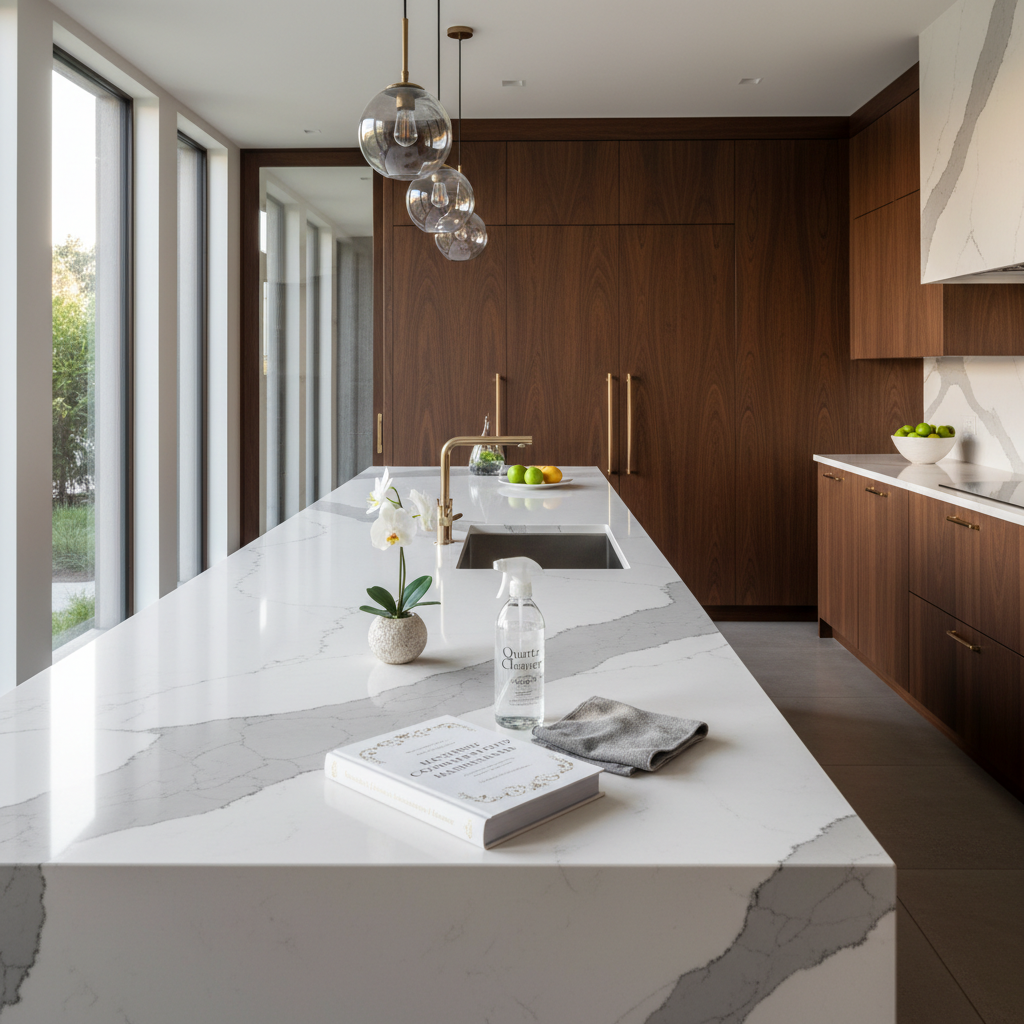
Mastering Quartz Countertop Maintenance: A Guide for Lasting Elegance
Discover the effortless beauty and enduring performance of quartz countertops with our expert guide to maintenance. Learn practical tips and best practices to keep your quartz surfaces pristine, ensuring they remain a stunning focal point in any luxury design for years to come.
Mastering Quartz Countertop Maintenance: A Guide for Lasting Elegance
For discerning homeowners, designers, and architects in Southwest Florida, the choice of countertop material is paramount to both aesthetic appeal and long-term functionality. Among the myriad options, quartz consistently stands out as a preferred selection, particularly for its exceptional durability and low-maintenance profile. Unlike natural stones such as marble or granite, engineered quartz offers a non-porous surface, making it inherently resistant to stains and bacterial growth. However, even the most robust materials benefit from proper care. This comprehensive guide delves into the nuances of quartz countertop maintenance, ensuring your investment retains its pristine beauty and sophisticated charm for decades.
Understanding Quartz: The Foundation of Easy Care
Before delving into specific maintenance routines, it's crucial to understand what makes quartz countertops so resilient. Engineered quartz is composed of approximately 90-95% ground natural quartz minerals, blended with polymeric resins, pigments, and binders. This unique composition results in a remarkably hard, dense, and non-porous surface. The non-porous nature is key to its low-maintenance appeal, as it eliminates the need for sealing – a common requirement for natural stone. This inherent resistance to staining and bacterial absorption makes quartz an ideal choice for high-traffic areas like kitchens and bathrooms, where hygiene and ease of cleaning are paramount.
While quartz is incredibly durable, it's not indestructible. Extreme heat, harsh chemicals, and excessive impact can potentially damage the surface. Therefore, understanding its characteristics is the first step in implementing an effective maintenance strategy that preserves its aesthetic integrity and extends its lifespan.
Daily and Weekly Care: Simple Routines for Enduring Beauty
The beauty of quartz lies in its straightforward maintenance. For most daily spills and general cleaning, a gentle approach is all that's required. Consistency is key to preventing buildup and maintaining that 'like-new' luster.
Daily Cleaning:
- Wipe Up Spills Immediately: Although quartz is stain-resistant, prompt attention to spills, especially those from highly pigmented liquids like red wine, coffee, or dark fruit juices, is always recommended. Use a soft cloth or sponge with warm water and a mild dish soap.
- Gentle Cleaning Solutions: For everyday cleaning, a solution of warm water and a small amount of pH-neutral dish soap (like Dawn or Palmolive) is typically sufficient. Avoid abrasive cleaners, scouring pads, or harsh chemical sprays, as these can dull the surface or leave behind residue.
- Dry Thoroughly: After cleaning, always wipe the surface dry with a clean, soft cloth. This prevents water spots and streaks, especially in areas with hard water.
Weekly Cleaning:
- All-Purpose Cleaner (pH-Neutral): For a more thorough weekly clean, you can use a commercially available pH-neutral, non-abrasive household cleaner specifically designed for countertops. Always test any new cleaner in an inconspicuous area first to ensure it doesn't cause discoloration or damage.
- Focus on High-Use Areas: Pay extra attention to areas around sinks, cooktops, and food preparation zones, where grease and food splatter are more common. A gentle scrub with a soft brush can help dislodge stubborn grime.
Tackling Tougher Stains and Accidental Damage
Despite its resilience, accidents can happen. Fortunately, most common issues with quartz countertops can be addressed with appropriate techniques. The key is to act quickly and use the right method.
Removing Stubborn Stains:
- Dried Food or Grease: For dried food particles or caked-on grease, gently scrape away the excess with a plastic putty knife or a non-abrasive scraper. Follow with a damp cloth and mild soap. For very stubborn grease, a degreaser specifically formulated for quartz (always check labels) can be used sparingly, followed by thorough rinsing.
- Permanent Marker or Ink: For ink, permanent marker, or paint, a small amount of rubbing alcohol (isopropyl alcohol) applied to a soft cloth can often remove the stain. Blot the area rather than rubbing vigorously. Immediately rinse the area with water and mild soap.
- Nail Polish: Non-acetone nail polish remover can be used carefully to remove nail polish. Apply to a cloth, blot the stain, and then rinse thoroughly with water and soap.
Preventing and Addressing Damage:
- Heat Protection: While quartz is heat-resistant, sudden and extreme temperature changes can cause thermal shock, leading to cracking. Always use trivets or hot pads under hot pots, pans, and heat-generating appliances like slow cookers and electric griddles. Never place hot items directly on the quartz surface.
- Cutting Boards: Although quartz is scratch-resistant, it's not scratch-proof. Repeated cutting directly on the surface can dull knives and potentially leave faint marks over time. Always use a cutting board to protect both your countertops and your cutlery.
- Impact: Avoid dropping heavy objects on your quartz countertops, as this can cause chips or cracks, particularly near edges. While minor chips can sometimes be repaired by professionals, prevention is always the best approach.
- Chemical Exposure: Steer clear of harsh chemicals such as oven cleaners, drain cleaners, paint strippers, strong acids (like hydrofluoric acid), and highly alkaline solutions. These can etch or discolor the resin binders in the quartz, causing irreversible damage. If accidental contact occurs, immediately flush the area with copious amounts of water.
Long-Term Preservation: Tips for Lasting Brilliance
Beyond daily and weekly cleaning, a few additional practices can contribute significantly to the long-term preservation of your quartz countertops, ensuring they remain a testament to luxury and sophistication.
- Avoid Excessive Weight: While quartz is strong, avoid placing extremely heavy loads on unsupported areas, especially over extended periods. This is more of a structural consideration for the cabinetry beneath, but it's good practice to distribute weight evenly.
- Professional Cleaning (Optional): For homeowners who desire an occasional deep clean or wish to address specific issues, professional quartz cleaning services are available. These specialists use equipment and solutions designed to restore and protect the surface without causing damage.
- Review Manufacturer Guidelines: Always consult the specific care and maintenance guidelines provided by your quartz manufacturer. While general principles apply, slight variations in resin composition or manufacturing processes might lead to specific recommendations for optimal care.
By adhering to these simple yet effective maintenance practices, your quartz countertops will continue to exude timeless elegance and provide unparalleled performance. Their inherent durability, combined with your diligent care, ensures that these stunning surfaces remain a cherished and functional element of your luxury space for many years, reflecting the quality and sophistication synonymous with Southwest Florida's premier homes and commercial establishments.
Enjoyed this article?
Share it with someone who might find it useful.